
PHP in mental health stands for Positive Psychology. It focuses on strengths and well-being.
This field studies what makes life worth living. Positive Psychology (PHP) aims to enhance happiness and life satisfaction. It investigates how to boost mental health by focusing on positive experiences and traits. Unlike traditional psychology, which often focuses on mental illness, PHP promotes a balanced approach.
It helps people build resilience, hope, and optimism. Understanding PHP can be a game-changer for anyone looking to improve their mental health. Dive into PHP to discover how positivity can transform your life.
Introduction To Php In Mental Health
PHP in mental health is an important topic for many people today. PHP stands for Partial Hospitalization Program. It provides intensive mental health care without needing overnight stays. People can go to therapy sessions during the day and return home at night.
Origins Of Php
The concept of PHP began in the mid-20th century. Mental health professionals wanted to offer more flexible care options. They needed something between inpatient and outpatient care. PHPs were created to fill this gap.
Hospitals first used PHPs for patients leaving inpatient care. They helped people transition back to daily life. Over time, PHPs expanded. Now, they help people avoid hospitalization altogether.
Purpose And Goals
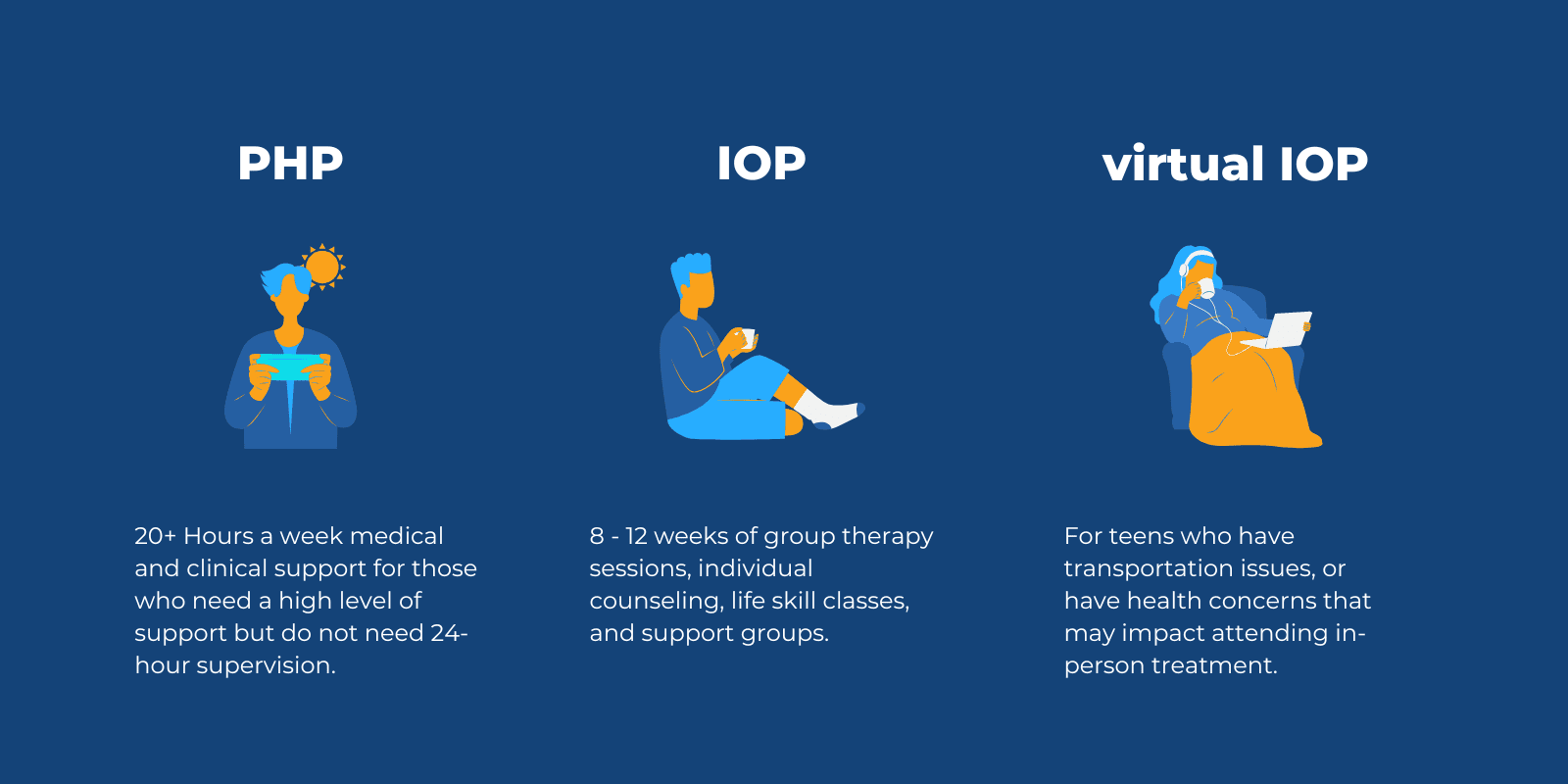
The main goal of PHPs is to provide intensive care. This care helps people avoid full hospitalization. PHPs offer structured programs. These programs include therapy, medication management, and skill-building activities.
PHPs focus on short-term treatment. They aim to stabilize individuals quickly. The goal is to help people return to normal life. PHPs also provide support during crises. They offer a safe place for people to receive help.
| Aspect | Details |
|---|---|
| Therapy | Group and individual sessions |
| Medication Management | Regular check-ups with doctors |
| Skill-Building | Activities to improve daily living skills |
PHPs offer many benefits. They provide intensive care in a less restrictive environment. This balance helps people feel more comfortable. PHPs also allow individuals to stay connected with their support networks. This connection can speed up recovery.
PHPs are vital for mental health care. They offer a middle ground between inpatient and outpatient services. This flexibility makes them a valuable resource for many people.
Core Components Of Php
Core components of PHP in mental health are essential for effective therapy. These components provide a framework for understanding and treating mental health issues. They include therapeutic techniques and assessment tools that help professionals deliver personalized care.
Therapeutic Techniques
Therapeutic techniques in PHP help clients manage their mental health. Techniques such as cognitive-behavioral therapy (CBT) and dialectical behavior therapy (DBT) are common. They focus on changing negative thought patterns. These techniques teach coping strategies to handle stress and emotional challenges. They also promote positive behavior changes.
Assessment Tools
Assessment tools are vital in PHP for evaluating a client’s mental health. These tools include questionnaires and interviews. They help in understanding the client’s condition and progress. Tools like the Beck Depression Inventory (BDI) measure the severity of depression. The Generalized Anxiety Disorder 7 (GAD-7) scale assesses anxiety levels. These assessments guide the treatment plan and track improvements over time.
Benefits Of Php Programs
PHP programs, or Partial Hospitalization Programs, offer several key benefits for mental health patients. They provide intensive care without full-time hospitalization. This balance is crucial for many individuals. Let’s explore two main benefits: patient outcomes and cost-effectiveness.
Patient Outcomes
PHP programs greatly improve patient outcomes. They offer structured support. Patients receive daily therapy sessions. This consistent treatment leads to better mental health. Patients also learn coping skills. These skills help them in their daily lives. The support system in PHP is strong. Patients feel less alone. Family involvement is encouraged. This strengthens the recovery process. PHP programs also reduce the risk of relapse. Regular monitoring catches issues early. This means prompt intervention. Overall, patients in PHP programs see significant improvement.
Cost-effectiveness
Cost-effectiveness is another benefit of PHP programs. They are less expensive than full-time hospitalization. Patients get intensive care at a lower cost. Insurance often covers PHP programs. This makes them accessible. Families save on medical bills. PHP programs also reduce emergency room visits. Patients are closely monitored. Issues are addressed before they escalate. This proactive approach saves money. Employers also benefit. Employees in PHP programs recover faster. They return to work sooner. This reduces productivity loss. In summary, PHP programs are a cost-effective solution for mental health care.

Php Vs. Other Treatment Models
Partial Hospitalization Programs (PHP) offer a structured treatment option for individuals with mental health issues. They provide intensive care without requiring an overnight stay. PHP fits between inpatient care and outpatient therapy. Understanding how PHP compares to these other treatment models helps determine the best care for each individual.
Inpatient Care
Inpatient care involves staying at a facility 24/7 for a set period. It’s suitable for severe cases where constant supervision is necessary. Patients receive round-the-clock medical support. This model ensures immediate help in crisis situations. It provides a highly structured environment.
PHP, on the other hand, allows patients to return home after daily treatment sessions. This offers flexibility and a sense of normalcy. PHP provides intensive care similar to inpatient care but without the need for overnight stays. It bridges the gap between the two extremes of care.
Outpatient Therapy
Outpatient therapy involves regular visits to a therapist or counselor. Patients live at home and continue with their daily routines. This model works well for mild to moderate mental health issues. It offers flexibility and is less intensive than PHP.
PHP is more structured than outpatient therapy. It involves more frequent and longer sessions. This provides a higher level of support and monitoring. Patients in PHP receive a comprehensive treatment plan, including group therapy, individual therapy, and medication management. This makes PHP a more suitable option for those needing more intensive care than outpatient therapy can provide.
Php For Different Mental Health Conditions
PHP, or Partial Hospitalization Program, offers intensive treatment for various mental health conditions. It provides structured support and therapy while allowing patients to live at home. PHP serves as a bridge between inpatient care and outpatient therapy. It is suitable for many mental health conditions, including depression and anxiety disorders.
Depression
Depression impacts daily life, making even simple tasks hard. PHP offers a structured environment to help manage depression. Therapy sessions and medication management form the core of PHP. Patients receive daily support to improve their mood and function.
Group therapy sessions provide a sense of community. Patients share experiences and learn coping strategies. Individual therapy addresses personal struggles. The goal is to reduce symptoms and teach skills for long-term recovery.
Anxiety Disorders
Anxiety disorders include generalized anxiety, panic disorder, and social anxiety. PHP provides an intensive approach to treat these conditions. Patients engage in daily therapy and activities designed to reduce anxiety.
Therapists use evidence-based techniques like Cognitive Behavioral Therapy (CBT). These techniques help patients understand and change their thought patterns. Relaxation exercises and coping strategies are also part of the program. The structured environment helps patients practice new skills in a supportive setting.

Challenges In Php Implementation
Implementing PHP in mental health services faces several challenges. Despite its potential benefits, there are significant hurdles that need addressing to ensure its success.
Funding Issues
Securing adequate funding for PHP programs is a primary challenge. Mental health services often receive limited financial support. This lack of funds can hinder the establishment and maintenance of PHP programs.
Without proper funding, it’s difficult to cover costs related to:
- Staff salaries
- Facilities
- Resources and materials
Consistent funding is crucial. It ensures the continuity and quality of PHP services.
Staff Training
Effective PHP implementation requires well-trained staff. Proper training is essential for delivering high-quality care. Staff must be knowledgeable about:
- PHP protocols
- Patient care techniques
- Mental health assessments
Ongoing training is necessary. It keeps staff updated on the latest practices and standards in mental health care. Without continuous training, the quality of care can decline. This can lead to negative outcomes for patients.
Success Stories And Case Studies
Success stories and case studies highlight the impact of PHP (Partial Hospitalization Program) in mental health. They provide real-life examples and data to show how PHP has helped patients. These stories give hope and encouragement to those considering PHP for their mental health needs.
Patient Testimonials
Many patients have shared their positive experiences with PHP. One patient, Jane, felt isolated before joining the program. She struggled with depression and anxiety. After participating in PHP, Jane noticed significant improvements. She felt supported and understood. Her mental health improved, and she regained her confidence.
Another patient, Mark, faced severe panic attacks. He found it hard to leave his house. PHP gave him the tools to manage his anxiety. He learned coping strategies and received group support. Mark now leads a more fulfilling life.
Clinical Research
Clinical research supports the effectiveness of PHP in mental health treatment. Studies show that PHP can reduce symptoms of depression and anxiety. One study involved 100 patients with severe mental health issues. After six months in PHP, 80% of them reported improvement. Their symptoms were less severe, and they felt more capable of managing daily tasks.
Another study focused on patients with bipolar disorder. Researchers found that PHP helped stabilize their mood swings. The program provided a structured environment. Patients received therapy and medication management. Results showed a 70% decrease in hospital readmissions.
These studies highlight the benefits of PHP. They show that it can be an effective treatment option for many patients. The success stories and research data provide valuable insights. They demonstrate how PHP can make a difference in mental health treatment.
Future Of Php In Mental Health
The future of PHP in mental health holds promising advancements. With rapid technological growth, PHP (Psychological Health Programs) will play a crucial role. It will enhance accessibility and the quality of mental health care. This section explores innovative approaches and policy changes shaping this future.
Innovative Approaches
New technologies are transforming mental health care. Virtual reality therapy offers immersive treatment experiences. It helps patients confront and manage their fears. Mobile apps provide mental health support on-the-go. They offer self-help tools and resources. PHP integrates these tools for better patient outcomes.
Artificial intelligence is another innovative approach. AI can analyze patient data to predict mental health issues. This allows for early intervention and personalized treatment plans. AI chatbots provide support and resources 24/7. They can guide patients through mental health exercises. PHP uses AI to improve patient care and accessibility.
Policy Changes
Policy changes are essential for the future of PHP in mental health. Governments are recognizing the importance of mental health care. They are implementing policies to support mental health programs. Funding for mental health research is increasing. This leads to better treatment options and resources.
Telehealth policies are also evolving. These policies allow for remote mental health services. Patients can access care from the comfort of their homes. PHP includes telehealth to reach more patients. These policy changes make mental health care more accessible and effective.
Frequently Asked Questions
What Is Php In Mental Health?
PHP stands for Partial Hospitalization Program. It is a structured mental health treatment program.
How Does Php In Mental Health Work?
PHP offers intensive therapy sessions during the day, allowing patients to return home at night.
Who Can Benefit From Php In Mental Health?
Individuals needing structured support but not 24-hour care. It suits those transitioning from inpatient care.
What Services Are Included In A Php?
PHP includes individual therapy, group therapy, medication management, and skills training. It provides comprehensive support.
How Long Does A Php Treatment Last?
The length varies. It typically lasts several weeks, depending on individual needs and progress.
Conclusion
Php in mental health offers valuable insights. It helps understand thoughts and feelings. By using Php, you can identify patterns. This can lead to better mental health. It provides tools for managing emotions. Simple yet effective. So, consider Php as a useful resource.
It can support your mental well-being. With Php, you gain better self-awareness. This awareness can improve your daily life. Keep exploring and learning. Your mental health journey is important.