

Homework plays a significant role in a student’s life. But how does it affect their mental health?
Homework can be both beneficial and stressful for students. While it helps reinforce learning, it can also cause anxiety and stress. The balance between these outcomes is critical. Too much homework might overwhelm students, leading to negative effects on their mental health.
On the other hand, the right amount can promote learning and self-discipline. In this post, we will explore the various ways homework impacts students’ mental well-being. We’ll look at both the positive and negative effects, providing a balanced view. Understanding this can help in creating a healthier and more productive learning environment. Let’s dive deeper into the connection between homework and mental health.
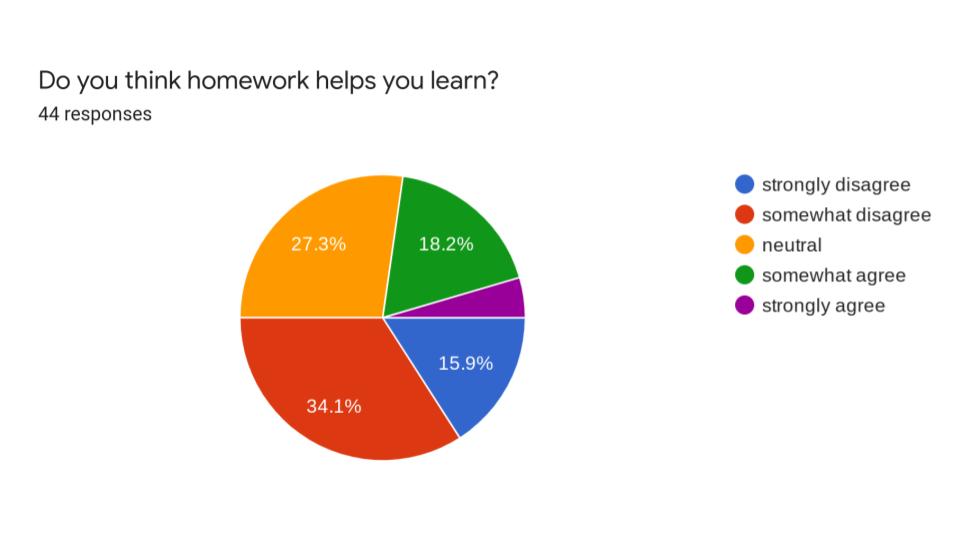
Credit: www.westlionsroar.com
The Role Of Homework In Education
Homework has always been a significant part of the education system. It helps students practice and understand the material taught in class. But, how does it affect their mental health? Let’s explore the role of homework in education to understand its impact better.
Purpose Of Homework
Homework serves several purposes in education. Here are some of the main reasons why teachers assign homework:
- Reinforcement: Homework helps students reinforce what they have learned in class.
- Practice: It allows students to practice skills and concepts.
- Preparation: Homework prepares students for upcoming lessons.
- Responsibility: Completing homework teaches students responsibility and time management.
Each of these purposes plays a crucial role in a student’s academic success. But, it’s essential to balance the benefits with potential stress and anxiety.
Historical Perspective
Homework has been a part of education for centuries. In the early 20th century, it was seen as a way to instill discipline in students. By the mid-20th century, educators began to question the effectiveness of homework. Some believed it caused unnecessary stress. In recent years, the debate continues. Some educators argue that too much homework can harm students’ mental health. Others believe it is essential for academic success. The key is finding a balance that supports learning without overwhelming students.
| Time Period | Homework Perspective |
|---|---|
| Early 20th Century | Instilled discipline, seen as essential. |
| Mid-20th Century | Questioned effectiveness, stress concerns. |
| Recent Years | Debate on balance, mental health impact. |
Understanding the historical perspective helps us see how views on homework have evolved. It also highlights the importance of considering student well-being in educational practices.
Mental Health: An Overview
Mental health is crucial for students’ overall well-being. It affects how they think, feel, and act. Good mental health helps students handle stress, relate to others, and make decisions.
Common Mental Health Issues
Many students face mental health challenges due to homework. Some common issues include:
- Anxiety: Homework can cause students to feel anxious. They may worry about completing assignments on time.
- Depression: Heavy workloads can lead to feelings of sadness and hopelessness. This can affect students’ motivation and energy levels.
- Stress: The pressure to perform well can be overwhelming. Stress can lead to physical symptoms like headaches and sleep problems.
Importance Of Mental Health
Maintaining good mental health is important for students. It helps them succeed in school and in life. Here are a few reasons why:
- Better Academic Performance: Students with good mental health perform better in school. They can focus and learn more effectively.
- Improved Relationships: Good mental health helps students build strong relationships with peers and teachers. They are more likely to engage in positive social interactions.
- Overall Well-Being: Mental health affects physical health. Students with good mental health are less likely to experience physical health problems.
Supporting students’ mental health is essential. It ensures they can cope with the demands of homework and thrive both academically and personally.
Homework-induced Stress
Homework can be a source of stress for many students. Long hours of assignments can affect their mental health. This stress can lead to anxiety and depression. Understanding the sources and signs of stress can help parents and teachers support students better.
Sources Of Stress
There are several sources of homework-induced stress:
- Heavy Workload: Large amounts of homework can overwhelm students.
- Tight Deadlines: Short deadlines add to the pressure.
- Lack of Understanding: Struggling with the material can cause frustration.
- High Expectations: Pressure to achieve high grades can be stressful.
Signs Of Stress In Students
Recognizing the signs of stress in students is crucial:
| Physical Signs | Emotional Signs | Behavioral Signs |
|---|---|---|
| Headaches | Anxiety | Procrastination |
| Stomachaches | Depression | Withdrawal |
| Fatigue | Irritability | Poor Performance |
Parents and teachers should watch for these signs. Early intervention can make a big difference.
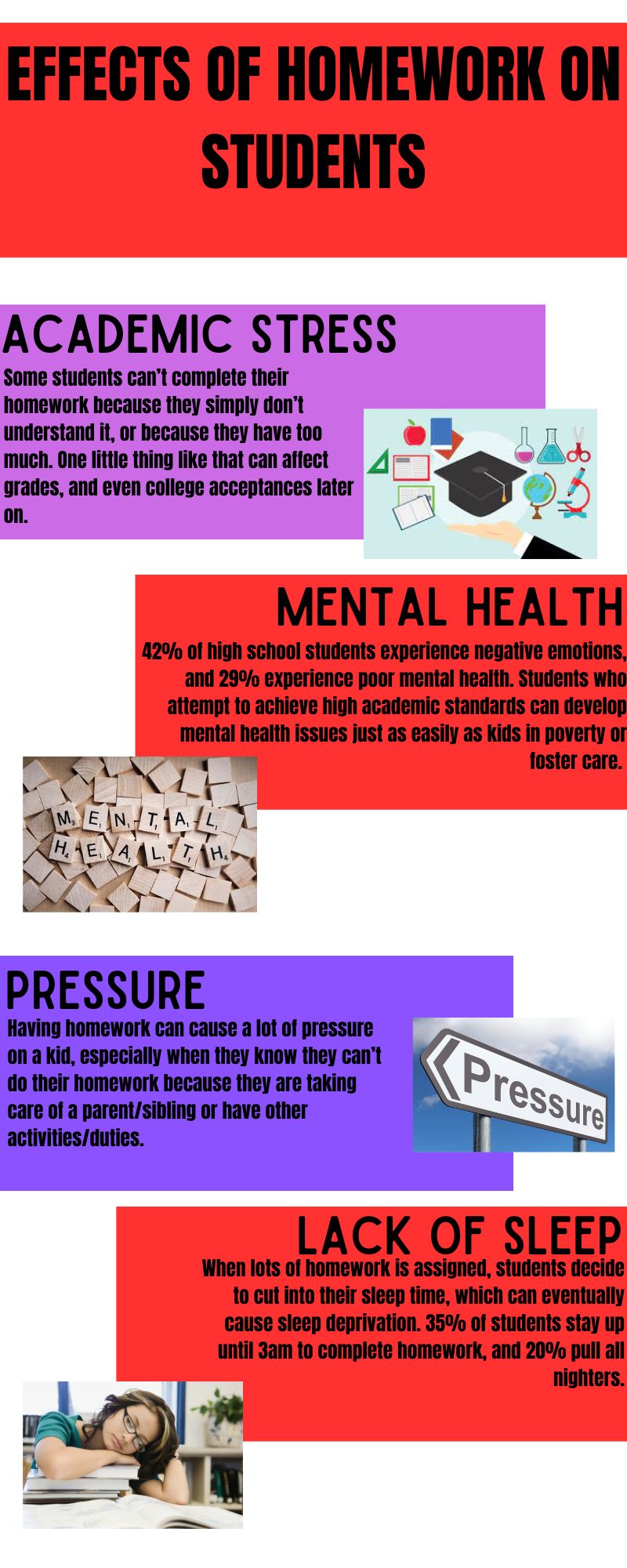
Credit: millardwestcatalyst.com
Impact On Academic Performance
Homework plays a crucial role in a student’s academic journey. It impacts their overall academic performance significantly. The effect can be positive or negative, depending on several factors. Understanding these impacts helps in creating a balanced approach to homework.
Positive Effects
Homework reinforces what students learn in class. It provides extra practice for better understanding. This repetitive practice helps in retaining information longer. It also encourages students to develop good study habits. Completing homework on time teaches responsibility and time management. These skills benefit students throughout their academic life. Another positive effect is the preparation for future lessons. Homework often introduces new topics. This makes students more prepared and confident in class. It fosters independent learning and problem-solving skills. These skills are essential for academic success.
Negative Effects
Excessive homework can lead to stress and burnout. Students may feel overwhelmed with too much work. This can negatively affect their mental health. Stress and anxiety can result in poor academic performance. Instead of learning, students might just complete tasks to avoid penalties. Too much homework can also reduce time for other activities. Physical activities, hobbies, and family time are essential for overall development. Lack of balance can lead to a decline in interest and motivation. This can cause students to lose focus and perform poorly in their studies.
Emotional And Social Implications
Homework plays a significant role in a student’s life. While it aims to reinforce learning, it can also have emotional and social implications. Understanding these effects can help in creating a healthier educational environment for students.
Effects On Self-esteem
Heavy homework loads can negatively impact a student’s self-esteem. Constant pressure to complete assignments can lead to feelings of inadequacy when students struggle to keep up. This can cause them to doubt their abilities and feel less confident in their academic skills. High expectations and the need to achieve perfect scores can also foster an unhealthy perfectionism. Students may begin to equate their self-worth with their academic performance, leading to a cycle of stress and anxiety.
Impact On Peer Relationships
Homework can also affect a student’s social life. When students spend most of their time on schoolwork, they have less time to interact with friends. This can lead to social isolation and loneliness. Furthermore, the competitive nature of academic achievement can strain friendships. Students may feel jealous or resentful if they perceive their peers as more successful. To illustrate the social implications of homework, consider the following points:
- Less time for social activities
- Increased feelings of isolation
- Potential for damaged friendships due to academic competition
In summary, while homework is essential for learning, it’s important to consider its emotional and social implications. Balancing academic demands with the emotional and social needs of students can lead to a healthier, more supportive learning environment.
Balancing Homework And Mental Health
Balancing homework and mental health can be challenging for students. The pressure to complete assignments often leads to stress and anxiety. It’s crucial to find a balance between academic responsibilities and well-being. Here, we discuss some effective strategies to manage time and maintain healthy study habits.
Time Management Strategies
Effective time management can reduce stress. Students should create a homework schedule. Break tasks into smaller steps. Prioritize tasks based on deadlines and importance. Use tools like planners or digital apps to stay organized. Setting specific goals for each study session helps maintain focus. Avoid multitasking as it can decrease efficiency.
Healthy Study Habits
Developing healthy study habits is essential. Find a quiet, comfortable place to study. Take regular breaks to avoid burnout. Maintain a consistent study routine. Use techniques like active learning, which involves summarizing information. Teach the material to someone else. Stay hydrated and eat nutritious snacks. Proper nutrition supports cognitive function.
Parental And Teacher Roles
Parental and Teacher Roles play a crucial part in shaping a student’s mental health, especially regarding homework. Both parents and teachers can create a supportive environment that helps students manage stress better. Understanding their roles and implementing effective strategies can make a significant difference.
Supportive Practices
Parents and teachers must adopt supportive practices to help students cope with homework. These practices include:
- Setting a consistent schedule for homework.
- Providing a quiet and well-lit study area.
- Breaking down larger tasks into smaller, manageable pieces.
- Encouraging regular breaks to prevent burnout.
These practices help students feel more in control. They reduce anxiety and make the homework process less daunting. Consistency and structure can make a big difference.
Communication Strategies
Effective communication between parents, teachers, and students is vital. Here are some strategies to enhance communication:
- Parents should regularly check in with their child about their homework.
- Teachers should provide clear instructions and expectations for assignments.
- Both parents and teachers should be approachable and open to questions.
- Use positive reinforcement to motivate and encourage students.
Good communication can help identify any issues early. It allows for timely support and intervention. This can greatly reduce stress and improve mental health.

Credit: www.thepearlpost.com
Future Directions And Solutions
Homework is a common part of student life. Yet, its impact on mental health is a topic of concern. Finding new ways to handle homework can help reduce stress and promote well-being. Here are some future directions and solutions to consider.
Policy Changes
Schools can update their homework policies to better support students’ mental health. Here are some ideas:
- Set clear limits on the amount of homework assigned.
- Ensure homework is meaningful and not just busy work.
- Provide students with flexible deadlines to manage their time better.
These changes can help students balance school with other activities. They will have time for family, friends, and self-care.
Innovative Approaches
New methods can make homework less stressful and more engaging. Consider the following:
- Project-based learning: Students can work on long-term projects that interest them. This approach can make learning more relevant and enjoyable.
- Flipped classrooms: Students can watch lectures at home and do hands-on activities in class. This method allows for more interactive and collaborative learning.
- Technology integration: Using apps and online resources can make homework more interactive and fun. Students can receive instant feedback and support.
These approaches can help students feel more engaged and less overwhelmed. They encourage active learning and creativity. By implementing these policy changes and innovative approaches, schools can support students’ mental health. They can create a more balanced and enjoyable learning experience for everyone.
Frequently Asked Questions
How Does Homework Affect Students’ Stress Levels?
Homework can increase stress levels. Too much work can overwhelm students, leading to anxiety and burnout.
Can Homework Impact Students’ Sleep Patterns?
Yes, homework can disrupt sleep. Late-night studying can reduce sleep time, affecting overall health and daily function.
Does Homework Influence Students’ Social Life?
Homework can limit social activities. Excessive tasks can reduce time for friends and family, impacting social skills.
How Does Homework Affect Students’ Physical Health?
Sitting for long hours doing homework can cause physical strain. It can lead to back pain and poor posture.
Can Homework Affect Students’ Emotional Well-being?
Yes, homework can affect emotional health. Stress from homework can lead to feelings of frustration and helplessness.
Conclusion
Balancing homework and mental health is crucial for students. Too much homework can lead to stress and anxiety. Students need time to relax and enjoy activities. Teachers and parents should consider the impact of heavy workloads. A balanced approach can help maintain mental well-being.
Proper support and understanding can make a big difference. Encouraging healthy habits will benefit students in the long run. Let’s prioritize mental health alongside academic success.