

What is IOP in mental health? IOP stands for Intensive Outpatient Program.
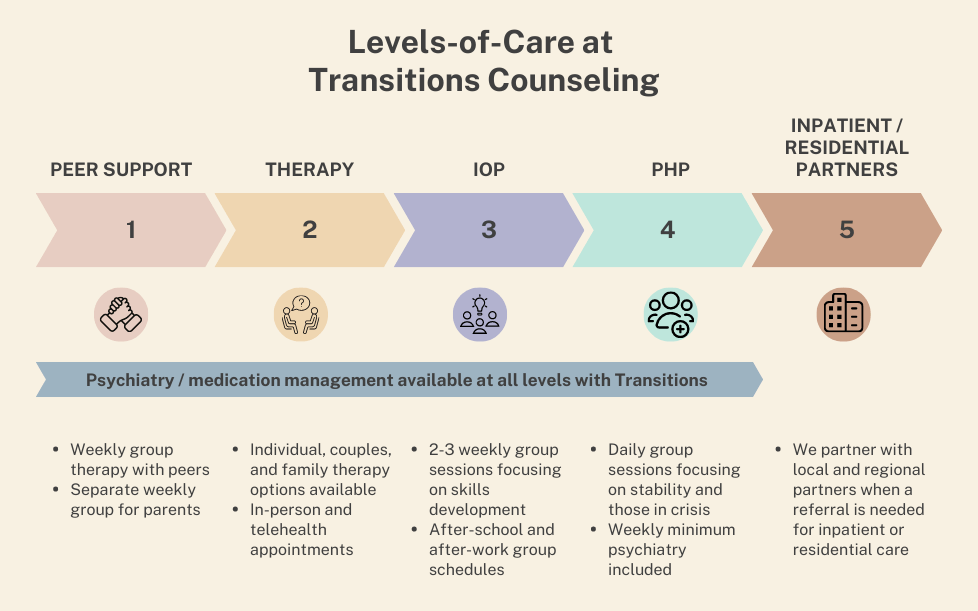
It is a treatment plan for mental health issues. IOP offers a middle ground between inpatient care and standard outpatient therapy. It is designed for individuals who need more support than weekly therapy sessions but do not require 24-hour supervision.
Participants attend therapy sessions several times a week while still living at home. This allows them to continue with their daily responsibilities. IOPs can help people with various mental health conditions, including depression, anxiety, and substance abuse. The goal is to provide intensive treatment while promoting independence. Understanding IOP can help individuals and families make informed decisions about mental health care options.
Benefits Of Iop
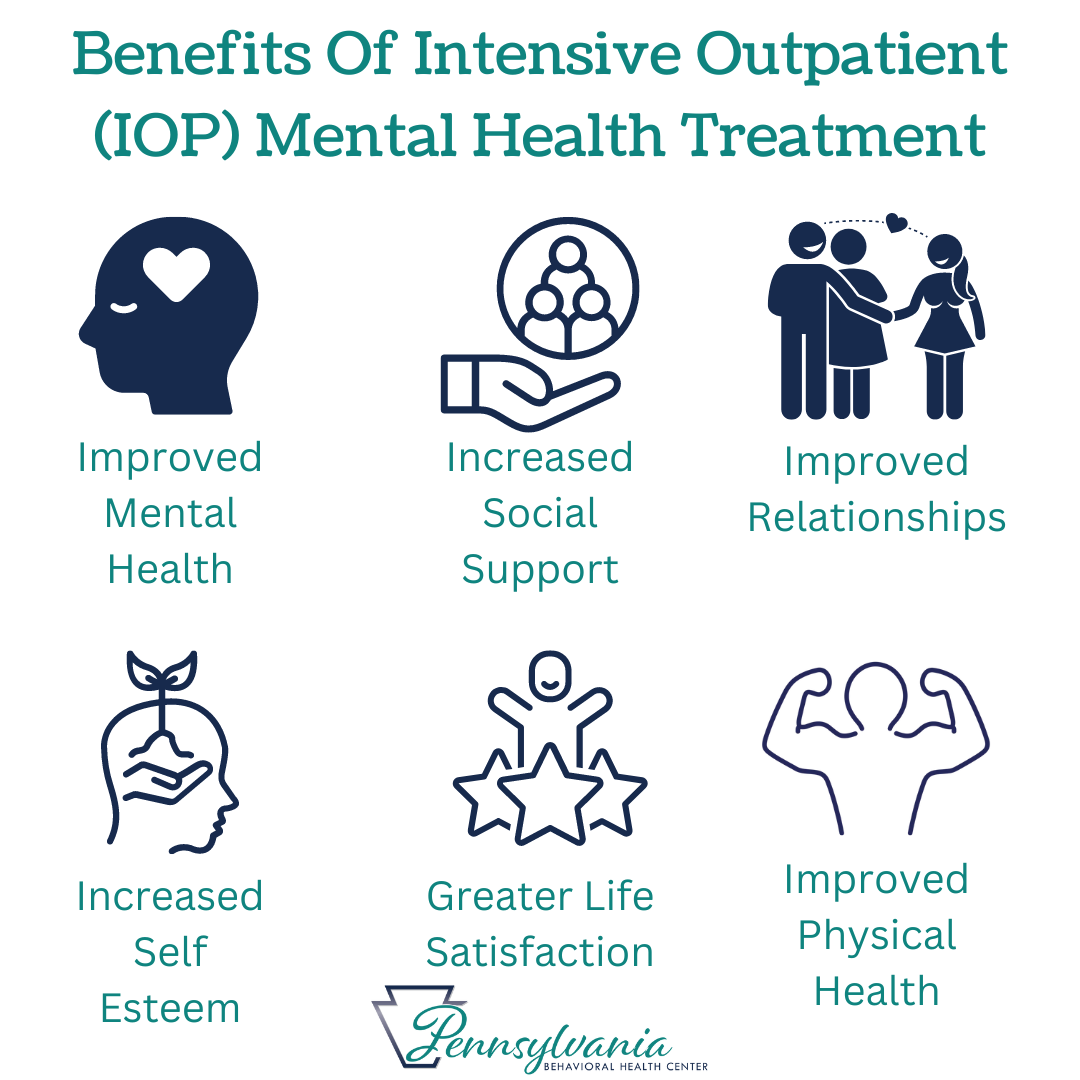
Intensive Outpatient Programs (IOP) offer many benefits to those seeking mental health support. These programs provide structured treatment while allowing individuals to maintain their daily routines. Let’s explore some key advantages of IOP.
Flexibility And Convenience
IOP offers a flexible schedule. People can attend sessions during the day or evening. This allows them to keep up with work, school, or family duties. The convenience of IOP helps reduce stress. It fits easily into busy lives.
Continued Support
IOP provides ongoing support. Individuals can continue receiving therapy and care. This helps maintain progress made during inpatient treatment. Regular check-ins keep individuals on track. They feel supported throughout their recovery journey.
Components Of Iop
Intensive Outpatient Programs (IOP) are a crucial part of mental health treatment. They offer structured support while allowing patients to live at home. Understanding the components of IOP is vital for those considering this option.
Therapeutic Sessions
Therapeutic sessions are a core component of IOP. Patients attend multiple sessions each week. These sessions focus on different aspects of mental health. They help patients develop coping strategies. Therapists use evidence-based techniques. Cognitive Behavioral Therapy (CBT) is a common method. These sessions are tailored to individual needs. The goal is to foster resilience and recovery.
Group Therapy
Group therapy is another key element of IOP. It provides a supportive environment. Patients share their experiences with peers. This helps reduce feelings of isolation. Group therapy sessions are led by trained facilitators. They guide discussions and ensure a safe space. The group setting fosters a sense of community. Patients learn from each other’s experiences. They gain new perspectives on their challenges.
Who Needs Iop
People needing intensive outpatient programs (IOP) are those struggling with mental health issues. IOP provides structured support and therapy without full-time hospitalization.
Intensive Outpatient Programs (IOP) are designed to help individuals who need more support than weekly therapy sessions. These programs offer structured treatment plans. They provide a middle ground between inpatient care and weekly therapy.
Ideal Candidates
Ideal candidates for IOP are those who need more care but do not require 24-hour supervision. This includes people who have completed inpatient programs. It also includes those who need ongoing support. Individuals struggling with substance abuse or mental health disorders can benefit. People with co-occurring disorders are also ideal candidates.
Assessment Process
The assessment process starts with an initial evaluation. Mental health professionals conduct interviews. They review medical histories. They assess the severity of the individual’s condition. This helps in creating a personalized treatment plan. The goal is to ensure the program meets the individual’s needs. Regular assessments continue throughout the treatment. This ensures progress and adjusts the plan as needed. “`
Iop Vs Inpatient Treatment
When seeking mental health treatment, understanding the options is crucial. Intensive Outpatient Programs (IOP) and inpatient treatment are two common choices. Each has unique features, benefits, and drawbacks. It’s important to know the differences to make an informed decision.
Key Differences
IOP allows patients to live at home while receiving treatment. In contrast, inpatient treatment requires staying at a facility. IOP is less intensive than inpatient care. Patients attend therapy sessions several times a week. Inpatient treatment involves 24/7 care and supervision. IOP is suitable for those with mild to moderate symptoms. Inpatient care is better for severe cases.
Pros And Cons
IOP has many benefits. It offers flexibility and allows patients to maintain daily routines. Patients can continue working or attending school. IOP is also less expensive than inpatient treatment. Family support is readily available. On the downside, IOP might not provide enough structure for some patients. Those with severe conditions may require more intensive care.
Inpatient treatment has its advantages too. It provides a controlled environment, reducing external stressors. Patients receive around-the-clock care. This is beneficial for those with severe symptoms or co-occurring disorders. However, inpatient treatment can be costly and disruptive to daily life. Patients must take time off from work or school.
Typical Iop Schedule
A typical Intensive Outpatient Program (IOP) schedule provides structured and supportive care. The schedule is designed to help individuals maintain their daily responsibilities while receiving treatment. Let’s break down what a typical IOP schedule looks like.
Weekly Routine
Most IOPs follow a consistent weekly routine. Here is a general outline:
- Monday to Friday: Sessions usually occur in the mornings or evenings to fit different schedules.
- 3-5 Days Per Week: Participants attend sessions multiple times a week.
- Group Therapy: Group sessions to share experiences and support each other.
- Individual Therapy: One-on-one sessions with a therapist for personalized care.
Duration Of Program
The duration of an IOP can vary based on individual needs. Here are typical time frames:
- 4 to 12 Weeks: Most programs last between 4 to 12 weeks.
- Flexible Duration: The length can be adjusted based on progress and needs.
- Step-Down Approach: Gradual reduction in sessions as progress is made.
IOPs are designed to provide intensive support while allowing participants to live at home and continue with their daily lives. The structure and flexibility of IOPs make them a popular choice for those seeking mental health treatment.
Success Rates Of Iop
Intensive Outpatient Programs (IOP) have gained popularity in mental health treatment. But how effective are they? Understanding the success rates of IOP is essential for those considering this treatment option. Below, we dive into the effectiveness studies and real patient testimonials to give you a clearer picture.
Effectiveness Studies
Studies show that IOPs can be very effective. Research indicates significant improvements in mental health symptoms. Patients often experience reduced anxiety and depression. These programs provide structured support without full hospitalization. This flexibility helps many individuals maintain daily responsibilities. Success rates vary, but most studies report positive outcomes.
Patient Testimonials
Real-life stories from patients highlight the benefits of IOP. Many share how IOP helped them regain control over their lives. One patient mentioned feeling more supported than ever before. Another noted significant improvements in their coping skills. These testimonials offer hope and inspiration. They show that IOP can make a real difference.
Finding An Iop Program
Finding an Intensive Outpatient Program (IOP) in mental health can seem challenging. You want the best care for your needs. But where do you start? Finding the right program involves some research. Below are some steps to help you find the best IOP program.
Locating Providers
Begin your search by using online directories. Many websites list mental health providers. Look for those that offer IOP services. You can also ask your primary care doctor for recommendations. They often know reputable programs. Local hospitals may also provide lists of IOP providers. Community health centers are another valuable resource. They often have connections with various mental health services.
Questions To Ask
When you contact an IOP provider, ask specific questions. Start by asking about their treatment methods. Ensure their approach aligns with your needs. Ask about the qualifications of their staff. Experienced professionals can make a big difference. Inquire about the program’s schedule. Make sure it fits your availability. Ask about the duration of the program. Understanding the commitment required is important. Check if they accept your insurance. This can affect your decision greatly. Finally, ask about follow-up care. Good programs offer support after completion.
Frequently Asked Questions
What Does Iop Stand For In Mental Health?
IOP stands for Intensive Outpatient Program. It’s for treating mental health issues.
Who Can Benefit From An Iop?
People with mental health disorders. Those who need more support than weekly therapy.
How Long Does An Iop Last?
It varies. Usually, it lasts from 8 to 12 weeks.
What Therapies Are Included In An Iop?
Group therapy, individual counseling, and skill-building activities. Tailored to each person’s needs.
Is Iop Covered By Insurance?
Often, yes. Check with your insurance provider for coverage details.
Conclusion
IOP in mental health offers structured support. It helps individuals manage their conditions. Programs run several days a week. Sessions include therapy, group activities, and education. IOP bridges the gap between inpatient and outpatient care. It provides flexibility for daily life.
Personalized plans cater to each person’s needs. Participation can improve coping skills and overall well-being. If you or someone you know needs help, consider IOP. It’s a valuable resource for mental health support.