

Schizoid Personality Disorder often leads individuals to prefer solitude. They usually avoid social interactions and close relationships.
Understanding this disorder helps in recognizing the signs and providing support. People with Schizoid Personality Disorder find comfort in being alone. They might seem detached or uninterested in social bonds. This behavior is not about being shy; it’s a deeper preference for solitude.
Exploring this condition reveals why some people choose isolation over connection. Knowing more about Schizoid Personality Disorder can foster empathy and better communication. Let’s dive into the characteristics and challenges of this unique personality disorder.
Introduction To Personality Disorders
Personality disorders affect the way people think, feel, and behave. These disorders can make daily life challenging. They affect relationships and work. There are different types of personality disorders. Each has its own symptoms and characteristics. Understanding these disorders is important. It helps in recognizing and managing them better.
There are several types of personality disorders. Paranoid personality disorder involves extreme distrust of others. Schizoid personality disorder makes people prefer to be alone. Borderline personality disorder causes intense emotions and unstable relationships. Antisocial personality disorder leads to disregard for others’ feelings. Histrionic personality disorder makes people seek attention constantly. Narcissistic personality disorder involves a high sense of self-importance. Each type affects individuals differently.
Common symptoms include difficulty in relationships and emotional instability. People may feel extremely anxious or paranoid. Some might prefer being alone or isolating themselves. Others may have trouble controlling emotions. Symptoms vary but often disrupt daily life. Knowing these signs can help in getting the right support.
:max_bytes(150000):strip_icc()/How-important-is-alone-time-for-mental-health-5184607-V1-8dd83a7d84e148b68f350178f2082547.png)
Credit: www.verywellmind.com
Avoidant Personality Disorder
Avoidant Personality Disorder makes people feel extremely shy and sensitive to criticism. They often stay away from social situations because they fear judgment or rejection. Many feel they aren’t good enough and have few close friends. Being alone feels safer, and they worry a lot about what others think. Meeting new people can be very stressful for them.
The exact causes of this disorder are unknown. It can run in families. It may be due to genes. Early experiences also play a role. Being bullied as a child can be a factor. Trauma or abuse in early life can contribute. Feeling unwanted by parents may also be a cause. Sometimes, no clear cause is found.
Schizoid Personality Disorder
People with Schizoid Personality Disorder often prefer to be alone. They may seem emotionally cold and avoid close relationships. They do not seek out social activities. Their interests are usually solitary. They may appear to lack empathy. They might not respond to praise or criticism.
Family history can play a role. Having relatives with similar traits increases the risk. Childhood experiences might also affect this disorder. Growing up in an emotionally detached family may contribute. Early trauma or neglect can be factors too. Certain brain chemicals may influence behavior.
Schizotypal Personality Disorder
People with Schizotypal Personality Disorder often prefer to be alone. They may have odd beliefs or magical thinking. This means they may believe in things that are not real. They may also dress or act in a peculiar way. Social interactions can be hard for them. They might feel anxious or uneasy around others. Sometimes, they may have strange speech patterns. Their thoughts may seem disorganized. These signs can make it tough for them to maintain relationships. They often lack close friends.
Several factors can contribute to Schizotypal Personality Disorder. Genetics plays a role. It may run in families. Childhood trauma can also be a cause. This includes neglect or abuse. Brain structure differences may contribute too. These factors can affect how a person thinks and behaves. Environmental factors also play a part. Stressful life events can trigger symptoms. Understanding these factors can help in managing the disorder.
Differentiating Disorders
Schizoid Personality Disorder often leads individuals to prefer solitude. They avoid social activities and have limited emotional expression. This desire for isolation distinguishes them from other personality disorders.
Avoidant Vs Schizoid
Avoidant Personality Disorder involves a fear of rejection. People with this condition want connection but worry about being judged or not being good enough.
Schizoid Vs Schizotypal
Schizoid Personality Disorder means a person likes being alone. They do not have close relationships. They are not interested in social activities. Schizotypal Personality Disorder is different. These individuals have odd beliefs. They may think they have special powers. They often feel uncomfortable around others. But they may still want relationships.

Credit: www.reddit.com
Impact On Daily Life
People with certain personality disorders often feel very lonely. They might avoid social events and gatherings. This can make it hard to make friends. They prefer to stay at home, away from others. This can lead to feelings of sadness and emptiness. Over time, this loneliness can grow deeper. They might find it hard to connect with others. Social skills can become weak. They may feel misunderstood and alone.
Work can be very tough for those with these disorders. They may struggle to work with others. This can lead to job loss or poor job performance. Relationships are often strained. They may push loved ones away. Trust can be a big issue. They might feel others do not understand them. This can lead to breakups or divorce. Loneliness can become worse over time.
Treatment Options
Therapy can help people with personality disorders. Cognitive-behavioral therapy is a common method. It helps change negative thoughts. Dialectical behavior therapy is another option. It focuses on managing emotions. Group therapy can also be effective. People share their experiences and learn from others. Individual therapy offers one-on-one support.
Medication can assist in managing symptoms. Antidepressants might be prescribed. They help with mood and anxiety. Antipsychotic drugs can also be useful. They manage severe symptoms. Mood stabilizers might help control mood swings. Medication is often combined with therapy for better results.
Living With A Personality Disorder
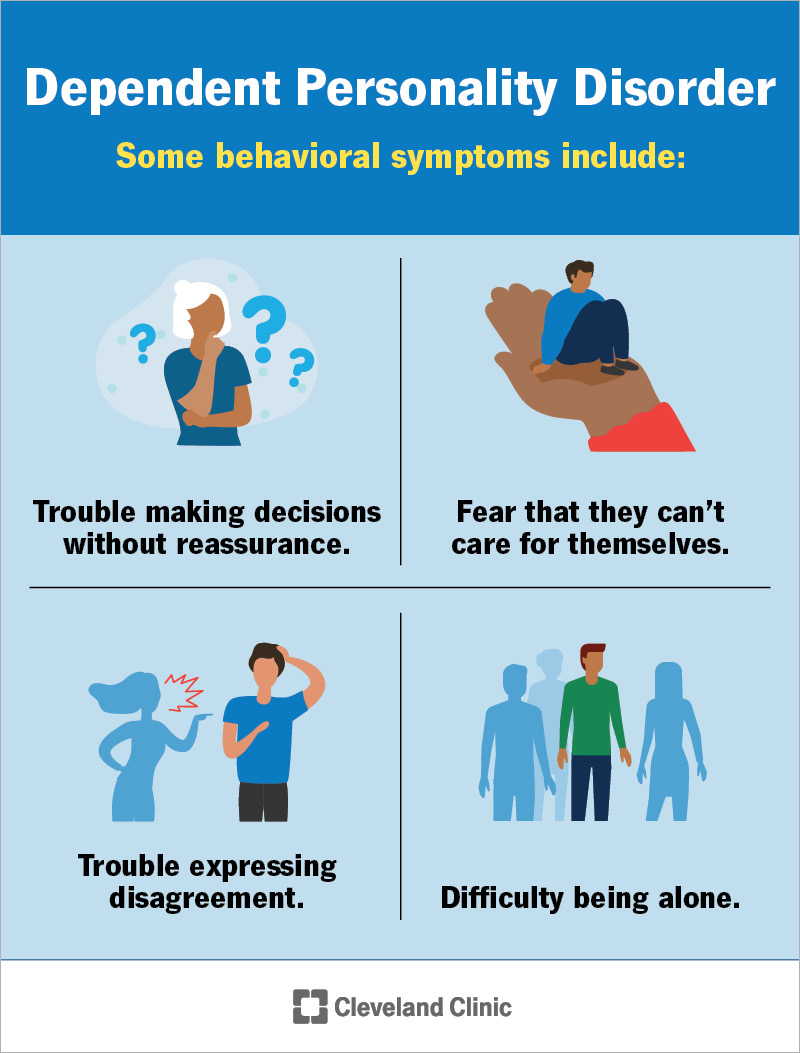
Living with a personality disorder can feel lonely. Coping strategies help. Create a routine to bring structure to your day. Practice mindfulness to stay calm. Exercise to boost mood. Journaling can help you understand your feelings. Limit alcohol and avoid drugs. Seek professional help if needed. Therapists can guide you. Everyone is different. Find what works for you. Stay patient with yourself.
Support systems are key. Family and friends can listen and help. Support groups offer a safe space. You can share your experiences. Hearing others’ stories can be comforting. Hotlines are available for urgent help. Online forums offer anonymous support. Therapists can provide professional advice. Remember, you are not alone. Help is always there.
Credit: my.clevelandclinic.org
Frequently Asked Questions
Which Disorder Causes Desire To Be Alone?
Schizoid Personality Disorder often causes a strong desire to be alone.
What Are Signs Of Schizoid Personality Disorder?
Signs include emotional coldness, detachment, and preference for solitary activities.
Do People With Schizoid Personality Disorder Avoid Social Activities?
Yes, they usually avoid social activities and close relationships.
Can Schizoid Personality Disorder Be Treated?
Yes, therapy and counseling can help manage symptoms.
Is Schizoid Personality Disorder Common?
No, it is relatively rare compared to other personality disorders.
Conclusion
Living with a personality disorder can be challenging. Some prefer solitude. They find comfort in being alone. Understanding their needs helps build empathy. Supporting them requires patience and care. Encourage seeking professional help. Therapy can provide valuable insights. Remember, everyone deserves compassion and respect.
Alone time can be healing. It’s crucial to offer understanding. This fosters a supportive environment for all.