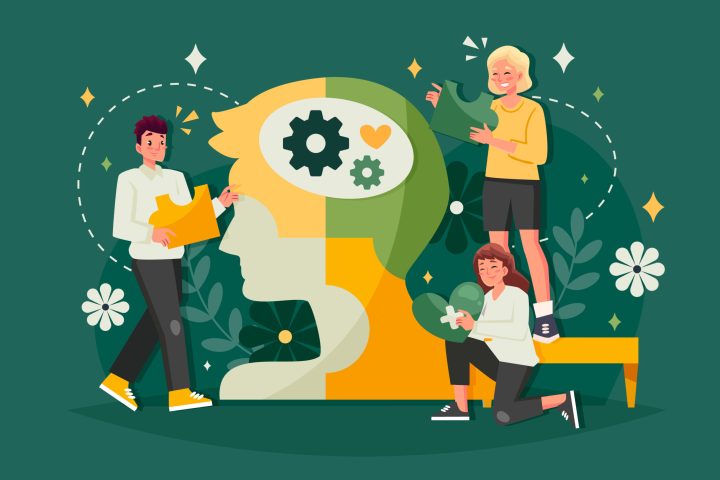

Mental health and physical health are both crucial for overall well-being. They are interconnected, yet distinct in many ways.
Understanding the difference between mental and physical health is essential. Mental health relates to our emotions, thoughts, and behaviors. It affects how we handle stress, relate to others, and make choices. Physical health, on the other hand, refers to the body’s condition and functioning.
It involves aspects like exercise, nutrition, sleep, and absence of disease. Both types of health influence each other. Poor physical health can lead to mental health issues, and vice versa. Recognizing this connection helps in achieving a balanced, healthy life. In this blog, we will explore the key differences between mental and physical health, and why both are vital for a happy, healthy life.

Mental Health Basics
Mental health is just as important as physical health. It impacts how we think, feel, and act daily. Understanding mental health basics helps us care for our minds better.
Emotional Well-being
Emotional well-being refers to our ability to manage emotions. It includes how we handle stress, relate to others, and make decisions.
Key components of emotional well-being are:
- Recognizing and understanding our feelings
- Expressing emotions appropriately
- Maintaining good relationships
- Managing stress effectively
Good emotional well-being boosts our resilience. It helps us cope with life’s challenges. Poor emotional well-being can lead to mental health problems. These may include anxiety, depression, or mood swings.
Cognitive Functioning
Cognitive functioning relates to how our brain processes information. It includes memory, attention, problem-solving, and decision-making.
Essential aspects of cognitive functioning are:
- Memory: Storing and recalling information
- Attention: Focusing on tasks
- Problem-solving: Finding solutions
- Decision-making: Making choices
Healthy cognitive functioning supports learning and growth. It helps us perform daily tasks efficiently. Impaired cognitive function can affect job performance and personal life.
Both emotional well-being and cognitive functioning are critical for mental health. Taking care of them ensures a balanced, healthy mind.
Physical Health Basics
Understanding physical health basics is essential for overall well-being. Physical health involves the proper functioning of the body and its systems. It is maintained through a balanced diet, regular exercise, and adequate rest. This section will explore key aspects of physical health.
Bodily Functions
Bodily functions are the processes that keep us alive. These include breathing, digestion, and circulation. Proper nutrition supports these functions. Eating a variety of foods ensures the body gets necessary nutrients. Staying hydrated is also crucial for bodily functions. Water helps with digestion and temperature regulation. Regular check-ups can help monitor these functions. Early detection of issues leads to better health outcomes.
Physical Fitness
Physical fitness is the ability to perform daily activities with ease. It includes strength, flexibility, and endurance. Exercise is key to physical fitness. Activities like walking, running, and swimming improve cardiovascular health. Strength training builds muscle and increases bone density. Flexibility exercises, such as stretching, enhance range of motion. Aim for at least 30 minutes of moderate exercise most days. Physical fitness boosts energy levels and reduces stress.
Key Differences
Understanding the key differences between mental health and physical health is crucial. Both play significant roles in our overall well-being. They affect each other but have distinct characteristics and treatment methods.
Nature Of Conditions
Mental health conditions often relate to emotions, thoughts, and behaviors. Examples include depression, anxiety, and bipolar disorder. These conditions can affect daily life, relationships, and even physical health.
Physical health conditions involve the body and its systems. Examples include diabetes, heart disease, and arthritis. These conditions can cause pain, discomfort, and other physical symptoms.
Diagnosis And Treatment
Diagnosis of mental health conditions usually involves psychological evaluations. Professionals may use interviews, questionnaires, and observations.
For physical health, diagnosis often involves medical tests. These can include blood tests, imaging, and physical exams.
Treatment for mental health often includes therapy, medication, or a combination. Common therapies are cognitive-behavioral therapy (CBT) and counseling.
Treatment for physical health can involve medication, surgery, or lifestyle changes. Examples include taking insulin for diabetes or undergoing surgery for a heart condition.
| Aspect | Mental Health | Physical Health |
|---|---|---|
| Nature of Conditions | Emotions, thoughts, behaviors | Body and its systems |
| Common Conditions | Depression, anxiety | Diabetes, heart disease |
| Diagnosis Methods | Psychological evaluations | Medical tests |
| Treatment Methods | Therapy, medication | Medication, surgery |
Interconnectedness
Understanding the interconnectedness of mental and physical health can help improve overall well-being. Mental and physical health are not separate entities; they influence each other deeply. This relationship can either enhance or deteriorate one’s health.
Mental Impact On Physical
Our mental health has a direct impact on physical health. For example, stress and anxiety can lead to physical symptoms such as headaches, stomach issues, and even heart problems. The mind and body communicate through a complex network of signals.
Here are a few ways mental health affects physical health:
- Chronic stress can weaken the immune system.
- Depression can lead to fatigue and poor eating habits.
- Anxiety can cause muscle tension and pain.
Physical Impact On Mental
Physical health also influences mental health. Regular exercise can boost mood and reduce symptoms of depression. Conversely, chronic illnesses can lead to mental health challenges.
Some examples include:
- Chronic pain can cause feelings of hopelessness.
- Heart disease can increase anxiety and stress.
- Diabetes can lead to feelings of frustration and isolation.
Incorporating both mental and physical health care into your daily routine can lead to a more balanced and healthy life.
Common Misconceptions
People often misunderstand the differences between mental health and physical health. These misunderstandings lead to misconceptions that can cause harm. Let’s explore these misconceptions to better understand both aspects of health.
Stigma And Stereotypes
Mental health issues face more stigma than physical health issues. People often think that mental illness is a sign of weakness. This is not true. Mental health problems are real and can affect anyone. They are not a choice or a sign of failure.
On the other hand, physical health issues are usually met with sympathy and understanding. People seldom blame individuals for having a physical illness. This difference in perception creates a gap in how we treat mental and physical health.
Reality Versus Myths
Many myths surround both mental health and physical health. Understanding the truth can help clear these misconceptions.
| Myth | Reality |
|---|---|
| Mental illness is not common. | Mental illness affects millions worldwide. |
| Physical illness is always visible. | Some physical illnesses are invisible. |
| Mental health issues are not as serious. | Mental health issues can be as serious as physical ones. |
Believing these myths can lead to neglecting mental health. Both mental and physical health require attention and care.
Indicators Of Health Issues
Understanding the indicators of health issues is crucial for maintaining both mental and physical well-being. Being aware of these signs helps in addressing problems early. This awareness can lead to better outcomes.
Mental Health Signs
Mental health issues often manifest in various ways. It is essential to recognize these signs to seek help. Here are some key indicators:
- Persistent sadness or feeling down
- Confused thinking or reduced ability to concentrate
- Excessive fears or worries
- Extreme mood changes
- Withdrawal from friends and activities
- Significant tiredness, low energy, or problems sleeping
- Detachment from reality (delusions, paranoia, or hallucinations)
- Inability to cope with daily problems or stress
Physical Health Signs
Physical health issues can be easier to detect but are equally important. Here are some common signs to watch for:
- Chronic pain or discomfort
- Frequent headaches
- Unexplained weight loss or gain
- Persistent fatigue
- Shortness of breath
- Changes in appetite
- Skin changes (rashes, sores, or infections)
- Frequent infections
Prevention Strategies
Prevention strategies play a key role in maintaining both mental and physical health. Implementing these practices can help you lead a balanced and healthy life. Let’s explore effective methods for each.
Mental Health Practices
Maintaining mental health requires daily effort. Here are some effective strategies:
- Regular Exercise: Physical activity boosts mood and reduces anxiety.
- Mindfulness and Meditation: These practices reduce stress and improve focus.
- Healthy Relationships: Strong connections provide emotional support.
- Adequate Sleep: Quality sleep is crucial for mental well-being.
- Healthy Diet: Nutritious food impacts brain function positively.
- Limit Screen Time: Reducing screen time can decrease stress levels.
Physical Health Practices
Physical health can be enhanced with consistent routines. Here are some proven methods:
| Practice | Benefits |
|---|---|
| Balanced Diet | Supports bodily functions and boosts immunity. |
| Regular Exercise | Improves cardiovascular health and strengthens muscles. |
| Hydration | Keeps the body functioning properly. |
| Regular Check-ups | Helps in early detection of health issues. |
| Proper Hygiene | Prevents infections and illnesses. |
| Adequate Sleep | Essential for body repair and recovery. |
Seeking Help
Seeking help for health concerns is crucial. Whether it’s mental or physical health, understanding the resources available can make a significant difference. Let’s explore the options for both mental and physical health support.
Mental Health Resources
Many people struggle with mental health issues. Therapy and counseling are common resources. These professionals help people cope with stress, anxiety, and depression.
Support groups offer another valuable resource. They provide a sense of community. Sharing experiences with others can be very comforting.
Hotlines and online chat services are available 24/7. These services offer immediate help in crisis situations. They are confidential and free.
Self-help books and online courses can also help. They provide strategies for managing mental health. These resources are often convenient and accessible.

Physical Health Resources
Physical health resources include doctors and specialists. Regular check-ups are important. They help detect health issues early.
Gyms and fitness centers offer exercise programs. Physical activity is key to staying healthy. Trainers can create personalized workout plans.
Nutritionists provide guidance on healthy eating. They help create balanced diets. Proper nutrition supports overall health.
Pharmacies and clinics provide medications and treatments. They are essential for managing chronic conditions. Access to these resources ensures ongoing health support.
Frequently Asked Questions (FAQs)
1. What Is Mental Health?
- Mental health includes emotional, psychological, and social well-being. It affects thoughts, feelings, and actions. Mental health is crucial at every life stage.
2. What Is Physical Health?
- Physical health involves the well-being of the body. It includes proper functioning of organs and systems. Exercise, nutrition, and rest are vital.
3. How Are Mental And Physical Health Connected?
- Mental and physical health are closely linked. Poor mental health can affect physical health, and vice versa. Both need attention for overall well-being.
4. Can Mental Health Affect Physical Health?
- Yes, mental health can impact physical health. Stress, anxiety, and depression can lead to physical issues like heart disease and fatigue.
Conclusion
Understanding mental and physical health is crucial. Both are vital for well-being. Mental health involves emotions, thoughts, and moods. Physical health focuses on body functions and fitness. Both need attention and care. Ignoring one affects the other. Balance is key.
Mind and body work together. Prioritize both equally. Stay active, eat well, and seek support. Healthy habits improve life quality. Awareness leads to better choices. Live a balanced life. Remember, health is holistic.