
Mental health can sometimes improve on its own with time and the right conditions. But often, it needs a little help from supportive practices or professional guidance.
Mental health is a crucial part of our well-being. Life’s challenges can strain our minds, making us wonder if we can bounce back naturally. Some people do find that their mental health improves over time, especially when they engage in healthy habits and receive social support.
Others may need more structured help, like therapy or medication. Understanding the factors that influence mental health recovery can empower us to take the right steps. In this blog post, we will explore how mental health can change over time and what might help or hinder its improvement.

Credit: www.advocatehealth.org
Self-healing Potential
Many people have the ability to recover naturally. This means they get better without special help. The mind and body can heal themselves. Rest, good sleep, and a healthy diet help. Staying active and having a routine also aid recovery. Support from family and friends is important too. A positive environment makes a difference. Healing can be slow but it is possible.
Resilience is the power to bounce back. People with resilience handle stress better. They find ways to cope and stay strong. Building resilience can improve mental health. Simple activities like reading or walking help. Learning new skills also boosts confidence. Resilient people stay connected with others. They talk about their feelings. This helps them manage tough times.
Impact Of Environment
Good support systems are important. Friends and family help a lot. They listen and care. Feeling loved makes us happy. We need people to talk to. Sharing worries reduces stress. Strong support improves mental health.
Stress affects mental health. Less stress means a healthier mind. Relaxing helps a lot. Taking breaks is important. Exercise reduces stress. Hobbies bring joy. Nature calms us. Breathing exercises work well. Sleep is very important.
Lifestyle Changes
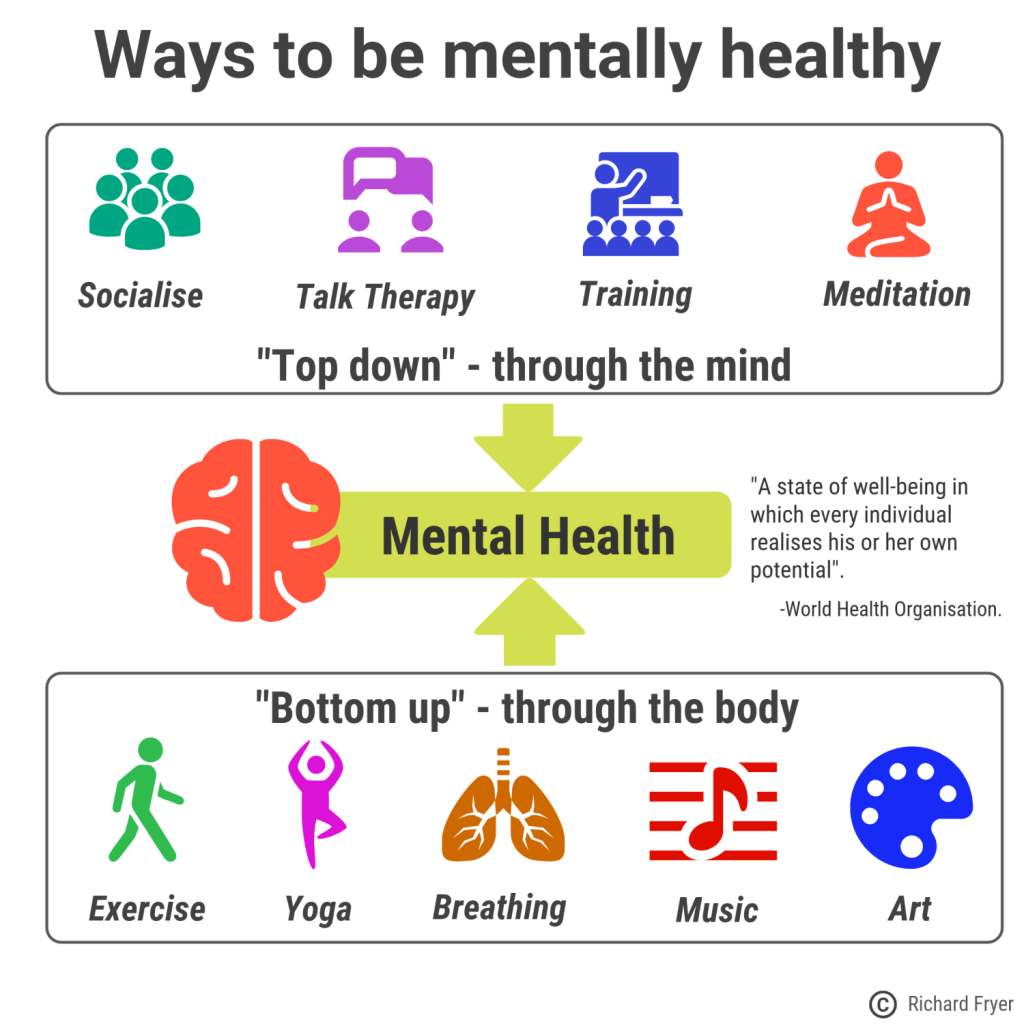
Exercise can help your mind feel better. It helps the body release feel-good chemicals. These chemicals can make you feel happy. A short walk can lift your mood. Regular exercise can reduce stress. It can also improve sleep. Better sleep means a better mood. Exercise can be fun too. Try dancing, swimming, or playing a sport.
A healthy diet can boost your mood. Eating fruits and vegetables is good for your body. They give you energy. Whole grains are also important. They help keep your mind clear. Avoid too much sugar. Sugar can make you feel tired. Drink plenty of water. Water helps your body work well. A balanced diet can make you feel better.
Mindfulness Practices
Meditation can help calm the mind. Start with deep breaths. Focus on your breath. Let thoughts come and go. Don’t judge them. Just breathe and relax. You can meditate for 5 minutes daily. Over time, you may feel less stress.
Yoga combines movement and breathing. Simple poses can stretch your body. Deep breathing helps relax your mind. Start with easy poses. Hold each pose for a few breaths. Focus on how your body feels. This can make you feel more calm and centered.
Sleep And Rest
Good sleep and rest can help improve mental health. Quality sleep allows the brain to repair and rejuvenate. Restful periods reduce stress and anxiety, promoting overall well-being.

Importance Of Sleep
Sleep is very important for mental health. Without enough sleep, the brain can’t function well. People feel more stressed and anxious with less sleep. Good sleep helps the mind stay calm. It makes it easier to handle problems. Sleep helps memory and concentration too. Kids and adults need enough sleep each night. This keeps the mind healthy and happy.
Restful Activities
Restful activities help the mind relax. Reading a book or taking a walk can be soothing. Listening to music is also very calming. Some people enjoy drawing or painting. Doing these activities can lower stress. It helps to take breaks during the day. This gives the mind time to rest. Finding enjoyable activities can improve mental health.
Creative Outlets
Art therapy helps people express feelings. This process can be very healing. Colors and shapes speak where words fail. Making art can calm the mind. It can also reduce stress. Art therapy is a safe space for emotions. No need for skills or talent. Everyone can benefit from it. Creating art brings joy and peace. It can be a powerful tool for healing.
Writing can clear the mind. It helps sort thoughts and feelings. Journaling can be a daily habit. This habit can bring relief. Write about happy and sad times. This practice can improve mood. It can also reduce anxiety. Writing helps one understand themselves better. It is a free and easy way to boost mental health. Many people find comfort in words. Writing can be a good friend.
Social Connections
Strong relationships help mental health. Spending time with friends and family is key. Sharing thoughts and feelings builds trust. This support can lift your mood. Even a simple chat can bring joy. New friendships also help. Being open to new people can be rewarding. It might feel hard at first. But the benefits are worth it.
Joining local groups can improve your mental health. Find a club or team that interests you. It could be sports, books, or hobbies. Helping others boosts your mood too. Volunteering is a great way to connect. You meet new people and feel valued. This sense of belonging is powerful. It makes you feel part of something bigger.
Seeking Professional Help
Therapy can help you feel better. Many types of therapy are available. Cognitive Behavioral Therapy (CBT) helps you change negative thoughts. Talk therapy lets you share your feelings. Group therapy helps you see you are not alone. Each type has its benefits. Choose the one that fits you best.
Feeling sad or anxious for a long time? It might be time to seek help. Struggling to do daily tasks? That is a sign, too. Talking to a professional can make a big difference. Do not wait too long. Your well-being is important.
Credit: performancemindsets.com.au
Frequently Asked Questions
- Can Mental Health Improve Without Treatment?
Yes, mild cases can improve with self-care. Rest, exercise, and social support help. - What Are Natural Ways To Boost Mental Health?
Exercise, proper sleep, and healthy eating. Meditation and connecting with loved ones also help. - Can Lifestyle Changes Improve Mental Health?
Absolutely, yes. Regular exercise, balanced diet, and good sleep can enhance mental well-being. - How Does Social Support Affect Mental Health?
Strong social connections provide emotional support. They reduce stress and improve mental health. - Can Mindfulness Improve Mental Health?
Yes, mindfulness reduces stress and anxiety. It helps focus and improves overall mental health.
Conclusion
Mental health can improve with time and effort. Small steps make a difference. Seek support from friends, family, or professionals. Practice self-care daily. Stay positive and patient with yourself. Everyone’s journey is unique. Keep learning and growing. Remember, progress takes time.
You are not alone in this. By taking action, you can improve your mental health. Trust the process and stay hopeful. Your well-being matters.