
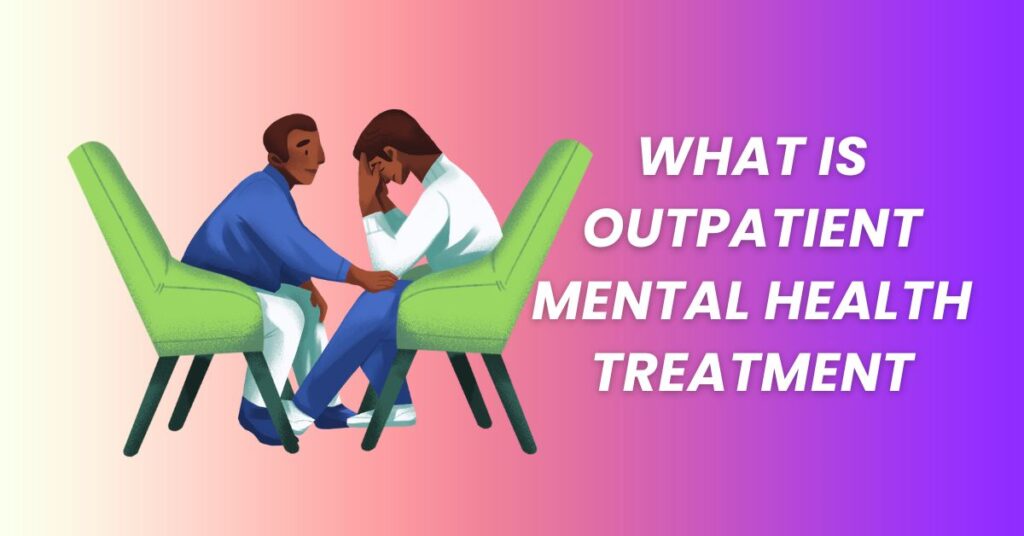
Outpatient mental health treatment helps individuals manage mental health issues without staying in a hospital. It is an accessible option for many people.
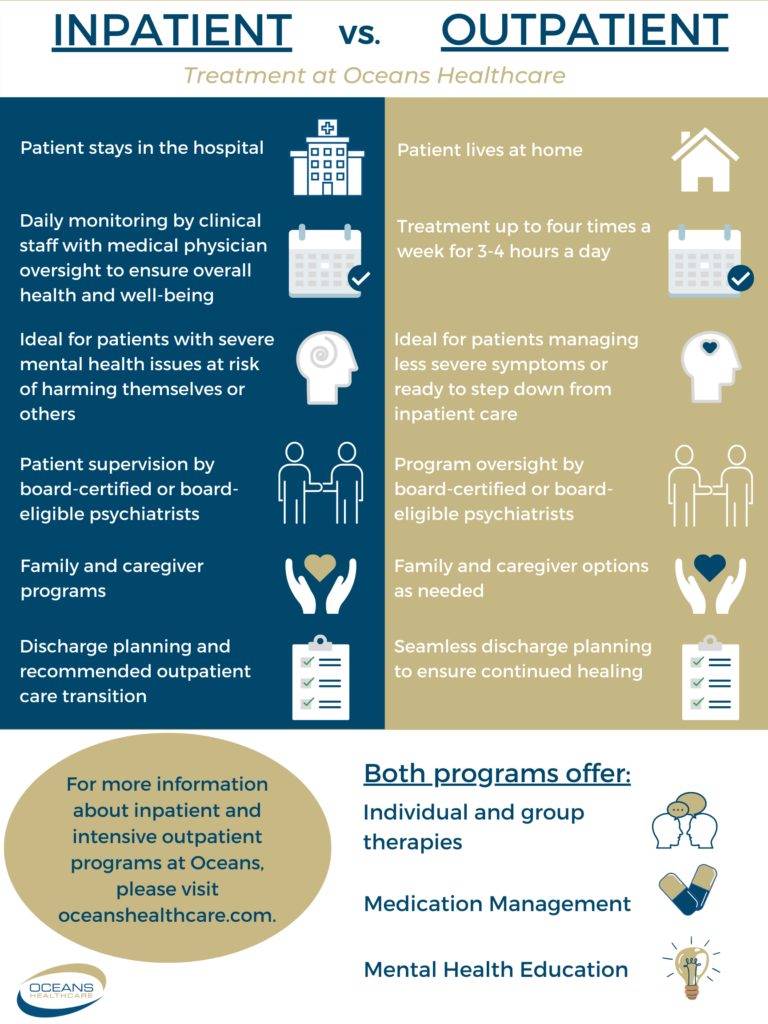
Mental health is crucial for overall well-being. Outpatient treatment offers flexibility and support for those dealing with various mental health conditions. Unlike inpatient care, outpatient services allow patients to live at home and continue with daily activities while receiving therapy and support.
This approach is beneficial for those with mild to moderate symptoms who need professional help but can function in their daily lives. Understanding how outpatient treatment works can help you or a loved one make informed decisions about mental health care. Let’s explore what outpatient mental health treatment entails and how it can support mental well-being.
Introduction To Outpatient Mental Health Treatment
Outpatient mental health treatment has become a vital part of modern healthcare. It provides support without requiring a hospital stay. This approach offers flexibility for those who need help but have daily responsibilities. Let’s explore what outpatient mental health treatment is and why it matters.
Definition And Scope
Outpatient mental health treatment involves visiting a clinic or therapist regularly. Patients do not stay overnight. Treatment can include therapy sessions, medication management, and support groups. It covers a wide range of mental health issues. From anxiety to depression to more severe disorders. This type of care fits into daily life. Patients can continue their work, school, or family duties.
Importance And Benefits
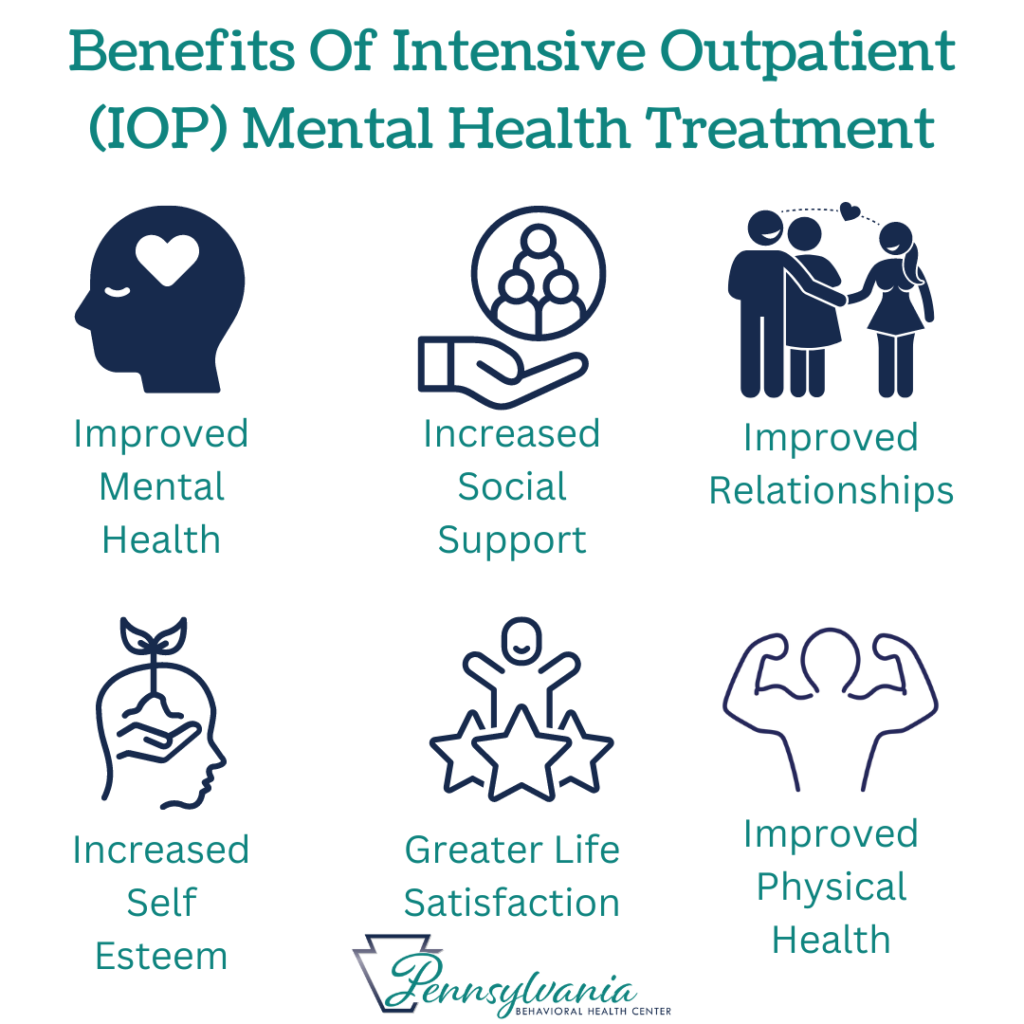
Outpatient mental health treatment offers numerous benefits. First, it allows individuals to seek help without disrupting their lives. Regular visits ensure continuous support. This consistency helps in managing mental health effectively. Another key benefit is the cost. Outpatient care is often less expensive than inpatient care. This makes it accessible to more people. Finally, it fosters a supportive community. Patients meet others facing similar challenges. This network can provide emotional support and encouragement.
Types Of Outpatient Mental Health Services
Outpatient mental health treatment includes various services. These services address different mental health needs. They provide flexible options. People can seek help without staying in a hospital. There are different types of outpatient mental health services. Each type offers unique benefits. Let’s explore some of them.
Individual Therapy
Individual therapy involves one-on-one sessions with a therapist. These sessions are private. They focus on personal issues. The therapist helps the patient understand their feelings. They work together to find solutions. Individual therapy can help with anxiety, depression, and stress.
Group Therapy
Group therapy involves multiple people. They share similar mental health challenges. A therapist leads the group. They discuss their experiences. They support each other. Group therapy provides a sense of community. It helps people feel less alone. It can be very effective for improving social skills.
Family Therapy
Family therapy involves the whole family. A therapist helps them communicate better. They work on resolving conflicts. Family therapy can improve relationships. It helps family members understand each other. This type of therapy can be helpful for families dealing with mental health issues.
Common Mental Health Issues Treated
Outpatient mental health treatment addresses a wide range of mental health issues. Patients receive care without staying overnight in a facility. This approach is flexible and effective for many conditions. Here, we will explore common mental health issues treated through outpatient services.
Anxiety Disorders
Anxiety disorders are one of the most treated issues in outpatient settings. They include conditions like generalized anxiety disorder, panic disorder, and social anxiety disorder. Symptoms often involve excessive worry, fear, or panic attacks. Treatment usually includes therapy and sometimes medication. Cognitive-behavioral therapy (CBT) is a common approach.
Depressive Disorders
Depressive disorders also receive significant attention in outpatient care. These disorders include major depressive disorder and dysthymia. Symptoms may include persistent sadness, lack of interest, and fatigue. Therapy and medication are common treatments. Many find relief through regular counseling sessions.
Bipolar Disorder
Bipolar disorder involves mood swings that include emotional highs and lows. Outpatient treatment helps manage these mood changes. Patients receive therapy and medication to stabilize their mood. Regular monitoring and support are crucial for managing symptoms.
Substance Abuse
Substance abuse is another issue treated in outpatient settings. This includes addiction to drugs or alcohol. Treatment often involves counseling and support groups. Behavioral therapy helps patients develop coping skills. Outpatient programs offer flexibility for those with work or family commitments.

Choosing The Right Treatment Provider
Choosing the right treatment provider is crucial for successful outpatient mental health treatment. It ensures the patient receives the best care tailored to their needs. Selecting a provider can seem overwhelming. This guide will help you make an informed decision.
Qualifications To Look For
Check the provider’s credentials. Ensure they have the necessary licenses and certifications. Look for providers with experience in the specific mental health issue you are dealing with. Verify their educational background. Providers should have degrees from accredited institutions.
Consider their training and specializations. Some providers may have additional certifications in areas like cognitive behavioral therapy (CBT) or dialectical behavior therapy (DBT). These specializations can be beneficial for certain conditions.
Review their professional affiliations. Membership in professional organizations like the American Psychological Association (APA) or the National Association of Social Workers (NASW) can indicate a commitment to ongoing education and adherence to ethical standards.
Questions To Ask
Prepare a list of questions to ask potential providers. Start with their approach to treatment. Ask about their treatment methods and how they personalize care. Inquire about their experience with similar cases.
Ask about the duration and frequency of sessions. Understanding the time commitment can help in planning and setting expectations. Question their success rates and how they measure progress. This helps gauge the effectiveness of their treatments.
Don’t forget to ask about insurance and payment options. Ensure their services are covered by your insurance or if they offer flexible payment plans. This can alleviate financial stress and make treatment more accessible.
It’s also important to inquire about their availability. Ask if they offer emergency support or after-hours care. This ensures you can get help when you need it most.
Finally, ask for references or testimonials. Hearing from other patients can provide insight into the provider’s effectiveness and approach.
The Role Of Medication In Outpatient Treatment
Outpatient mental health treatment often includes the use of medication. Medications can help manage symptoms and improve overall well-being. This approach can be highly effective when combined with therapy and other support systems.
Types Of Medications
Several types of medications are used in outpatient mental health treatment. Antidepressants help with depression and anxiety. Antipsychotics manage symptoms of schizophrenia and bipolar disorder. Mood stabilizers are also used for bipolar disorder. Anti-anxiety medications help reduce anxiety and panic attacks.
Medication Management
Effective medication management is crucial in outpatient treatment. Healthcare providers monitor patients regularly. They check for side effects and adjust dosages as needed. Regular follow-ups ensure that medications work effectively. Patients should communicate openly about their experiences. This helps in adjusting the treatment plan for the best results.
Integrative Approaches To Treatment
Outpatient mental health treatment often includes integrative approaches. This means combining traditional therapies with holistic practices. The goal is to treat the whole person. Not just the symptoms. Integrative approaches can be highly effective.
Holistic Therapies
Holistic therapies focus on the mind-body connection. Techniques like yoga and meditation can help. They reduce stress and improve mental clarity. Art therapy is another option. It allows expression through creativity. Music therapy can also be beneficial. Listening to or creating music can lift the mood. These therapies offer different ways to cope with emotions.
Lifestyle Modifications
Lifestyle changes can support mental health. Regular exercise is crucial. It boosts endorphins and improves mood. A balanced diet is also important. Proper nutrition supports brain function. Sleep patterns need attention too. Quality sleep helps mental well-being. Limiting alcohol and avoiding drugs is essential. These substances can worsen symptoms. Simple changes can make a big difference.
Challenges And Barriers
Outpatient mental health treatment can help many individuals. But there are several challenges and barriers that people face. Understanding these challenges is crucial for improving access to care.
Stigma And Misconceptions
Stigma around mental health is a significant barrier. Many people feel ashamed of their mental health issues. This shame can prevent them from seeking help.
Misconceptions about mental health also create obstacles. Some believe that mental illness is a sign of weakness. Others think that therapy is only for severe cases.
These misconceptions can discourage people from getting the support they need. Education and awareness are key to breaking these barriers.
Access And Affordability
Access to mental health services is another major challenge. In many areas, there are not enough providers. This shortage can lead to long wait times for appointments.
Affordability is a critical issue as well. Many people do not have health insurance. Even with insurance, high co-pays and deductibles can be a burden.
Here are some common barriers related to access and affordability:
- Lack of transportation to clinics
- Limited availability of providers
- High cost of sessions
- Insurance limitations
Addressing these barriers can make outpatient mental health treatment more accessible to everyone.
Tips For Maximizing Treatment Success
Outpatient mental health treatment can be very effective. But, the key to success lies in active participation and commitment. Here are some tips to maximize the benefits of your treatment.
Setting Realistic Goals
Set achievable goals for your mental health journey. Break down larger goals into smaller steps. This makes progress easier to track. Celebrate small victories. They boost your motivation and confidence.
Building A Support System
Surround yourself with supportive people. Friends, family, and support groups can offer encouragement. Share your goals and progress with them. They can provide valuable insights and help when needed.
Maintaining Consistency
Consistency is crucial for mental health treatment. Attend all scheduled therapy sessions. Follow through with homework assignments from your therapist. Stick to a routine. Consistent practice leads to lasting results.
Frequently Asked Questions
What Is Outpatient Mental Health Treatment?
Outpatient mental health treatment is therapy you get without staying overnight. It includes counseling, therapy, and support groups.
Who Can Benefit From Outpatient Mental Health Treatment?
Anyone with mental health issues can benefit. It helps those needing support but not hospitalization.
How Often Are Outpatient Mental Health Sessions?
Sessions can vary. They may be weekly, bi-weekly, or monthly, depending on individual needs and therapist recommendations.
What Types Of Therapies Are Offered In Outpatient Mental Health Treatment?
Outpatient treatment includes cognitive-behavioral therapy, psychotherapy, and group therapy. Each targets different issues and needs.
Is Outpatient Mental Health Treatment Effective?
Yes, it is effective for many. It provides support, coping strategies, and therapy without the need for hospitalization.
Conclusion
Outpatient mental health treatment offers flexible support for many. It helps people manage their daily lives while getting the care they need. This approach allows individuals to stay connected with their communities. They can continue working or studying. Seeking help is a strong step towards better mental health.
Remember, support is always available. Outpatient treatment can lead to a healthier, happier life.