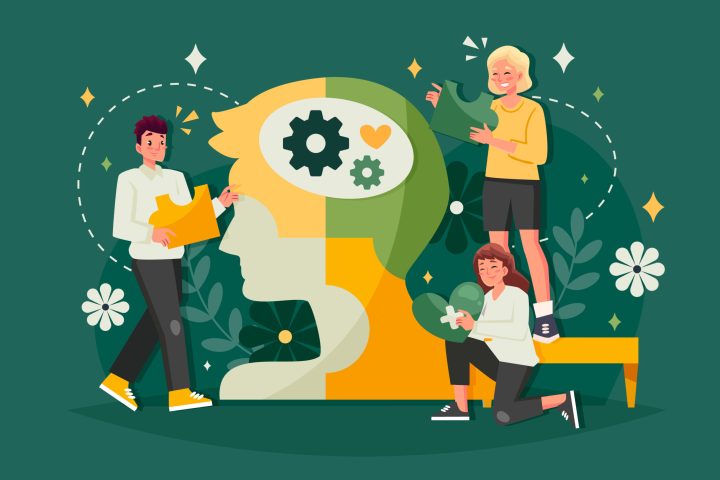

Being a mental health advocate means supporting mental health awareness and reducing stigma. It involves educating others and promoting mental well-being.
Mental health is crucial for a happy, fulfilling life. Yet, many people still face stigma and misunderstanding around mental health issues. You can make a difference as a mental health advocate. Advocates play a vital role in spreading awareness, providing support, and encouraging open conversations about mental health.
This blog will guide you on how to become a mental health advocate. From understanding mental health to engaging in community activities, you’ll learn practical steps to help others. Ready to make a positive impact? Let’s explore how you can be a mental health advocate.

Importance Of Mental Health Advocacy
The importance of mental health advocacy cannot be overstated. It plays a crucial role in society. Mental health issues affect millions of people globally. Advocates help raise awareness and reduce stigma. They create a supportive community for those struggling. Understanding and promoting mental health is vital for overall well-being.
Raising Awareness
Raising awareness is a key aspect of mental health advocacy. Many people lack knowledge about mental health issues. Advocates share information and educate the public. They organize events and campaigns to spread awareness. This helps people understand mental health better. Awareness leads to early detection and treatment.
Advocates use various platforms to reach a broader audience. Social media, blogs, and public speaking are common methods. They share personal stories and experiences. This makes the topic relatable and engaging. Awareness campaigns inspire others to join the cause. More people become informed and supportive.
Reducing Stigma
Reducing stigma is another crucial part of advocacy. Stigma prevents people from seeking help. It creates shame and fear around mental health issues. Advocates challenge misconceptions and stereotypes. They promote a positive and accepting attitude. This encourages open conversations about mental health.
Advocates also work with media and organizations. They ensure accurate representation of mental health in the media. This helps change public perception. Reducing stigma makes it easier for people to seek help. It fosters a more supportive and understanding environment.
Educating Yourself
To become a mental health advocate, you need to start by educating yourself. Understanding mental health issues helps you support others effectively. It also breaks down stigma and promotes empathy. Below, we dive into key areas to focus on: Mental Health Basics and Continuing Education.
Mental Health Basics
Knowing the basics of mental health is crucial. Here are some important points:
- Types of Mental Health Disorders: Learn about depression, anxiety, bipolar disorder, and schizophrenia.
- Symptoms and Signs: Understand the common symptoms of each disorder.
- Causes: Familiarize yourself with genetic, biological, and environmental factors.
- Treatments: Be aware of therapy, medications, and lifestyle changes that can help.
Here’s a simple table summarizing this information:
| Disorder | Common Symptoms | Potential Causes | Treatments |
|---|---|---|---|
| Depression | Sadness, loss of interest | Genetic, trauma | Therapy, medication |
| Anxiety | Excessive worry, restlessness | Stress, genetics | Counseling, relaxation techniques |
| Bipolar Disorder | Mood swings, energy changes | Genetics, brain structure | Medication, therapy |
| Schizophrenia | Hallucinations, disorganized thinking | Genetics, brain chemistry | Medication, supportive therapy |
Continuing Education
Mental health knowledge is always evolving. Stay updated by:
- Reading Books and Articles: Choose works by reputable authors and researchers.
- Attending Workshops: Join seminars and webinars on mental health topics.
- Taking Online Courses: Enroll in courses from universities or mental health organizations.
- Following Experts: Follow mental health professionals on social media for the latest insights.
Here are some resources to consider:
- Books like “The Body Keeps the Score” by Bessel van der Kolk.
- Websites such as the National Institute of Mental Health (NIMH).
- Online platforms like Coursera and edX for relevant courses.
Staying educated helps you better support those around you. It also strengthens your role as a mental health advocate. Remember, learning is an ongoing journey.
Listening And Supporting
Listening and supporting are vital skills for mental health advocates. By offering a compassionate ear, you can provide significant help to those in need. This process involves more than just hearing words. It demands active listening, empathy, and a deep understanding of the other person’s feelings.
Active Listening
Active listening means fully concentrating on what someone is saying. Avoid interrupting them. Nod your head and maintain eye contact. Show that you are paying attention. Repeat back what you heard to confirm understanding. This shows that you value their words and feelings.
Empathy And Understanding
Empathy involves putting yourself in another person’s shoes. Try to feel what they are feeling. Avoid judgment. Understand their emotions and experiences. Offer words of support and comfort. Acknowledge their struggles and validate their feelings. This helps build trust and rapport.
Sharing Personal Stories
Sharing personal stories can have a powerful impact on mental health advocacy. Personal narratives can help break down stigma and foster understanding. They provide real-life examples and offer hope to those facing similar challenges. By opening up about our experiences, we can create connections and build a supportive community.
Impact Of Storytelling
Storytelling can change how people view mental health. Personal stories make the abstract real. They give faces to statistics and show the human side of mental health issues. People relate to stories and find comfort in knowing they are not alone. This connection can inspire others to seek help or support those in need.
Sharing your journey can also empower you. It helps you process your experiences and find strength. Your story could be the spark that motivates someone else to speak out or get help. It’s a ripple effect that can create widespread change.
Creating Safe Spaces
To share stories effectively, we must create safe spaces. Safe spaces allow open and honest conversations without fear of judgment. These spaces can be physical or virtual. They need to be supportive and inclusive, where everyone feels heard and valued.
Encouraging respectful dialogue is key. Listen actively and show empathy. Respect confidentiality and personal boundaries. By fostering a safe environment, we can make sharing personal stories a positive and impactful experience for everyone involved.
Promoting Resources
Promoting resources is a key part of being a mental health advocate. By sharing helpful tools and information, you can support others in their mental health journey. This can be done by pointing them toward local organizations or online support platforms. Knowing where to find help is vital for anyone struggling with mental health issues.
Local Organizations
Local organizations often provide valuable resources and support. They might offer counseling, support groups, and educational workshops. Many communities have mental health centers that cater to various needs. These centers can be a great starting point for anyone seeking help.
Libraries and community centers also sometimes host mental health events. These events can include guest speakers, educational sessions, and support groups. Sharing information about these resources can make a big difference.
Encourage people to explore these local options. They can find a sense of community and support close to home.
Online Support
Online support platforms are accessible from anywhere. These platforms offer a wide range of resources. Websites like forums and mental health websites provide articles, tips, and advice.
Social media groups can also be a source of support. Many people find comfort in connecting with others who understand their experiences. These groups can offer a sense of belonging and acceptance.
Mental health apps are another useful resource. They can track moods, provide coping strategies, and offer professional advice. Sharing these online resources can help people access help quickly and easily.
Advocating For Policy Change
Advocating for Policy Change is a crucial part of being a mental health advocate. Policies shape how society views and treats mental health. By pushing for better policies, you can create a more supportive environment. This section will guide you on how to engage with legislators and support mental health policies.
Engaging With Legislators
Legislators create and change laws. Your voice can influence them. Follow these steps to engage effectively:
- Research: Understand the current mental health laws. Know the key issues.
- Identify: Find out who your local legislators are. Know their stance on mental health.
- Contact: Write letters or emails. Make phone calls. Schedule meetings. Be clear and concise.
- Share Stories: Personal stories can be powerful. They show the real impact of mental health issues.
- Follow Up: Keep in touch. Remind them of your concerns. Show that you are serious.
Supporting Mental Health Policies
Support good mental health policies. Here are some ways to do that:
- Stay Informed: Follow mental health organizations. They provide updates on policy changes.
- Join Groups: Many groups advocate for mental health. Join them to amplify your voice.
- Attend Events: Participate in rallies, town halls, and webinars. Show your support publicly.
- Spread the Word: Use social media. Talk to friends and family. Educate others about important policies.
- Donate: Support organizations working on mental health advocacy. Your contributions help them continue their work.
Below is a table summarizing key actions you can take:
| Action | Description |
|---|---|
| Research | Understand current laws and key issues |
| Identify | Find local legislators and their stance |
| Contact | Write, call, or meet with legislators |
| Share Stories | Use personal stories to show impact |
| Follow Up | Keep in touch with legislators |
| Stay Informed | Follow updates from mental health organizations |
| Join Groups | Amplify your voice through advocacy groups |
| Attend Events | Participate in rallies and town halls |
| Spread the Word | Educate others about policies |
| Donate | Support advocacy organizations financially |
Self-care For Advocates
Being a mental health advocate is both rewarding and challenging. Advocates play a crucial role in supporting others, raising awareness, and fighting stigma. To sustain this important work, taking care of oneself is essential. Self-care for advocates ensures they can continue their mission while maintaining their own well-being.
Setting Boundaries
Advocates often feel the urge to help everyone. But setting boundaries is vital. Clear boundaries prevent emotional exhaustion. Decide how much time you can dedicate each week. Stick to this schedule. Say “no” when necessary. It’s okay to prioritize your needs. Remember, you can’t pour from an empty cup.
Preventing Burnout
Burnout can sneak up on even the most passionate advocates. Recognize the signs early. Constant fatigue, irritability, and loss of interest are red flags. Schedule regular breaks. Engage in activities that rejuvenate you. Exercise, hobbies, or quiet time can help. Also, seek support from fellow advocates. Sharing experiences can lighten the load.
Building A Community
Building a community around mental health is essential. It provides support, understanding, and shared experiences. A strong community can break the stigma surrounding mental health. It can also offer a safe space for open conversations. Let’s explore how to build such a community.
Connecting With Others
Connecting with others is the first step in building a community. Start by reaching out to people around you. Talk to friends, family, and colleagues about mental health. Share your experiences. Listen to theirs. This creates a bond of trust and understanding.
Attend local events or workshops focused on mental health. These are great places to meet like-minded individuals. Use social media to join mental health groups. Participate in online discussions. Share helpful articles, tips, and resources. Be open and supportive.

Creating Support Networks
Creating support networks is crucial for a strong community. A support network offers help in times of need. It provides a safe space to share feelings and seek advice. Here are some steps to create effective support networks:
- Identify key members: Include friends, family, and mental health professionals.
- Establish regular check-ins: Schedule regular meetings or calls to stay connected.
- Create a safe space: Ensure everyone feels comfortable sharing their thoughts.
- Offer resources: Share information about mental health services and support groups.
Encourage members to be active participants. Everyone should feel valued and heard. This strengthens the support network and promotes a sense of belonging.
Frequently Asked Questions(FAQs)
1. What Is A Mental Health Advocate?
- A mental health advocate supports mental health awareness and fights stigma. They promote understanding and compassion.
2. How Can I Support Mental Health Awareness?
- Share information, listen to others, and encourage seeking help. Support mental health campaigns and initiatives.
3. Why Is Mental Health Advocacy Important?
- It helps reduce stigma, increases awareness, and promotes better mental health resources. Advocacy leads to positive change.
4. What Skills Do Mental Health Advocates Need?
- Empathy, communication, and active listening. Understanding mental health issues and being non-judgmental is also crucial.
5. How Can I Start Advocating For Mental Health?
- Educate yourself, join mental health organizations, and share resources. Speak up about mental health in your community.
Conclusion
Being a mental health advocate is rewarding. Start by listening and learning. Support friends and family openly. Share resources and information. Encourage others to seek help. Raise awareness through social media. Join local mental health events. Your actions can inspire change.
Every small step counts. Together, we can break the stigma. Let’s make mental health a priority. You have the power to make a difference. Keep advocating.