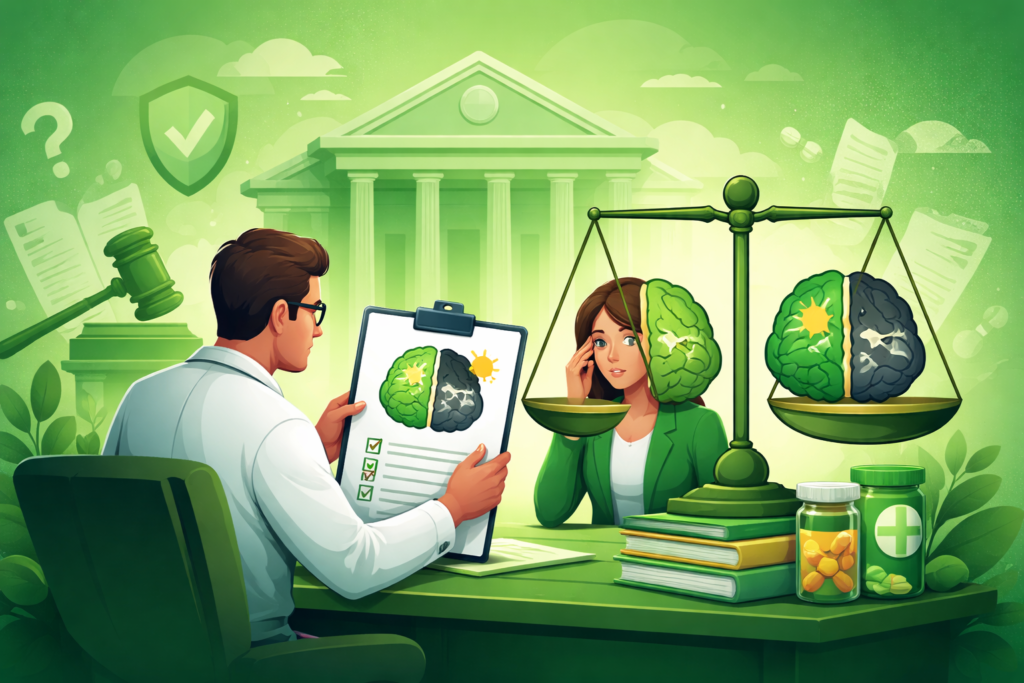

Yes, drug use can influence the onset of bipolar disorder. But it’s not a simple cause-and-effect relationship.
Understanding the connection between drug use and bipolar disorder requires digging deeper. Bipolar disorder is a complex mental health condition marked by extreme mood swings. Factors like genetics, environment, and lifestyle play roles. Drug use can exacerbate symptoms and make diagnosis and treatment harder.
While drugs may not directly cause bipolar disorder, they can trigger or worsen episodes in those already predisposed. This blog post will explore how drug use impacts bipolar disorder, shedding light on the intricate relationship. So, let’s dive in and uncover the truth behind this important question.

Introduction To Bipolar Disorder
Bipolar disorder is a mental health condition. It affects mood, energy levels, and daily activities. People with bipolar disorder experience extreme mood swings. These swings include emotional highs (mania or hypomania) and lows (depression). Understanding bipolar disorder is essential. Early diagnosis and treatment can improve quality of life.
Symptoms And Diagnosis
Bipolar disorder symptoms vary widely. During a manic phase, a person may feel overly happy, energetic, or irritable. They may have increased activity levels, talk rapidly, or make impulsive decisions. During a depressive phase, the same person may feel sad, hopeless, or lose interest in activities they once enjoyed. They may experience changes in sleep patterns, appetite, or energy levels.
Doctors diagnose bipolar disorder through a combination of methods. These include medical history, psychiatric evaluation, and mood charting. Sometimes, they use questionnaires or interviews with family members. Accurate diagnosis is crucial for effective treatment.
Prevalence And Impact
Bipolar disorder affects millions of people worldwide. According to studies, about 2.8% of U.S. adults had bipolar disorder in the past year. The condition often begins in late adolescence or early adulthood. It can have a profound impact on a person’s life.
The disorder can lead to difficulties in maintaining relationships and employment. It may also increase the risk of substance abuse and self-harm. Early diagnosis and treatment can help manage symptoms and improve outcomes. Medications, therapy, and lifestyle changes play a vital role in treatment.
Understanding bipolar disorder helps in recognizing the symptoms early. Seeking professional help can make a significant difference. Stay informed and support those affected by this condition.
Understanding Drug Use
Exploring whether drug use causes bipolar disorder is crucial. Drug use may trigger symptoms, but it does not directly cause bipolar disorder. Understanding this distinction helps in managing and treating the condition effectively.
Drug use is a significant concern worldwide. It impacts individuals and communities. Understanding the nuances of drug use is crucial. It helps us comprehend its potential link to bipolar disorder.
Types Of Drugs
There are various types of drugs. Each has distinct effects on the brain and body. Here’s a table summarizing common drug categories:
| Drug Type | Examples | Effects |
|---|---|---|
| Stimulants | Cocaine, Methamphetamine | Increased energy, alertness |
| Depressants | Alcohol, Benzodiazepines | Relaxation, drowsiness |
| Hallucinogens | LSD, Psilocybin | Altered perceptions, hallucinations |
| Opioids | Heroin, Prescription painkillers | Pain relief, euphoria |
| Cannabis | Marijuana | Relaxation, altered senses |
Different drugs affect people in various ways. The method of use also plays a role.
Patterns Of Drug Use
Drug use patterns vary among individuals. These patterns can influence mental health. Here are some common patterns:
- Experimental Use: Trying a drug out of curiosity.
- Recreational Use: Using drugs in social settings.
- Situational Use: Using drugs to cope with specific situations.
- Intensive Use: Regular use, often leading to dependency.
- Compulsive Use: Uncontrolled use despite negative consequences.
Each pattern has different risks. Intensive and compulsive use are particularly concerning. They can lead to addiction and other health issues. Understanding these patterns helps identify at-risk individuals. Early intervention can prevent severe consequences.
Link Between Drug Use And Bipolar Disorder
The link between drug use and bipolar disorder is a subject of ongoing research. Many people wonder if using drugs can lead to mental health conditions like bipolar disorder. While the relationship is complex, studies reveal intriguing connections.
Research Findings
Studies show a higher incidence of bipolar disorder among drug users. Researchers have observed that individuals who use drugs are more likely to develop mood disorders. These findings suggest that drug use may be a risk factor for bipolar disorder.
Additionally, there is evidence that drug use can worsen existing bipolar symptoms. People with bipolar disorder who use drugs may experience more severe mood swings. Research continues to explore these links for better understanding.
Potential Mechanisms
Drugs can alter brain chemistry. This alteration can lead to mood changes and mental health issues. For example, drugs like cocaine and methamphetamine affect dopamine levels in the brain. Dopamine plays a crucial role in mood regulation.
Another potential mechanism involves stress. Drug use often increases stress levels. High stress can trigger or worsen bipolar symptoms. Chronic drug use may also disrupt sleep patterns, leading to further mood instability.
Genetics might also play a role. Some individuals may have a genetic predisposition to bipolar disorder. Drug use could trigger this underlying vulnerability. The interplay between genes and drug use is an important area of research.
Genetic Factors
Drug use and bipolar disorder are complex topics. Understanding genetic factors is crucial. Research shows genetics play a significant role in bipolar disorder. Let’s explore how family history and genetic predisposition contribute.
Family History
Family history plays a large role in bipolar disorder. If a close relative has bipolar disorder, the risk increases. Studies show that children of parents with bipolar disorder have a higher chance of developing it. This link suggests that genes may pass the disorder from one generation to the next.
Genetic Predisposition
Genetic predisposition is another key factor. Some people have genes making them more likely to develop bipolar disorder. These genes may affect brain chemistry and mood regulation. Although not everyone with these genes will develop bipolar disorder, the risk is higher. Researchers are still studying which specific genes are involved.
Environmental Triggers
Environmental triggers play a significant role in the onset of bipolar disorder. These triggers can exacerbate symptoms or even initiate the disorder. Understanding these factors is crucial for managing and preventing the condition. Let’s explore some key environmental triggers.
Stress And Trauma
Stressful events can trigger bipolar episodes. This includes losing a job or experiencing a breakup. Trauma from childhood abuse or neglect also increases the risk. Such experiences can lead to emotional instability. This instability may contribute to the development of bipolar disorder.
Lifestyle Factors
Unhealthy lifestyle choices can influence bipolar disorder. Poor sleep patterns often worsen symptoms. Irregular sleep disrupts the body’s natural rhythms. Substance abuse is another significant factor. Drugs and alcohol can trigger manic or depressive episodes. A lack of routine can also destabilize mood. It’s essential to maintain a balanced lifestyle. This includes regular exercise and a healthy diet.
Dual Diagnosis Challenges
Dealing with dual diagnosis presents unique challenges. Dual diagnosis means having both a mental health disorder and a substance use disorder. Understanding the relationship between drug use and bipolar disorder can help in managing and treating both conditions more effectively.
Identification And Treatment
Identifying dual diagnosis can be tricky. Symptoms of drug use can overlap with symptoms of bipolar disorder. This makes it difficult to tell which condition is causing the symptoms. A thorough evaluation by a mental health professional is crucial.
Treatment must address both disorders simultaneously. Ignoring one can worsen the other. A combination of therapy, medication, and support groups often yields the best results.
| Identification Steps | Treatment Options |
|---|---|
| Comprehensive Evaluation | Integrated Therapy |
| Medical History Review | Medication Management |
| Symptom Tracking | Support Groups |
Therapeutic Approaches
Cognitive Behavioral Therapy (CBT) is effective for both bipolar disorder and substance use disorder. CBT helps individuals understand and change harmful thoughts and behaviors. It can be particularly useful in managing triggers for drug use.
Dialectical Behavior Therapy (DBT) is another useful approach. DBT combines cognitive-behavioral techniques with mindfulness strategies. It helps in regulating emotions and improving interpersonal relationships.
In some cases, Medication-Assisted Treatment (MAT) may be needed. This involves using medications, along with counseling and therapy, to treat substance use disorders. Always consult a healthcare provider for personalized treatment plans.
Group therapy and peer support are also valuable. Sharing experiences with others who understand can provide emotional relief and practical advice.
- CBT: Changing harmful thoughts and behaviors
- DBT: Mindfulness and emotion regulation
- MAT: Medication and counseling
Prevention And Early Intervention
Drug use does not directly cause bipolar disorder. Early prevention and intervention can reduce risks and manage symptoms effectively. Seeking help early is crucial for better outcomes.
Preventing bipolar disorder linked to drug use starts with awareness. Early intervention plays a crucial role. Understanding risk reduction strategies and recognizing early warning signs can help.
Risk Reduction Strategies
Reduce drug use to lower the risk of bipolar disorder. Educate yourself on the dangers of substance abuse. Seek healthy ways to cope with stress. Surround yourself with supportive friends and family. Avoid environments where drug use is common. Engage in activities that promote mental well-being. Exercise regularly and maintain a balanced diet.

Early Warning Signs
Look for mood swings that last days or weeks. Notice if you feel overly happy or sad for no reason. Pay attention to changes in sleep patterns. Watch for increased irritability or agitation. Identify periods of high energy followed by depression. Observe if you have difficulty concentrating. Seek help if you start using drugs to manage emotions.
Frequently Asked Questions (FAQs)
1. Can Drug Use Trigger Bipolar Disorder?
- Yes, drug use can sometimes trigger bipolar disorder. Drugs affect brain chemistry and can induce mood swings.
2. What Drugs Are Linked To Bipolar Disorder?
- Stimulants, hallucinogens, and steroids are linked to bipolar disorder. They can alter brain function and mood regulation.
3. How Does Drug Use Affect Bipolar Disorder?
- Drug use can worsen bipolar disorder symptoms. It can lead to more severe mood swings and erratic behavior.
4. Is Bipolar Disorder Caused By Drug Addiction?
- Drug addiction alone does not cause bipolar disorder. However, it can contribute to the onset and severity of symptoms.
Conclusion
Understanding the link between drug use and bipolar disorder is crucial. While drug use may trigger symptoms, it is not the sole cause. Genetics and environment also play significant roles. Seeking professional help is important if you suspect bipolar disorder.
Therapy and medication can manage symptoms effectively. Avoiding drug use can reduce risk and improve mental health. Stay informed and prioritize your well-being. A healthy lifestyle supports better mental health. Remember, knowledge is power in managing bipolar disorder.