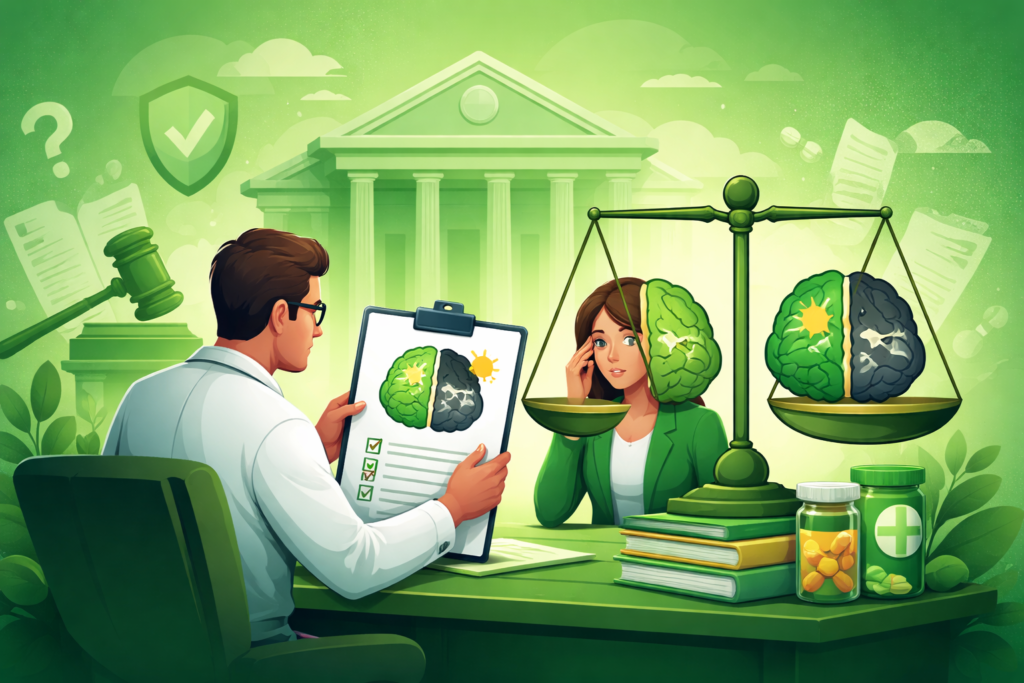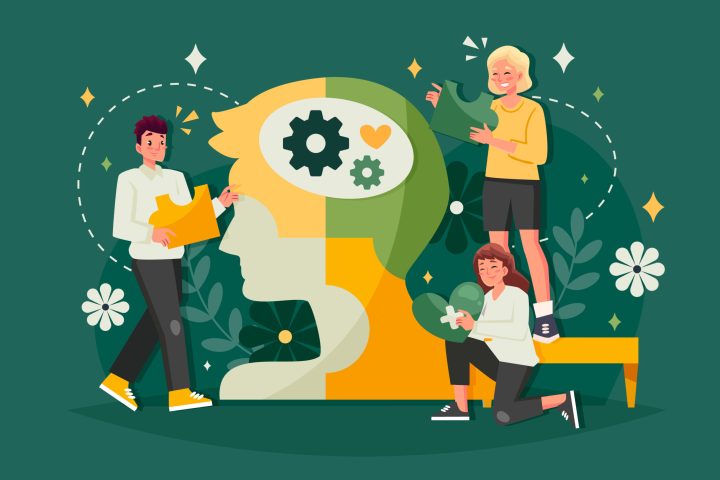

Mental health is a social issue because it affects communities deeply. It impacts relationships, productivity, and overall well-being.
Mental health problems do not only affect individuals but also ripple through society. When someone struggles with mental health, their family, friends, and colleagues often feel the strain. These issues can lead to social withdrawal, job loss, and even homelessness.
Moreover, the stigma surrounding mental health can prevent people from seeking the help they need. This makes it a widespread concern that transcends personal boundaries. Understanding why mental health is a social issue is essential. It helps us recognize the importance of collective efforts in providing support, reducing stigma, and creating a healthier society for everyone.

Introduction To Mental Health
Mental health involves our emotional, psychological, and social well-being. It affects how we think, feel, and act in daily life. Understanding mental health is crucial because it influences our handling of stress, relationships, and decision-making.
Mental health problems can range from mild to severe. They include conditions like depression, anxiety, and bipolar disorder. Addressing these issues is important for leading a healthy, productive life.
Importance Of Mental Health
Mental health impacts all areas of life. It affects our thoughts, emotions, and behaviors. Poor mental health can lead to problems at work, school, and in relationships. It can also lead to physical health issues.
Good mental health helps people cope with stress and build strong relationships. It promotes productivity and a sense of fulfillment. This is why mental health is a key component of overall well-being.
Historical Perspectives
Throughout history, people have viewed mental health in different ways. In ancient times, mental illness was often misunderstood and feared. Treatments were primitive and sometimes harmful.
In the 19th century, mental health care began to improve. Institutions were established to care for people with mental illnesses. However, these institutions often faced issues of overcrowding and poor conditions.
Today, there is a greater understanding of mental health. Advances in science have improved diagnosis and treatment. Society is beginning to recognize the importance of mental health and the need to address it as a social issue.
| Era | View on Mental Health | Treatment Approach |
|---|---|---|
| Ancient Times | Misunderstood and feared | Primitive and harmful |
| 19th Century | Emerging understanding | Institutional care |
| Modern Day | Greater understanding | Scientific and holistic |
Stigma And Discrimination
Mental health issues are deeply intertwined with stigma and discrimination. These social factors often prevent people from seeking the help they need. Stigma and discrimination can lead to isolation, shame, and a lack of support. Understanding their impact is crucial to improving mental health outcomes.
Impact Of Stigma
Stigma around mental health can cause many problems. It often makes people feel ashamed. They may hide their struggles due to fear of judgment. This can delay or stop them from getting help. Stigma can also lead to misinformation. Many people believe false ideas about mental health issues. This can make it hard to talk openly about mental health.
People facing stigma may lose hope. They might start to believe the negative labels. This can worsen their condition. Stigma affects families too. Loved ones might feel embarrassed or worried about what others think. This can create a lack of support for the person in need.
Efforts To Reduce Discrimination
Efforts to reduce mental health discrimination are essential. Education plays a big role. Teaching people about mental health can change minds. Schools and workplaces are starting to offer more training. These programs help people understand mental health better.
Public awareness campaigns are also important. They aim to spread positive messages. These campaigns can show that mental health issues are common. They help to normalize seeking help. Celebrities and influencers speaking out can also make a big impact. Their stories can inspire others to seek help without fear.
Support groups and community programs provide safe spaces. People can share their stories and experiences. These groups foster understanding and empathy. They help to break down barriers and build support networks.
Access To Mental Health Care
Access to Mental Health Care is essential for ensuring the well-being of individuals and communities. Unfortunately, many people face challenges when trying to get the mental health support they need. These obstacles can prevent them from seeking help, leading to worsening conditions and diminished quality of life.
Barriers To Access
Several barriers make it difficult for individuals to access mental health care. These include:
- Financial constraints: High costs of therapy and medication can be prohibitive.
- Stigma: People may feel ashamed or afraid to seek help.
- Lack of awareness: Many do not recognize the signs of mental health issues.
- Limited availability: Rural areas may lack mental health professionals.
- Insurance coverage: Some plans do not cover mental health services.
Improving Mental Health Services
To improve access to mental health care, several steps can be taken:
- Increase funding: Governments and organizations should allocate more resources to mental health.
- Reduce stigma: Public awareness campaigns can help normalize seeking help.
- Expand services: Telehealth options can reach more people, especially in remote areas.
- Training: More mental health professionals should be trained to meet the demand.
- Insurance reform: Policies must ensure that mental health services are covered adequately.
Addressing these issues can help ensure that everyone has access to the mental health care they need, promoting a healthier, more resilient society.
Socioeconomic Factors
Understanding why mental health is a social issue involves looking at various socioeconomic factors. These factors play a significant role in the mental well-being of individuals. They can either support or hinder mental health. Let’s explore two critical aspects: poverty and employment.
Poverty And Mental Health
Living in poverty affects mental health in many ways. People in low-income groups often face chronic stress. They worry about basic needs like food, shelter, and healthcare. This stress can lead to anxiety and depression.
Additionally, poor individuals have less access to mental health services. They may live far from clinics or lack health insurance. This lack of access makes it harder to get help when needed.
Children in poverty are also at risk. They may experience higher levels of stress and trauma. These experiences can affect their mental health as they grow older.
Employment And Job Security
Employment provides financial stability. It also gives a sense of purpose. But job insecurity can have the opposite effect. It can lead to stress and anxiety.
Those without stable jobs worry about their future. They may face financial troubles. This instability can harm their mental health.
Even those with jobs are not immune. A stressful work environment can cause mental health issues. Long hours, high demands, and lack of support can lead to burnout and depression.
Here is a table summarizing the impact of socioeconomic factors on mental health:
| Factor | Impact on Mental Health |
|---|---|
| Poverty | Increased stress, anxiety, depression, limited access to services |
| Job Insecurity | Stress, anxiety, financial instability |
| Stressful Work Environment | Burnout, depression |
Impact On Families And Communities
Mental health issues extend beyond the individual. They affect families and communities. Understanding this impact is crucial. It helps in creating effective support systems. Below, we explore how mental health challenges influence family dynamics and community support systems.
Family Dynamics
Mental health problems can strain family relationships. Parents, siblings, and children may feel overwhelmed. Emotional stress can lead to conflicts. Communication often becomes difficult. Family members may not know how to help. This can create a sense of helplessness. The emotional toll can be significant. It can affect work, school, and social life.
Community Support Systems
Communities play a vital role in mental health. Support networks can provide crucial help. This includes friends, neighbors, and local organizations. Strong community support can reduce isolation. It can offer resources and services. Group activities and counseling can be beneficial. They help individuals feel connected. Effective community programs can also raise awareness. They can educate people about mental health. This reduces stigma and promotes understanding.
Mental Health In Schools And Workplaces
Mental health impacts everyone, and its effects are profound in schools and workplaces. These environments shape our daily lives and overall well-being. Addressing mental health in these settings can foster a supportive and productive atmosphere for students and employees alike.
Student Mental Health
Students often face a range of pressures, from academic expectations to social dynamics. Schools play a crucial role in supporting their mental health. Here are some ways schools can help:
- Counseling Services: Offering access to trained counselors for emotional support.
- Mental Health Education: Teaching students about mental health, coping strategies, and where to seek help.
- Peer Support Programs: Creating peer-led initiatives where students can share experiences and support each other.
- Stress Management Workshops: Providing workshops on managing stress and anxiety.
Implementing these programs can create a positive school environment. It helps students feel safe and understood. Schools that prioritize mental health see better academic outcomes and happier students.
Workplace Mental Health Programs
Workplaces also have a significant impact on mental health. Employers can support their employees through various initiatives:
- Employee Assistance Programs (EAPs): Offering confidential counseling and support services.
- Mental Health Training: Training managers and staff to recognize and address mental health issues.
- Flexible Working Hours: Allowing flexible schedules to help employees manage work-life balance.
- Wellness Programs: Providing activities like yoga, meditation, and fitness classes to reduce stress.
These programs foster a healthier work environment. Employees who feel supported are more productive and engaged. They are also less likely to experience burnout.
Table: Comparison of Mental Health Programs in Schools and Workplaces
| Aspect | Schools | Workplaces |
|---|---|---|
| Counseling Services | Available for students | Available for employees |
| Education | Mental health education | Mental health training |
| Support Programs | Peer support programs | Employee assistance programs |
| Wellness Activities | Stress management workshops | Wellness programs |
Supporting mental health in schools and workplaces is essential. It helps individuals thrive and contributes to a healthier society.
Role Of Media And Social Media
Understanding mental health as a social issue requires examining the role of media and social media. These platforms shape our perceptions and influence our behaviors. The media’s portrayal of mental health and the impact of social media can both positively and negatively affect public opinion. This part of the blog will explore how media and social media contribute to mental health awareness and misconceptions.
Media Representation
Media representation plays a significant role in shaping public views on mental health. TV shows, movies, and news often depict mental illness inaccurately. These portrayals can lead to stigma and misunderstanding. Characters with mental health issues are sometimes shown as dangerous or unpredictable. This misrepresentation creates fear and bias among viewers. Positive and accurate portrayals are less common but can help reduce stigma. They can educate the audience about real mental health experiences.
Social Media Influence
Social media’s influence on mental health is profound. It connects people and offers support. Many share their mental health journeys online. This sharing fosters a sense of community and understanding. Yet, social media can also harm mental health. Constant exposure to idealized lives can lead to feelings of inadequacy. Cyberbullying and online harassment add to the stress. Balance and awareness are key to navigating social media’s impact on mental health.
Policy And Legislation
Understanding mental health as a social issue involves looking at the policies and legislation that shape our society. Government initiatives and legal protections play a vital role in addressing mental health challenges. They ensure individuals receive the care and support they need.
Government Initiatives
Governments worldwide recognize the importance of mental health. They implement various initiatives to support mental well-being. These initiatives include:
- Increasing funding for mental health services
- Launching public awareness campaigns
- Creating community support programs
These actions aim to reduce the stigma around mental health. They also strive to make services more accessible to everyone.
Legal Protections
Legal protections ensure that individuals with mental health conditions are treated fairly. Laws protect their rights and help prevent discrimination. Key legal protections include:
- Anti-discrimination laws: These laws prohibit discrimination in workplaces, schools, and other settings.
- Access to care: Legislation mandates that mental health services are covered by insurance.
- Privacy laws: These laws protect the confidentiality of individuals’ mental health information.
These protections help create a more inclusive society. They ensure that mental health is treated with the same importance as physical health.
Cultural And Ethnic Considerations
Mental health is influenced by cultural and ethnic backgrounds. These factors shape how individuals perceive and address mental health issues. Understanding these differences can lead to better support and care for diverse communities. Recognizing cultural and ethnic considerations is crucial in addressing mental health as a social issue.
Cultural Attitudes
Cultural attitudes play a big role in how mental health is viewed. In some cultures, mental health issues are seen as a sign of weakness. This belief can prevent individuals from seeking help. Others might interpret symptoms differently. For example, some cultures might view depression as laziness or lack of faith.
Stigma around mental health can lead to shame. This prevents open discussion and support. Understanding these attitudes is key. It helps in creating effective awareness campaigns. It also ensures that the message resonates with the community.
Ethnic Disparities In Care
Ethnic disparities in mental health care are a significant issue. Minority groups often face barriers to accessing care. These barriers include language differences, lack of resources, and mistrust of medical professionals. They may also experience discrimination within healthcare settings.
These factors result in unequal treatment and care. Minority groups may receive less effective treatments. They might also be less likely to receive a diagnosis. Addressing these disparities requires a multifaceted approach. It includes providing culturally competent care and increasing access to mental health services.
Future Directions
Mental health affects relationships, work, and community well-being. Ignoring it can lead to social issues and economic costs. Addressing mental health promotes a healthier, more productive society.
Mental health is a critical social issue that requires innovative solutions. Addressing it effectively means looking towards future directions. This includes embracing new technologies and learning from global perspectives.
Innovations In Mental Health
Innovations in mental health are bringing new hope. Teletherapy has become more popular. It provides access to therapy from home. This is essential for those in remote areas. Apps for mental health are also growing. They offer support and resources on your phone. Virtual reality therapy is another exciting development. It helps people face their fears in a safe environment. AI is also being used in mental health care. It can analyze patterns and predict crises. This helps professionals intervene early.

Global Perspectives
Different countries approach mental health in unique ways. In Japan, workplace stress is a big issue. Companies are now offering counseling services. This helps employees manage their stress better. In India, community support is very strong. Local groups provide mental health support. They use traditional practices along with modern therapy. In Africa, mental health is often stigmatized. Efforts are being made to educate people. This helps reduce the stigma and encourages people to seek help. These global perspectives show that mental health is a universal issue. Learning from each other can lead to better solutions for all.
Frequently Asked Questions (FAQs)
1. What Makes Mental Health A Social Issue?
- Mental health affects society, impacting relationships, work, and community well-being.
2. How Does Mental Health Affect Communities?
- Poor mental health can lead to crime, homelessness, and strained community resources.
3. Why Is Mental Health Awareness Important?
- Awareness reduces stigma, encourages treatment, and promotes healthier communities.
4. How Can Society Support Mental Health?
- Provide education, resources, and support systems for those in need.
5. What Are Common Barriers To Mental Health Care?
- Stigma, cost, and lack of access prevent many from seeking help.
Conclusion
Mental health is a critical social issue. It affects everyone. Understanding and addressing it can improve lives. Communities must support mental health initiatives. Proper education reduces stigma. Accessible care is essential for all. Together, we can make a difference. Let’s prioritize mental health today.
Every action counts. Every person matters.