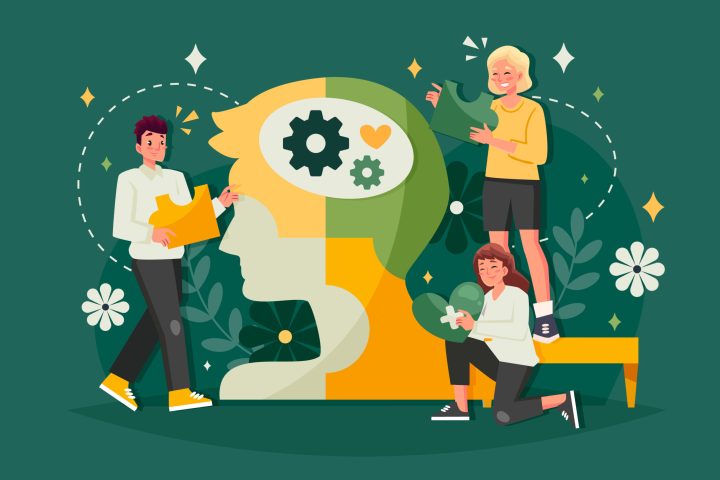

Men’s Mental Health Month often goes unnoticed. This raises concerns about awareness and support for men’s mental health issues.
Despite increasing conversations about mental health, the challenges faced by men often receive far less attention. Deep-rooted cultural norms and stereotypes encourage men to appear strong, self-reliant, and emotionally reserved, making it difficult for many to seek support when they need it. These expectations can create pressure to cope alone, leading to silent struggles that often go unnoticed.
The limited recognition given to men’s mental well-being during dedicated awareness periods reflects wider societal attitudes. When these issues remain overlooked, opportunities for understanding, prevention, and support are lost. Creating space for honest dialogue and education can help break down stigma and encourage healthier coping strategies.

Stigma Around Men’s Mental Health
The stigma surrounding men’s mental health is a significant issue. Many men suffer in silence because they feel ashamed. Society often expects men to be strong and unemotional. This prevents them from seeking help when they need it most.
Cultural Expectations
Men are often raised with certain cultural expectations. They are taught to be tough and resilient. Crying or showing vulnerability is seen as weakness. This mindset starts in childhood and continues into adulthood. Men feel pressured to “man up” and handle problems alone. These expectations can harm their mental well-being.
Misconceptions
There are many misconceptions about men’s mental health. One common myth is that men do not suffer from mental health issues as much as women. This belief is false. Men are less likely to talk about their feelings. But they experience the same mental health challenges.
Another misconception is that seeking help makes men weak. In reality, asking for help is a sign of strength. It takes courage to admit you need support. These misconceptions stop men from getting the help they need. It is time to change this narrative.
Societal Pressure On Men
Men face immense societal pressure. This often leads to ignoring their mental health needs. Many feel forced to conform to outdated stereotypes. This results in men hiding their struggles.
Traditional Gender Roles
Traditional gender roles dictate that men should be strong. They should be the providers and protectors. Showing emotions is seen as a sign of weakness. This expectation discourages men from seeking help. Men often suppress their feelings to fit this mold.
- Men are taught to be tough from a young age.
- Emotional expression is often discouraged in boys.
- Many believe that seeking help is unmanly.
Fear Of Vulnerability
The fear of vulnerability is another significant factor. Men often fear being judged or ridiculed. They worry about being seen as weak or incapable. This fear stops many from opening up about their mental health.
- Fear of appearing weak
- Concern about being judged
- Worry about social stigma
Mental health issues remain hidden due to this fear. This leads to untreated mental health problems. Men continue to suffer in silence.
Lack Of Awareness
Men’s Mental Health Month often goes unnoticed. One key reason is the lack of awareness. Many people do not realize the importance of men’s mental health. Men face unique mental health challenges. Society often overlooks these issues.
Media Representation
Media plays a vital role in shaping public awareness. Unfortunately, men’s mental health rarely gets proper coverage. Stories about men’s struggles are often missing. This lack of representation leads to limited public knowledge.
Media often portrays men as strong and unemotional. This stereotype discourages men from seeking help. It also makes it harder for society to understand men’s mental health needs.
Educational Gaps
Schools and educational programs often neglect mental health education. When they do cover mental health, men’s issues are rarely highlighted. This gap leaves young men without proper guidance.
Educators need to include men’s mental health in their curriculum. This will help young men understand their mental health better. It will also encourage them to seek help when needed.
Mental Health Resources
Mental Health Resources are vital for everyone, but Men’s Mental Health Month often gets overlooked. Men frequently face unique challenges in accessing these resources. Understanding the availability and accessibility of mental health services can shed light on why this month is ignored. Let’s dive deeper into these aspects.
Availability Of Services
Despite growing awareness, many regions still lack adequate mental health services. Men might struggle to find specialized support. Here are some key areas where services fall short:
- Rural Areas: Limited access to mental health professionals.
- Workplace Programs: Few companies offer mental health support.
- Community Support: Scarcity of men’s mental health groups.
In cities, services are more plentiful, but the demand is high. Many men find it hard to get timely appointments. This discourages them from seeking help.
Accessibility Issues
Even when services are available, accessibility remains a significant hurdle. Men face various barriers:
- Stigma: Fear of being judged for seeking help.
- Cost: High therapy and counseling fees.
- Time: Long waiting periods for appointments.
Another issue is awareness. Many men are unaware of the resources that exist. Public health campaigns often fail to reach or resonate with men. This lack of outreach contributes to the neglect of Men’s Mental Health Month.
To bridge these gaps, we need more targeted efforts. Improving both the availability and accessibility of mental health resources can make a difference.
Impact Of Ignoring Men’s Mental Health
Ignoring men’s mental health has serious consequences. The stigma surrounding mental health affects men deeply. This neglect can lead to severe outcomes. Let’s explore the impact of ignoring men’s mental health.
Suicide Rates
Men have higher suicide rates than women. According to statistics, men account for 75% of all suicides. This is alarming. Ignoring men’s mental health issues contributes to this tragedy. Men often feel they cannot express their emotions. They fear being seen as weak. This can lead to feelings of isolation and hopelessness. Early intervention and support can reduce these numbers. Encouraging men to seek help is crucial.
Substance Abuse
Substance abuse is another major issue. Many men turn to alcohol or drugs. This is a way to cope with their mental health problems. Studies show men are more likely to develop substance abuse disorders. This is a dangerous cycle. Substance abuse often worsens mental health issues. It can lead to addiction, job loss, and broken relationships. Ignoring men’s mental health only makes these problems worse.
Addressing men’s mental health can save lives. It can improve the quality of life for many. We must take this issue seriously.
Role Of Healthcare Providers
Healthcare providers play a crucial role in addressing men’s mental health issues. They are often the first point of contact for men seeking help. Their approach can significantly impact men’s willingness to discuss their mental health.
Training And Education
Many healthcare providers lack specific training in men’s mental health. This can lead to a gap in understanding the unique challenges men face. Providers need targeted education and training on men’s mental health issues. This includes recognizing signs of depression, anxiety, and other mental health disorders that might manifest differently in men.
Training programs should also cover effective communication strategies. Men often have a harder time expressing their emotions. Providers need to learn how to ask the right questions and create a safe environment for male patients.
Approach To Male Patients
The approach to male patients needs to be sensitive and understanding. Men may feel uncomfortable discussing their mental health due to societal norms and stigma. Providers should be aware of these barriers and work to create a more welcoming atmosphere.
Here are some key strategies:
- Active Listening: Pay full attention to what the patient is saying.
- Non-Judgmental Attitude: Avoid making assumptions or judgments.
- Encouragement: Encourage men to express their feelings and concerns.
Creating a trustful and open relationship can help men feel more comfortable discussing their mental health.
| Strategy | Benefits |
|---|---|
| Active Listening | Helps patients feel heard and understood. |
| Non-Judgmental Attitude | Reduces feelings of shame or embarrassment. |
| Encouragement | Boosts confidence to share personal issues. |
Men’s Mental Health In The Workplace
Men’s mental health in the workplace is often overlooked. Many men face unique challenges that impact their mental well-being. These challenges are frequently ignored or misunderstood. Addressing men’s mental health at work is crucial for overall productivity and job satisfaction.
Workplace Culture
Workplace culture plays a significant role in men’s mental health. Many workplaces still promote a “tough guy” attitude. Men feel pressured to hide their emotions. This can lead to stress and burnout. A supportive culture encourages open conversations about mental health. It reduces stigma and promotes well-being.
Support Systems
Support systems are essential for men’s mental health. Many men lack access to proper support at work. This includes mental health resources and peer support groups. Companies should offer counseling services and create safe spaces. This helps men feel comfortable seeking help. Strong support systems can improve mental health outcomes.
Personal Stories
Personal stories can shed light on why Men’s Mental Health Month often goes unnoticed. These stories provide real-world insights and highlight the struggles and triumphs of men dealing with mental health issues. They help break the silence and stigma surrounding men’s mental health.
First-person Accounts
John, a 35-year-old father, shares his battle with depression. He felt isolated, unable to express his feelings. Society’s expectations of men being strong made it hard for him to seek help. John eventually reached out to a friend. That small step changed his life.
Mark, a veteran, talks about his PTSD experience. After returning from service, he felt disconnected and anxious. He struggled for years, feeling ashamed to ask for help. Finally, he joined a support group. Mark found others who understood his pain. This helped him start his healing journey.
Recovery Journeys
James, a successful lawyer, describes his recovery from anxiety. He faced immense pressure at work, leading to panic attacks. Therapy and mindfulness exercises became his tools for recovery. James now shares his story to inspire others.
David, a college student, overcame his battle with bipolar disorder. He faced mood swings and felt lost. Medication and counseling helped him find stability. David now advocates for mental health awareness on campus.
These personal stories highlight the importance of acknowledging Men’s Mental Health Month. They show the power of speaking up and seeking help. Each story is a beacon of hope, encouraging others to take the first step towards recovery.
Breaking The Silence
Men’s Mental Health Month is often overlooked. This month is important for raising awareness. Too many men suffer in silence. They don’t seek help due to stigma. This needs to change. Breaking the silence is the first step.
Encouraging Conversations
Talking openly about mental health is essential. It can be hard for men to start. Encourage open conversations. Ask simple questions like, “How are you feeling?” Listen to their responses. Don’t judge. Just listen.
Share your own struggles. This helps others feel less alone. It can be a relief to know they’re not the only ones. Use supportive language. Be patient. This can make a big difference.
Support Networks
Support networks are vital. They provide a sense of belonging. Men need to feel they are not alone. Friends, family, and community groups can help. Encourage joining groups or clubs. These can provide a safe space to talk.
Professional help is also important. Therapists and counselors can provide the right support. Don’t be afraid to suggest this. It can be a life-changing step. Building a strong support network takes time, but it is worth it.

Future Directions
Men’s Mental Health Month often goes unnoticed. It’s crucial to address this issue. We need to take steps for better recognition and support. Here are some future directions we can take.
Policy Changes
Governments can play a big role in this. Policies should include:
- Funding for mental health programs: Allocate more funds for men’s mental health.
- Awareness campaigns: Run campaigns to remove stigma and spread awareness.
- Workplace mental health policies: Ensure workplaces have mental health support systems.
Policies can create a supportive environment. They can also make mental health services more accessible.
Community Initiatives
Communities can also help. Here are some initiatives:
- Support groups: Create local support groups for men.
- Workshops: Hold workshops on mental health and stress management.
- Community events: Organize events to promote mental well-being.
Communities can offer a safe space. This can encourage men to seek help and share their experiences.
Frequently Asked Questions (FAQs)
1. Why Is Men’s Mental Health Month Important?
- Men’s Mental Health Month raises awareness about mental health issues men face. It promotes seeking help and reduces stigma.
2. What Are Common Mental Health Issues Men Face?
- Men often face depression, anxiety, and stress. They may also struggle with substance abuse and PTSD.
3. Why Don’t Men Talk About Mental Health?
- Men may avoid discussing mental health due to stigma. They fear judgment and believe they should be strong.
4. How Can We Support Men’s Mental Health?
- Listen without judging. Encourage seeking help. Promote open conversations about feelings and mental health.
5. What Are Signs Of Mental Health Issues In Men?
- Changes in mood, sleep, or behavior. Increased anger or irritability. Loss of interest in activities.
Conclusion
This awareness period deserves far more recognition. When men’s well-being is ignored, countless individuals are affected. Increased understanding and accessible support can make a real difference, and open conversations help challenge long-standing stigma. Encouraging men to reach out for help is an essential step toward healthier lives.
Share information and resources. Let’s prioritize men’s mental health today. Together, we can create change.