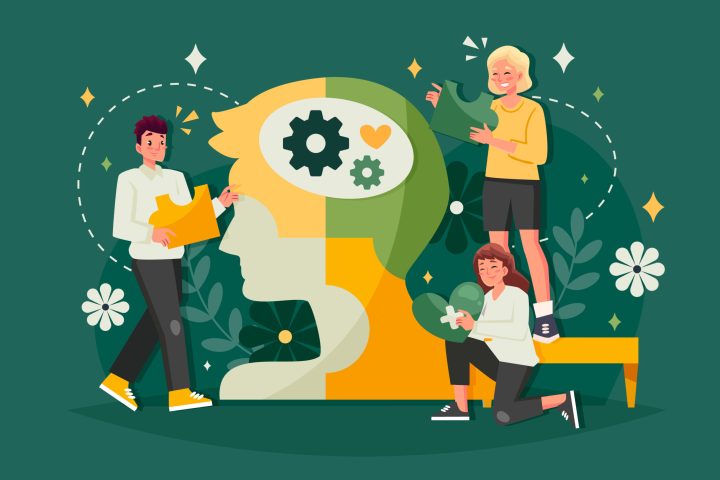

Mental health check-ins are essential for our well-being. They help us stay aware of our emotional state and improve our mental health.
In our busy lives, we often overlook mental health. Stress, anxiety, and depression can go unnoticed. Regular mental health check-ins can change that. They allow us to address issues early and seek help if needed. This practice can lead to better emotional balance and a healthier life.
In this blog post, we’ll explore the importance of mental health check-ins. We’ll discuss how they benefit us and how to incorporate them into our daily routine. Understanding these benefits can lead to a happier and more balanced life. Let’s dive in and see why mental health check-ins matter so much.

Introduction To Mental Health Check-ins
Keeping track of your mental health is important. Mental health check-ins help you understand your feelings. They also help you manage stress better. Regular check-ins can improve your overall well-being.
Importance Of Mental Health
Mental health affects every part of your life. It influences your thoughts, emotions, and actions. Good mental health helps you cope with stress. It also helps you work productively and make meaningful contributions to your community.
Ignoring mental health can lead to serious issues. These issues can affect your physical health and relationships. Regular check-ins can prevent problems before they start. They help you stay on top of your mental health.
Defining Mental Health Check-ins
Mental health check-ins are simple. They involve taking time to assess your mental state. You ask yourself questions about your feelings and thoughts. You can do this daily, weekly, or as needed.
Here are some questions to ask during a check-in:
- How am I feeling right now?
- What thoughts are going through my mind?
- What is causing me stress?
- What can I do to improve my mood?
These questions help you understand your mental state better. They allow you to take action if you need help. Regular check-ins can lead to better mental health management.
Benefits Of Regular Check-ins
Regular mental health check-ins can be very beneficial. They promote overall well-being. These check-ins help identify issues early. They also improve emotional awareness. Let’s explore these benefits further.
Early Detection Of Issues
Regular check-ins help spot problems before they grow. Early detection is crucial for effective treatment. Small issues can be managed easily. They don’t turn into bigger problems. This preventive approach saves time and stress.
For example, noticing early signs of anxiety can prompt action. This might include talking to a counselor or making lifestyle changes. Early intervention often leads to better outcomes.
| Benefit | Description |
|---|---|
| Early Detection | Identifies issues before they worsen |
| Effective Treatment | Small issues are easier to manage |
Improved Emotional Awareness
Check-ins increase emotional awareness. Understanding your emotions is key to mental health. It helps you recognize how you feel. This awareness can guide your actions.
Keeping a journal can be a useful tool. Write down your feelings regularly. This helps track your emotional state over time. You might notice patterns. Perhaps stress peaks on certain days. With this knowledge, you can take steps to manage it better.
- Recognize patterns in emotions
- Guide actions based on emotional state
- Track progress over time
Improved emotional awareness can enhance relationships. It helps you communicate better with others. Sharing your feelings becomes easier. This leads to stronger, healthier connections.
How To Conduct A Mental Health Check-in
Mental health check-ins are essential for maintaining emotional well-being. They help identify stressors, improve mental clarity, and foster emotional resilience. Understanding how to conduct a mental health check-in can empower you to take better care of your mind and emotions.
Self-assessment Techniques
Self-assessment is a crucial part of mental health check-ins. It helps you understand your emotions and identify areas of concern. Here are some effective self-assessment techniques:
- Journaling: Write down your thoughts and feelings daily. Reflect on what makes you happy or stressed.
- Mindfulness: Practice mindfulness exercises. Focus on your breathing and observe your thoughts without judgment.
- Emotion Tracking: Use apps or a diary to track your mood. Note any patterns or triggers.
- Self-Reflection Questions: Ask yourself questions like, “How do I feel today?” or “What can I do to improve my mood?”
Professional Assistance
Sometimes, self-assessment isn’t enough. Professional assistance can provide deeper insights and support. Here are ways to seek professional help:
- Therapy Sessions: Consult a licensed therapist. They offer personalized strategies and coping mechanisms.
- Support Groups: Join support groups. Share experiences and gain perspectives from others facing similar challenges.
- Online Counseling: Utilize online counseling services. They provide flexibility and accessibility to professional help.
- Regular Check-Ups: Schedule regular mental health check-ups with a healthcare provider. They can monitor your progress and adjust treatment plans if needed.
By using these techniques and seeking professional help, you can effectively manage and improve your mental health.
Tools And Resources
Mental health check-ins are vital. They help maintain emotional well-being. Many tools and resources can support these check-ins. They provide various ways to track and improve mental health.
Apps And Online Platforms
Apps and online platforms offer easy ways to monitor mental health. They provide tools for tracking mood and stress levels. Some apps include guided meditation and breathing exercises. Online platforms often have forums for support and advice.
These resources are accessible from anywhere. This makes them convenient. Many apps also offer reminders to check in with yourself. This helps create a regular routine for mental health care.
Workshops And Seminars
Workshops and seminars are another great resource. They provide opportunities to learn about mental health. Experts often lead these sessions. They offer valuable insights and tips.
Workshops can cover various topics. Stress management, mindfulness, and coping strategies are common subjects. Seminars often include interactive activities. These help participants practice new skills in a supportive environment.
Common Barriers
Mental health check-ins often face common barriers like stigma and lack of awareness. These barriers can prevent people from seeking help. Regular check-ins can encourage open conversations and reduce these obstacles.
Mental health check-ins are crucial. They help identify issues early. Yet, many avoid them. Why? Common barriers stand in the way. These barriers can be internal or external. Understanding them is the first step to overcoming them.
Stigma Around Mental Health
Stigma is a big barrier. People fear judgment. They worry about labels. This fear stops them from seeking help. They keep their struggles hidden. This can worsen their mental health. Society often views mental health issues negatively. This negative view creates shame. People feel weak if they admit they need help. Breaking this stigma is vital. It encourages open conversations. It allows people to seek help without fear.
Lack Of Awareness
Many do not understand mental health. They may not recognize symptoms. This lack of awareness can delay seeking help. Education is key. It helps people know what to look for. It teaches them the importance of mental health check-ins. Schools and workplaces can play a role. They can provide information and resources. Awareness can lead to early intervention. Early intervention can prevent bigger problems.
Creating A Supportive Environment
Creating a supportive environment is crucial for mental health check-ins. It helps in fostering trust and understanding among individuals. A supportive atmosphere can make people feel safe to express their feelings. This can improve overall mental well-being.
Encouraging Open Communication
Open communication is key to a supportive environment. It allows individuals to share their thoughts without fear. This can help in identifying mental health issues early on. Encourage regular discussions about feelings and experiences. Make sure everyone feels heard and valued.
Promoting Mental Health Education
Mental health education is essential in a supportive environment. It provides knowledge about mental health issues and their signs. Educated individuals can better support each other. Offer workshops or resources on mental health topics. This can lead to a more informed and empathetic community.
Role Of Employers
Employers play a crucial role in supporting mental health. Regular check-ins can help identify issues early. This leads to a healthier and more productive workforce. Let’s explore two key ways employers can support mental health.
Workplace Wellness Programs
Workplace wellness programs offer many benefits. They provide resources to help employees manage stress. These programs often include activities like yoga or meditation. They can also offer mental health workshops. Such programs show that employers care about their staff’s well-being. This can boost morale and reduce absenteeism. Employees feel valued and supported.
Employee Assistance Programs
Employee Assistance Programs (EAPs) are another vital resource. EAPs offer confidential support for personal and work-related issues. They often provide counseling services for mental health concerns. Employees can access these services at no cost. This makes it easier for them to seek help. Employers who offer EAPs show a commitment to their staff’s mental health. This can lead to a more engaged and loyal workforce.
Integrating Check-ins In Daily Life
Incorporating mental health check-ins into your daily routine can bring numerous benefits. These check-ins help you monitor your emotional well-being and address concerns promptly. Here are some practical ways to make mental health check-ins a part of your everyday life.
Setting Reminders
Setting reminders can be a helpful tool for consistent check-ins. Use your phone or a calendar to schedule these moments. Here are a few ideas:
- Morning Routine: Start your day with a quick self-assessment.
- Lunchtime Break: Take a few minutes to reflect on your emotions.
- Evening Wind Down: Review your day before going to bed.
Regular reminders ensure you don’t overlook your mental health.
Making It A Routine
Turning check-ins into a habit can make them more effective. Here are steps to integrate them seamlessly:
- Choose a Time: Pick moments that work best for you.
- Be Consistent: Stick to the same times daily.
- Keep it Simple: Ask basic questions like, “How am I feeling?” or “What can I do for myself today?”
Creating a routine helps make mental health check-ins a natural part of your day.
| Time of Day | Activity |
|---|---|
| Morning | Self-assessment |
| Afternoon | Reflection |
| Evening | Review |
Integrating mental health check-ins into your daily life can lead to better emotional well-being. Setting reminders and making it a routine are simple yet effective steps.
Personal Stories And Testimonials
Personal stories and testimonials provide an authentic look into the importance of mental health check-ins. Real experiences bring a deeper understanding and connect us all.

Experiences From Individuals
Many people have shared their experiences with mental health check-ins. Here are a few:
- John: “Regular check-ins helped me manage stress better. I feel more in control.”
- Sarah: “I used to ignore my feelings. Check-ins taught me to acknowledge them.”
- Michael: “Talking about my emotions made me feel less alone.”
These stories highlight the positive impact of recognizing and addressing mental health.
Impact On Overall Well-being
Regular mental health check-ins can significantly improve overall well-being. Here are some benefits:
| Aspect | Benefit |
|---|---|
| Emotional | Reduces stress and anxiety |
| Physical | Improves sleep and energy levels |
| Social | Enhances relationships and communication |
These benefits show how mental health check-ins contribute to a balanced life. Individuals who take the time to check in with their mental state often find themselves feeling more grounded and connected.
Future Of Mental Health Check-ins
The future of mental health check-ins holds immense promise. As technology advances, new methods and tools emerge. These innovations aim to provide better support and understanding for individuals. Let’s explore some of these innovative approaches and potential challenges.
Innovative Approaches
Telehealth Services are becoming more popular. People can now connect with therapists online. This makes mental health support accessible from home.
Wearable Technology like smartwatches can monitor stress levels. They can give real-time feedback and suggest relaxation techniques.
AI Chatbots provide 24/7 support. They can help users through difficult times. These bots use advanced algorithms to offer personalized advice.
Virtual Reality (VR) is also making strides. VR can create calming environments. This helps users practice mindfulness and reduce anxiety.
Potential Challenges
Privacy Concerns are a major issue. Users need to trust that their data is secure. Companies must ensure robust data protection.
Accessibility can be a hurdle. Not everyone has access to advanced technology. It’s essential to create solutions for all demographics.<p
Cost is another factor. High-tech solutions might be expensive. This can limit their availability to a wider audience.
Human Touch remains irreplaceable. Technology can assist but not replace human empathy. Therapists and counselors still play a vital role.
Technical Issues can disrupt services. Reliable internet and functioning devices are crucial. Any interruption can affect the effectiveness of these tools.
In summary, the future of mental health check-ins looks bright with innovative approaches. Yet, overcoming the potential challenges is vital for success.
Frequently Asked Questions (FAQs)
1. What Is A Mental Health Check-in?
- A mental health check-in is a quick self-assessment. It helps you understand your feelings and thoughts.
2. How Often Should You Do Mental Health Check-ins?
- Weekly check-ins are ideal. They help you stay in touch with your mental state.
3. Why Are Mental Health Check-ins Important?
- They help you identify stress early. This prevents bigger mental health issues later on.
4. What Questions Should You Ask During A Mental Health Check-in?
- Ask about your mood, stress levels, and energy. Reflect on your thoughts and feelings.
5. Can Mental Health Check-ins Improve Overall Well-being?
- Yes, they can. Regular check-ins help you stay aware and manage your mental health better.
Conclusion
Regular mental health check-ins are essential. They help maintain emotional balance. You can catch early signs of stress and anxiety. Addressing issues early prevents them from growing. Regular check-ins also build self-awareness. You understand your feelings better. This knowledge fosters better coping strategies.
It’s an investment in your well-being. Make mental health check-ins a habit. Your future self will thank you. Small steps lead to big changes. Prioritize your mental health today.