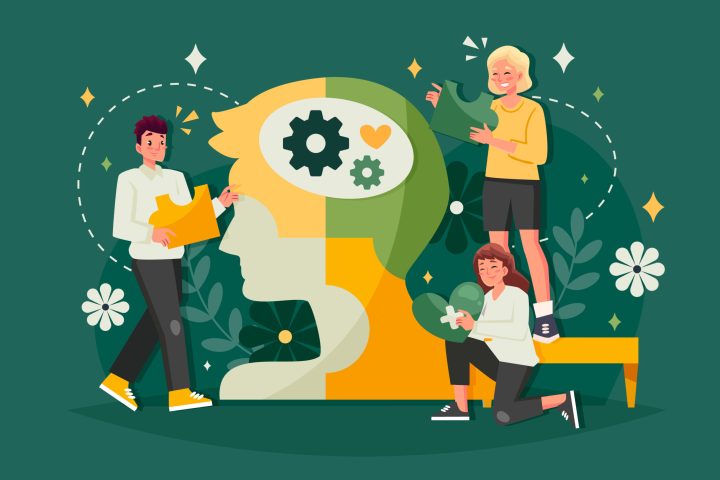

Mental health coaching is a support service for mental well-being. It helps individuals manage stress and emotional challenges.
Mental health coaching focuses on improving mental health through guidance and support. Coaches use various techniques to help individuals develop healthy habits and strategies. Unlike therapy, coaching is action-oriented and future-focused. It aims to empower people to take control of their mental well-being.
This service is beneficial for anyone looking to improve their mental health, cope with stress, or make positive life changes. Mental health coaches provide a safe space to explore feelings and set achievable goals. By working with a coach, individuals can gain clarity, confidence, and motivation to improve their overall mental health.
Introduction To Mental Health Coaching
Mental health coaching is a growing field that supports mental wellness. It uses practical methods to help people improve their mental health.
Coaching helps individuals find balance and cope with life’s challenges. Let’s explore what mental health coaching is and its importance.

Definition
Mental health coaching is a professional service. It focuses on helping clients achieve their mental health goals. Coaches provide guidance and support. They use techniques from psychology and counseling.
Unlike therapy, coaching is future-focused. It aims to enhance well-being rather than treat mental illness. Coaches work with clients on building skills, setting goals, and creating action plans.
Importance
Mental health coaching has many benefits. It helps people manage stress and anxiety. Coaches support clients in developing healthy habits and coping strategies.
Here are some key reasons why mental health coaching is important:
- It provides personalized support.
- It encourages positive behavior changes.
- It helps in goal-setting and accountability.
- It offers a safe space to talk about challenges.
Coaching can also improve self-awareness. Clients learn more about their thoughts and feelings. This understanding helps them make better choices for their mental health.
Role Of A Mental Health Coach
A mental health coach plays a key role in improving mental well-being. They guide individuals through challenges and help them achieve personal goals. Mental health coaching focuses on positive change. It uses techniques to enhance emotional and mental health. Coaches work with clients to identify areas for growth and improvement.
Responsibilities
Mental health coaches take on several important responsibilities. They begin by assessing each client’s mental health needs and then develop personalized coaching plans. In addition, coaches provide ongoing support and guidance while helping clients set and achieve specific goals. Progress is monitored regularly, with plans adjusted whenever necessary. Along the way, coaches promote self-awareness and personal growth. Maintaining confidentiality and trust is also a key part of the role.
Skills Required
Mental health coaches need strong communication skills. They must listen actively and empathetically. Understanding and patience are crucial. Coaches should be knowledgeable about mental health issues. They need problem-solving skills. They must also be able to motivate and inspire. Flexibility and adaptability are essential. Coaches should be non-judgmental and supportive.
Benefits Of Mental Health Coaching
Mental health coaching offers numerous benefits that can significantly enhance an individual’s well-being. It provides a structured way to achieve personal goals, manage stress, and improve overall mental health. Below, we explore some key benefits of mental health coaching.
Personal Growth
Mental health coaching fosters personal growth by helping individuals identify their strengths and weaknesses. Coaches work with clients to set realistic goals and create a plan to achieve them. This process encourages self-awareness and promotes a better understanding of one’s capabilities.
Some benefits of personal growth through mental health coaching include:
- Increased self-confidence: Achieving set goals boosts self-esteem.
- Better decision-making: Improved clarity leads to wiser choices.
- Enhanced relationships: Understanding oneself helps in building stronger connections.
Stress Management
Mental health coaching provides effective strategies for stress management. Coaches teach techniques to cope with daily pressures and reduce anxiety. These methods help clients maintain a balanced and healthy lifestyle.

Key benefits of stress management through mental health coaching include:
- Reduced anxiety levels: Learning coping mechanisms decreases overall stress.
- Improved focus: Less stress leads to better concentration and productivity.
- Better health: Lower stress levels contribute to physical well-being.
| Benefit | Description |
|---|---|
| Increased self-confidence | Boosts self-esteem through goal achievement. |
| Better decision-making | Improves clarity for wiser choices. |
| Enhanced relationships | Strengthens connections by understanding oneself. |
| Reduced anxiety levels | Decreases overall stress with coping mechanisms. |
| Improved focus | Better concentration due to less stress. |
| Better health | Contributes to physical well-being. |
Difference Between Therapy And Coaching
Mental health coaching focuses on helping individuals set and achieve personal goals. Therapy, on the other hand, addresses and heals emotional and psychological issues. Coaching is future-oriented, while therapy often delves into past experiences.
Understanding the difference between therapy and coaching can help you choose the right path for your mental well-being. While both aim to improve your mental state, they have different approaches and outcomes. Let’s dive into these aspects to better understand them.
Approach
Therapy often delves into your past experiences and traumas. Therapists aim to diagnose and treat mental health conditions. They have the training to manage complex emotional issues. Therapy sessions are usually guided by a structured plan. Coaching, on the other hand, focuses on your present and future. Mental health coaches do not diagnose conditions. Instead, they help you set and achieve goals. The approach is more action-oriented. Coaches provide strategies to improve your daily life.
Outcome
The outcome of therapy usually involves emotional healing. Therapists help you understand and manage your feelings. They aim to improve your overall mental health. Therapy can be a long-term commitment. Coaching aims to enhance your life skills. The outcome is often seen in improved performance. Mental health coaches help you build resilience. The focus is on achieving specific goals. Coaching is typically shorter in duration. By understanding these differences, you can make an informed choice. Both paths offer unique benefits tailored to your needs.
Techniques Used In Mental Health Coaching
Mental health coaching involves various techniques to help individuals. These techniques aim to improve mental well-being and develop coping skills. Below, you will find some common methods used by mental health coaches.
Cognitive Behavioral Techniques
Cognitive Behavioral Techniques (CBT) focus on changing negative thought patterns. This method helps individuals understand how their thoughts affect their feelings and behaviors. By identifying and challenging these thoughts, people can develop healthier mindsets. Here are some common CBT methods:
- Identifying negative thoughts
- Challenging negative beliefs
- Replacing negative thoughts with positive ones
For instance, a coach may help you reframe a negative thought. This might involve turning “I can’t do this” into “I will try my best.” These small changes can have a big impact on mental health.
Mindfulness Practices
Mindfulness Practices involve being present in the moment. This technique helps reduce stress and increase self-awareness. It encourages individuals to focus on their thoughts and feelings without judgment. Here are some common mindfulness practices:
- Deep breathing exercises
- Guided meditation
- Body scans
Mindfulness can be practiced anywhere, at any time. For example, taking a few deep breaths before a stressful meeting can help calm your mind. These practices are simple but effective in improving mental health.
How To Choose A Mental Health Coach
Finding the right mental health coach can be a crucial step toward better emotional well-being. It’s important to make an informed decision to ensure you receive the best support possible.
Qualifications
Begin by looking at the coach’s qualifications. A good mental health coach should have relevant certifications and training. They might hold degrees in psychology, counseling, or related fields.
It’s also beneficial if they have certifications from recognized coaching institutions. This shows they have undergone proper training and adhere to professional standards.
| Qualification | Importance |
|---|---|
| Degree in Psychology | High |
| Coaching Certification | High |
| Years of Experience | Medium |
Compatibility
Compatibility is another key factor. You need to feel comfortable with your coach. This helps build a trusting relationship.
Consider the following points to assess compatibility:
- Do they listen actively?
- Do you feel understood?
- Do they use a communication style you like?
A trial session can be very useful. It allows you to see if there’s a good fit. Trust your instincts. They are important in this process.
Success Stories
Success stories in mental health coaching inspire hope and motivate change. They show real transformations and personal growth. These stories highlight the positive impact of mental health coaching.
Personal Experiences
Jane’s journey with mental health coaching began with anxiety. She felt overwhelmed and stuck. Her coach helped her understand her triggers. They worked on coping strategies. Over time, Jane gained confidence. She now manages her anxiety better. She even started a new hobby, painting.
Mark faced depression for years. He struggled with negative thoughts. Mental health coaching changed his perspective. His coach provided a safe space for expression. They set small, achievable goals. Mark began to see progress. He felt more in control and hopeful.
Case Studies
In a corporate setting, mental health coaching improved team dynamics. A team of 10 employees reported high stress levels. The company hired a mental health coach. The coach conducted group sessions. They focused on stress management techniques. Within three months, stress levels dropped by 40%.
A university used mental health coaching for students. A case study involved 50 students with academic pressure. The coach provided one-on-one sessions. They discussed time management and coping skills. After six months, 80% of students reported better mental well-being.
Challenges In Mental Health Coaching
Mental health coaching can be highly rewarding, but it comes with unique challenges. These challenges can affect both the coach and the client. Understanding these obstacles can help in providing better support and achieving desired outcomes.
Common Obstacles
Several common obstacles can arise in mental health coaching:
- Lack of trust: Building trust takes time and effort.
- Resistance to change: Some clients may resist new strategies.
- Communication barriers: Misunderstandings can hinder progress.
- Emotional triggers: Sensitive topics can cause emotional reactions.
Overcoming Challenges
Overcoming these challenges requires strategic approaches:
- Establishing trust: Create a safe and supportive environment.
- Encouraging open communication: Use active listening techniques.
- Addressing resistance: Gradually introduce changes and explain benefits.
- Managing emotional triggers: Use grounding techniques and mindfulness practices.
By addressing these challenges, mental health coaches can effectively guide their clients towards better mental health and well-being.
Future Of Mental Health Coaching
The future of mental health coaching holds great promise. As our understanding of mental health evolves, so does the approach to supporting it. New trends and technological advancements are shaping this field in exciting ways. Let’s explore these aspects in more detail.
Trends
Mental health coaching is becoming more personalized. Coaches tailor their methods to meet individual needs. This trend improves client outcomes. Group coaching is also gaining popularity. People find comfort and support in shared experiences. Another trend is the integration of wellness practices. This includes mindfulness and meditation. These practices enhance mental well-being.
Technological Advancements
Technology is transforming mental health coaching. Apps and online platforms make coaching accessible. Virtual sessions are convenient and flexible. Artificial intelligence helps coaches with insights and recommendations. Wearable devices track mental health indicators. They provide real-time data for better coaching strategies. Virtual reality offers immersive experiences for stress relief and relaxation. These advancements make mental health coaching more effective and engaging.
Starting A Career In Mental Health Coaching
Mental health coaching helps individuals manage stress, emotions, and mental well-being. Coaches guide clients through personal challenges and growth. Starting a career in this field involves training in psychology, counseling, and coaching techniques.
Starting a Career in Mental Health Coaching Mental health coaching is a growing field. It helps individuals improve their mental well-being. Many people find this career rewarding. It offers a chance to make a difference. If you are passionate about mental health, this might be the right path for you. Here’s how you can start.

Education Pathways
To begin, you need the right education. Most mental health coaches have a background in psychology. Some have degrees in social work or counseling. Courses in mental health and coaching are also essential. Online programs can be a good option. They offer flexibility and many choices. Always choose accredited programs. They ensure the quality of education.
Career Opportunities
There are many job options in this field. You can work in schools, helping students cope with stress. Clinics and hospitals also hire mental health coaches. They support patients in their recovery. Some coaches work in private practice. They offer one-on-one sessions. Corporate jobs are another option. Businesses hire coaches to improve employee well-being. Each job setting offers unique experiences. Find the one that suits you best.
Frequently Asked Questions (FAQ)
1. What Is Mental Health Coaching?
- Mental health coaching helps individuals achieve emotional well-being through guidance, support, and practical strategies.
2. How Does Mental Health Coaching Work?
- A coach listens, sets goals, and provides tools to improve mental health.
3. Who Can Benefit From Mental Health Coaching?
- Anyone feeling stressed, overwhelmed, or seeking emotional balance can benefit.
4. Is Mental Health Coaching The Same As Therapy?
- No, coaching focuses on present goals while therapy often explores past issues.
5. What Topics Do Mental Health Coaches Cover?
- Coaches address stress, anxiety, self-esteem, relationships, and personal growth.
Conclusion
Mental health coaching offers valuable support for personal growth. It helps you understand and manage emotions better. With guidance, you can build resilience and improve well-being. This coaching focuses on practical strategies tailored to your needs. It’s a collaborative process aimed at achieving your mental health goals.
Whether facing stress or seeking balance, mental health coaching can be beneficial. Start your journey to a healthier mind today.