

Bipolar disorder affects millions of people worldwide. It causes intense mood swings, from high energy to deep sadness.
These changes can impact mood, energy levels, and behavior. By learning more about these brain changes, we can understand why people with bipolar disorder experience these extreme mood swings. This knowledge can also lead to better treatments and support for those affected. Let’s dive deeper into the brain’s role in bipolar disorder.
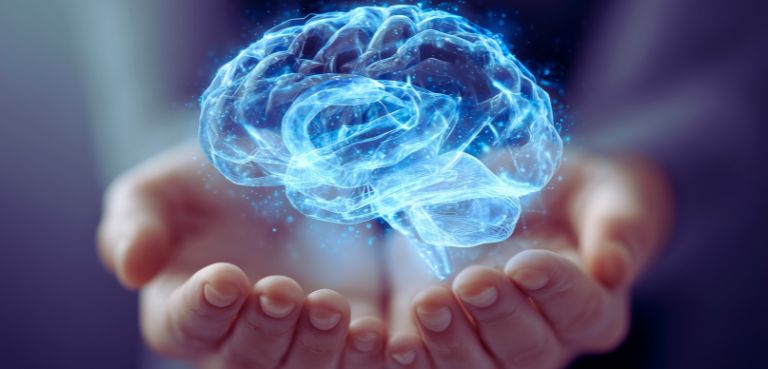
Bipolar Disorder Overview
Bipolar disorder is a mental health condition. It affects mood and energy levels. People with bipolar disorder experience extreme mood swings. These swings include emotional highs (mania or hypomania) and lows (depression). Understanding the brain’s role in this disorder can help manage its symptoms better.
Types Of Bipolar Disorder
There are several types of bipolar disorder. Each type has unique features:
- Bipolar I Disorder: This type involves severe manic episodes. These episodes last at least seven days. Depressive episodes follow, lasting at least two weeks.
- Bipolar II Disorder: This type includes hypomanic and depressive episodes. Hypomania is less severe than mania.
- Cyclothymic Disorder: This type involves periods of hypomanic and depressive symptoms. These symptoms last for at least two years. They are less intense than full-blown mania or depression.
Common Symptoms
Symptoms of bipolar disorder vary. They depend on the type and phase of the disorder:
| Phase | Symptoms |
|---|---|
| Manic Episode |
|
| Depressive Episode |
|
Understanding these symptoms is key. It helps in identifying and managing bipolar disorder. Early diagnosis and treatment can make a significant difference.
Brain Chemistry
The brain’s chemistry plays a crucial role in bipolar disorder. Changes in brain chemicals can affect mood, energy levels, and behavior. Understanding these changes can help us grasp the complexities of bipolar disorder.
Neurotransmitter Imbalances
Neurotransmitters are chemicals that transmit signals in the brain. In bipolar disorder, these chemicals can be out of balance. This imbalance can cause mood swings and other symptoms.
For example, low levels of certain neurotransmitters can lead to depression. High levels can cause mania. The balance of these chemicals is essential for stable mood and behavior.
Role Of Dopamine And Serotonin
Dopamine and serotonin are two key neurotransmitters. They play a significant role in bipolar disorder. Dopamine affects pleasure and reward. High levels can lead to mania. Low levels can cause depression.
Serotonin regulates mood, sleep, and appetite. Imbalances in serotonin levels can contribute to mood swings. Proper levels of serotonin are necessary for mood stability.
Both dopamine and serotonin must be balanced. This balance helps maintain a stable mood. In bipolar disorder, this balance is often disrupted. Understanding these roles is key to managing the condition.
Brain Structure
Understanding the brain structure involved in bipolar disorder is crucial. The brain areas most affected are the amygdala and the hippocampus. Changes in these regions can impact mood and behavior. Let’s explore these changes in detail.
Changes In The Amygdala
The amygdala is a key player in processing emotions. In people with bipolar disorder, the amygdala often shows abnormal activity. This can lead to intense mood swings. Studies show that the amygdala might be larger or more active during manic episodes. During depressive episodes, it might shrink or become less active. These shifts impact emotional regulation.
Hippocampus Alterations
The hippocampus helps with memory and learning. In bipolar disorder, this area often changes in size. It might shrink during depressive episodes. This can lead to memory issues. During manic episodes, the hippocampus can become hyperactive. This affects how new information is processed. Changes in the hippocampus contribute to the cognitive symptoms of bipolar disorder.
Genetic Factors
Bipolar disorder is a complex mental health condition. Genetic factors play a significant role in its development. Understanding these genetic components can provide insight into why some people are more prone to bipolar disorder.
Hereditary Links
Studies show that bipolar disorder often runs in families. If a parent has bipolar disorder, their child is more likely to develop it. Siblings also show a higher risk if one of them has the condition. This suggests a strong hereditary link.
Genetic Mutations
Certain genetic mutations contribute to bipolar disorder. These mutations affect brain chemistry and function. Scientists have identified specific genes related to mood regulation. Mutations in these genes can lead to the mood swings seen in bipolar disorder.
Research continues to uncover more about these genetic factors. By studying these genes and their mutations, we can better understand bipolar disorder. This knowledge may lead to improved treatments in the future.
Environmental Triggers
Bipolar disorder is a mental health condition that affects the brain. Environmental triggers often play a significant role in the onset and progression of this disorder. Understanding these triggers can help manage symptoms more effectively. Below are some common environmental triggers that impact the brain in bipolar disorder.
Stress And Trauma
Stressful life events can trigger mood episodes in those with bipolar disorder. The brain reacts to stress by releasing certain chemicals. These chemicals can affect mood stability. Traumatic experiences, such as abuse or loss, may also lead to mood swings. The brain tries to process these events, which can lead to emotional turmoil.
Lifestyle Factors
Lifestyle choices can influence bipolar disorder. Irregular sleep patterns can disrupt the brain’s natural rhythms. Poor diet and lack of exercise may also impact brain function. Substance abuse can worsen symptoms, making mood swings more severe. Maintaining a balanced lifestyle helps manage the disorder better. Creating a routine can provide stability for the brain.
Diagnosis Process
Understanding the diagnosis process for bipolar disorder is crucial. The process involves several steps. These steps help doctors accurately diagnose the condition.
Psychiatric Evaluation
The first step is a psychiatric evaluation. A mental health professional conducts this evaluation. They ask about your mood, behavior, and thoughts. They also review your medical history. This helps identify patterns in your mental health.
The professional might also ask your family about your behavior. This provides a more complete picture. The evaluation aims to rule out other mental health conditions. This ensures an accurate diagnosis.
Brain Imaging Techniques
Brain imaging techniques are another tool for diagnosis. These techniques include MRI and CT scans. They help doctors see the brain’s structure and activity. These images can reveal abnormalities in the brain.
Such abnormalities might be linked to bipolar disorder. Brain imaging is not always used for diagnosis. But it can provide valuable information. It helps to rule out other conditions.
Treatment Options
Bipolar disorder is a complex mental health condition. It involves extreme mood swings. These can range from depressive lows to manic highs. Understanding treatment options is crucial. It helps in managing symptoms and improving quality of life. Below, we explore the main treatment options available.
Medications
Medications play a vital role in treating bipolar disorder. They help stabilize mood swings. Here are some common types:
- Mood Stabilizers: These help control manic and depressive episodes.
- Antipsychotics: These are used when mood stabilizers are not enough.
- Antidepressants: These help manage depressive symptoms. They are often used with mood stabilizers.
A doctor will prescribe the right combination. Regular follow-ups are essential to monitor effectiveness and side effects.
Therapies
Therapies complement medications. They provide additional support and coping strategies. Here are some effective therapies:
- Cognitive Behavioral Therapy (CBT): Helps identify and change negative thought patterns.
- Interpersonal and Social Rhythm Therapy (IPSRT): Focuses on improving daily routines and relationships.
- Family-Focused Therapy (FFT): Involves family members. It helps improve communication and support within the family.
Therapies help in understanding triggers. They also teach skills to handle mood swings better.
| Type of Therapy | Focus |
|---|---|
| Cognitive Behavioral Therapy (CBT) | Identifying and changing negative thoughts |
| Interpersonal and Social Rhythm Therapy (IPSRT) | Improving daily routines and relationships |
| Family-Focused Therapy (FFT) | Enhancing family communication and support |
Combining medications and therapies can be highly effective. It helps manage bipolar disorder more comprehensively.
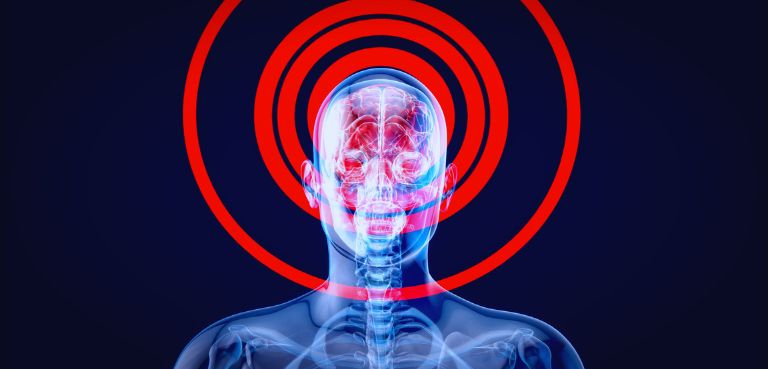
Living With Bipolar Disorder
Bipolar disorder affects brain function, causing intense mood swings. Chemical imbalances and abnormal brain activity influence emotions and behavior. Understanding these changes can help manage the disorder.
Living with bipolar disorder can be challenging. It affects many aspects of life. Mood swings can make daily tasks difficult. Understanding and managing these changes is crucial.
Coping Strategies
Developing coping strategies helps manage symptoms. Routine can provide stability. Regular sleep, exercise, and healthy eating are important. Mindfulness and relaxation techniques can reduce stress. Tracking moods helps recognize patterns. This can aid in early intervention.
Support Systems
Strong support systems are vital. Friends and family can offer emotional support. Professional help, like therapists, can provide guidance. Support groups can connect you with others who understand. Education about the disorder helps everyone involved. This fosters empathy and patience. “`
Frequently Asked Questions (FAQ)
1. What Causes Bipolar Disorder In The Brain?
- Bipolar disorder is linked to chemical imbalances in the brain. Genetics and environment also play a role.
2. How Does Bipolar Disorder Affect The Brain?
- It impacts brain areas controlling mood, thinking, and behavior. This causes extreme mood swings.
3. Can Bipolar Disorder Damage The Brain?
- Yes, severe episodes may cause brain changes. Early treatment can help reduce potential damage.
4. Is Bipolar Disorder Hereditary?
- Yes, it can run in families. Genetics increase the risk, but environment also affects its development.
Conclusion
Understanding bipolar disorder helps in managing its effects better. The brain changes involved are complex. They affect mood, energy, and behavior. Early diagnosis can lead to effective treatment. Awareness and support are essential. Learn more, seek help, and stay informed.
This knowledge empowers those affected. Remember, you are not alone in this journey. Support and care make a difference.