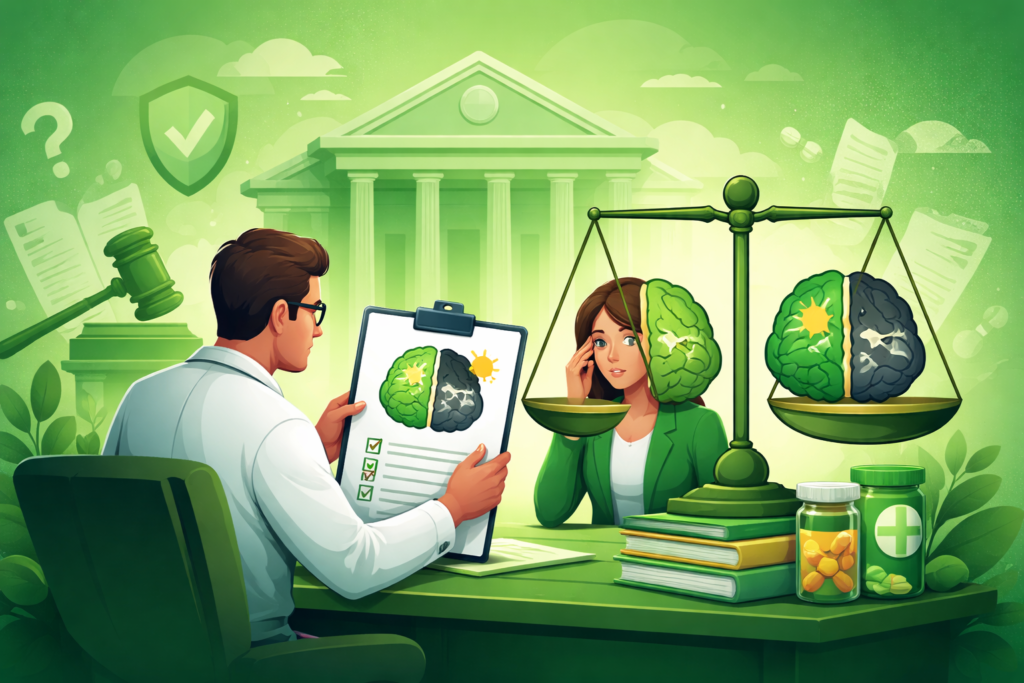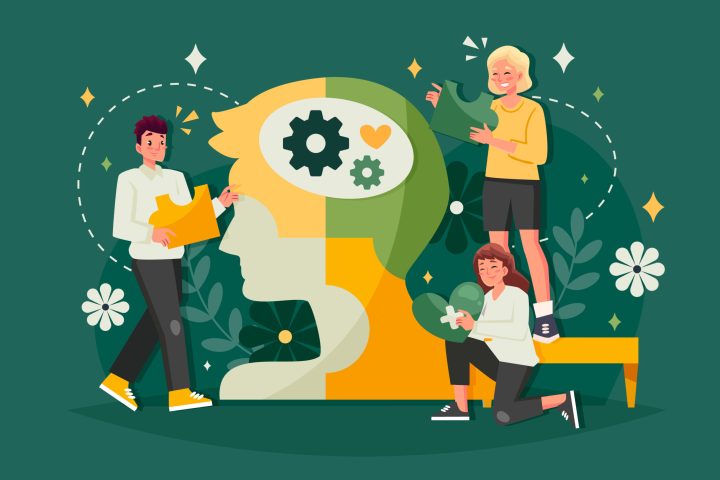

Energy and mental health are closely linked. Our energy levels impact our mood and thoughts.
Understanding this connection can help us improve our well-being. Mental health isn’t just about emotions; it’s also about how much energy we have. When we feel low on energy, our mental health can suffer. On the other hand, high energy levels can boost our mood and mental clarity.
This blog will explore the relationship between energy and mental health. We will discuss how energy affects our mental state and ways to manage it. By learning about this link, we can take steps to feel better and improve our overall health. Dive in to discover how energy and mental health intertwine.
Introduction To Energy And Mental Health
Energy and mental health are more connected than you might think. Our daily energy levels can greatly impact our mental well-being. Understanding this connection can help us manage stress and stay mentally healthy.

Defining Energy
Energy is more than just physical strength. It includes emotional and mental stamina too. Our bodies produce energy from food, sleep, and exercise. But our thoughts and feelings can drain or boost our energy as well.
Positive thoughts can make us feel energized. Negative thoughts can exhaust us. So, managing our energy involves both physical and mental practices.
Mental Health Basics
Mental health involves our emotional, psychological, and social well-being. It affects how we think, feel, and act. Good mental health helps us handle stress, build relationships, and make choices.
Stress, anxiety, and depression can lower our energy levels. When we feel low, it can be hard to stay active and engaged. Taking care of our mental health ensures we have the energy to live fully.
Simple practices like mindfulness, regular sleep, and healthy eating can improve both energy and mental health. Balancing our energy can lead to a happier, more fulfilling life.
The Science Of Energy In The Body
Energy plays a crucial role in our overall health. This includes mental health. The science of energy in the body helps us understand this connection. Our body produces and uses energy every day. This process affects how we feel and think.
Cellular Energy Production
Cells in our body produce energy. They do this through a process called cellular respiration. This process happens in the mitochondria, known as the powerhouse of the cell. Glucose and oxygen help create ATP, the main energy carrier in cells. Without ATP, our cells cannot function properly. This can lead to fatigue, which affects mental health.
Energy Pathways
Our body has different pathways to produce energy. The main pathways are aerobic and anaerobic. Aerobic pathways use oxygen to create energy. Anaerobic pathways do not use oxygen. Both pathways are important for different activities. Aerobic energy supports long-term activities. Anaerobic energy supports short bursts of activity.
When these pathways work well, our body maintains a balance. This balance is essential for mental health. Imbalances can cause stress and anxiety. Keeping our energy pathways healthy is key. It helps maintain good mental health.
Energy And Brain Function
Our brains need a lot of energy to work well. The brain uses this energy to think, feel, and remember. Energy helps the brain process information and manage emotions. Without enough energy, brain function can suffer. This can impact mental health.
Neurotransmitter Activity
Neurotransmitters are chemicals in the brain. They carry messages between nerve cells. Energy is crucial for making and releasing neurotransmitters. Low energy can slow down this process. This can lead to mood swings, anxiety, and depression. High energy levels support healthy neurotransmitter activity.
Brain Energy Use
The brain uses about 20% of the body’s total energy. This energy comes from glucose, a type of sugar. The brain needs a steady supply of glucose to work well. Low glucose levels can cause brain fog and fatigue. Eating a balanced diet helps maintain good brain energy.
Here is a table showing some energy-boosting foods:
| Food | Benefit |
|---|---|
| Fruits | Provide natural sugars and vitamins |
| Whole grains | Offer sustained energy release |
| Lean proteins | Support brain function and repair |
- Stay hydrated. Water helps the brain function well.
- Exercise regularly. Physical activity boosts brain energy.
- Get enough sleep. Rest is vital for brain energy and health.
These steps can support your brain’s energy needs. A well-fueled brain is key to good mental health.
Mental Health Disorders And Energy Levels
Energy levels play a crucial role in mental health. Mental health disorders often impact how much energy a person has. Low energy can make daily tasks harder. High energy levels can cause restlessness. Understanding this link can help manage mental health better.
Depression And Fatigue
Depression often leads to fatigue. People with depression feel constantly tired. They struggle to get out of bed. Simple tasks can feel overwhelming. This fatigue is not just physical. It affects the mind too. Concentration becomes difficult. Motivation decreases. This cycle of low energy and low mood can be challenging.
Anxiety And Restlessness
Anxiety can cause restlessness. People with anxiety may have too much energy. They feel on edge. Sleep becomes difficult. Their mind races with worries. This constant state of alertness is exhausting. Physical symptoms like shaking or sweating are common. Restlessness makes it hard to relax and recharge.
Lifestyle Factors Affecting Energy And Mental Health
Our daily habits play a significant role in our energy levels and mental health. Small changes in lifestyle can boost our mood and energy. Let’s explore some key factors that impact both energy and mental health.
Diet And Nutrition
What we eat affects how we feel. A balanced diet provides essential nutrients for our brain. Foods rich in vitamins, minerals, and antioxidants support brain function. Eating regularly helps maintain steady blood sugar levels. This prevents energy dips and mood swings.
Avoid processed foods and sugary snacks. These can lead to energy crashes. Focus on whole grains, lean proteins, fruits, and vegetables. Drink plenty of water. Hydration is crucial for brain health and energy.
Exercise And Physical Activity
Physical activity boosts both energy and mental well-being. Exercise releases endorphins, which improve mood. Regular activity helps reduce stress and anxiety. It also promotes better sleep, which is vital for energy and mental health.
You don’t need intense workouts to see benefits. Even moderate exercise, like walking or yoga, can make a difference. Aim for at least 30 minutes of physical activity most days of the week. Find an activity you enjoy. This makes it easier to stick with it.
Sleep’s Role In Energy And Mental Health
Sleep plays a crucial role in maintaining our energy levels and mental health. Quality sleep restores the body and mind, preparing us for the next day. Without it, our energy dwindles, and our mental health suffers. Let’s explore the importance of sleep and how sleep disorders impact our well-being.
Importance Of Sleep
Sleep helps in repairing tissues, synthesizing proteins, and releasing growth hormones. These processes are essential for physical health. Sleep also plays a role in brain function. It helps in learning, memory, and emotional regulation. Lack of sleep can lead to irritability and stress. Over time, this may result in anxiety and depression. Good sleep habits improve focus and decision-making. They also enhance creativity and problem-solving skills.
Sleep Disorders
Sleep disorders disrupt the sleep cycle, causing various health issues. Insomnia, sleep apnea, and restless legs syndrome are common disorders. Insomnia makes it hard to fall or stay asleep. This leads to tiredness and mood swings. Sleep apnea causes breathing interruptions, leading to fragmented sleep. Restless legs syndrome creates an urge to move the legs, affecting sleep quality. These disorders reduce energy levels and impact mental health. Early diagnosis and treatment can improve sleep and overall well-being.
Holistic Approaches To Boosting Energy
Boosting energy through holistic approaches can greatly impact mental health. These methods focus on the mind and body connection. Mindfulness, meditation, and natural supplements are key elements. They help maintain a balanced life. This balance supports both physical and mental well-being.
Mindfulness And Meditation
Mindfulness involves being present in the moment. It helps reduce stress and anxiety. Regular practice improves focus. It also increases energy levels. Meditation complements mindfulness. It promotes relaxation and mental clarity. Taking just 10 minutes a day can make a difference. Together, they create a calm and energetic mind.
Natural Supplements
Natural supplements can also boost energy. They provide essential nutrients. Omega-3 fatty acids support brain health. Ginseng can improve mental performance. B vitamins help convert food into energy. Always consult a healthcare provider before starting any supplement. These natural options promote a healthy mind and body.
Seeking Professional Help
Seeking professional help for mental health issues is crucial. Mental health professionals can offer the support and guidance needed. They use various methods to improve mental well-being. Let’s explore some of these options.
Therapies And Treatments
Therapy is a common route for those seeking mental health support. Cognitive Behavioral Therapy (CBT) is one popular method. It helps to change negative thought patterns. Another option is psychotherapy. This involves talking about your feelings with a professional. Medication can also play a role. Antidepressants and anti-anxiety drugs are often prescribed.
Integrative Health Practices
Integrative health practices combine traditional and alternative methods. Mindfulness meditation helps reduce stress. Yoga is another practice that improves mental health. It combines physical movement with deep breathing. Nutritional counseling also plays a part. A balanced diet can improve your mental state. Acupuncture is another option. It aims to balance the body’s energy flow.
Conclusion And Future Directions
Understanding the link between energy and mental health is crucial. As we explore the conclusion and future directions, it’s essential to recap key points and look at emerging research. These insights can guide us towards better mental well-being.
Summary Of Key Points
Energy levels impact mental health. Low energy often leads to feelings of depression and anxiety. Conversely, high energy can boost mood and cognitive function. Maintaining balanced energy through proper diet, exercise, and sleep is vital. Recognizing these connections helps in developing strategies for better mental health.
Emerging Research
New studies focus on the biological links between energy and mental health. Research on mitochondria, the energy producers in cells, shows promising results. Scientists are also exploring how diet impacts mental well-being. Specific nutrients may play a key role in maintaining energy balance and mental health.
Additionally, there is growing interest in the effects of exercise. Physical activity not only improves physical health but also boosts mental energy. Emerging research suggests even moderate exercise can significantly enhance mood and cognitive function.
Future studies may provide more insights into personalized approaches. Tailoring interventions based on individual energy needs could be a new frontier in mental health care. Continued exploration in this area holds promise for improving overall well-being.
Frequently Asked Questions
- How Does Energy Affect Mental Health?
Energy levels directly impact mood and cognitive functions. Low energy can lead to depression and anxiety. - Can Poor Sleep Affect Mental Health?
Yes, poor sleep reduces energy and worsens mental health. It can cause stress, anxiety, and depression. - What Foods Boost Energy And Mental Health?
Fruits, vegetables, nuts, and whole grains. These foods provide essential nutrients and improve brain function. - Does Exercise Improve Mental Health?
Yes, exercise boosts energy and releases endorphins. These chemicals enhance mood and reduce stress. - How Can Stress Deplete Your Energy?
Stress consumes physical and mental energy. It can lead to fatigue, anxiety, and depression.
Conclusion
Energy and mental health connect deeply. Good energy levels improve mood. Low energy often leads to stress. Eating well, sleeping enough, and staying active help. These habits boost both energy and mental health. Small changes make a big difference. Take care of your body and mind.
They work together for better well-being. Stay mindful of your energy. It affects how you feel daily.