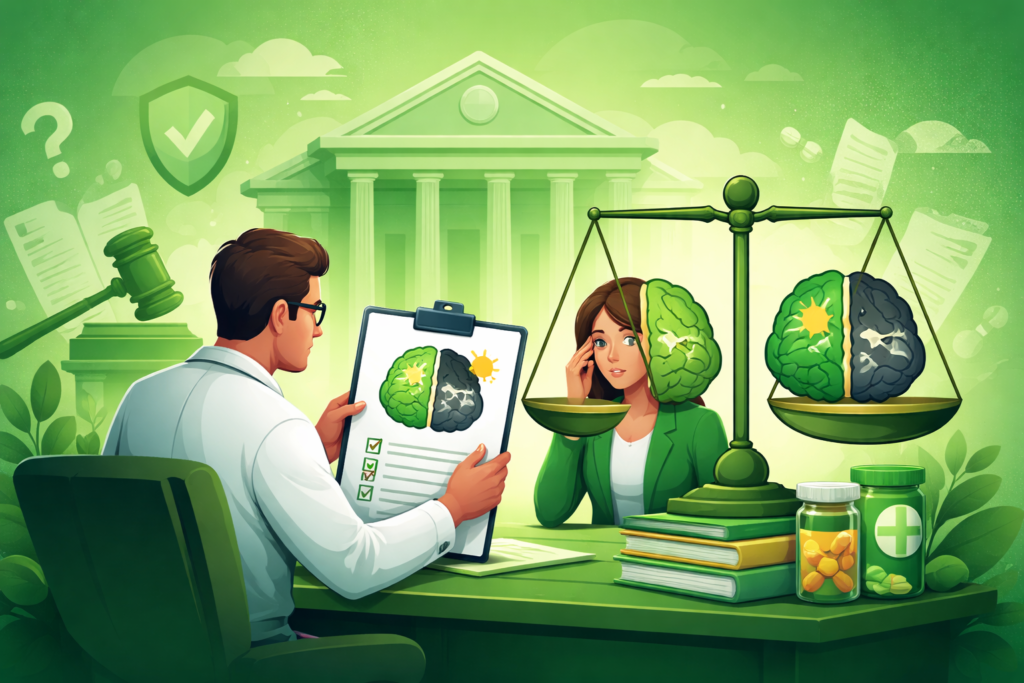

Green represents mental health. It symbolizes growth, renewal, and stability.
Understanding the color associated with mental health can be helpful. It allows for greater awareness and recognition of mental health issues. Green, in many cultures, is a symbol of life and health. It promotes calmness and relaxation, which are essential for mental well-being.
By associating green with mental health, it becomes easier to communicate the importance of mental health. This color association can be seen in various mental health campaigns and initiatives. Knowing this, we can use green to show support for mental health awareness. Let’s explore why green is chosen and how it impacts our understanding of mental health.
Significance Of Colors In Mental Health
Colors play a vital role in our lives. They influence our emotions and mental well-being. Understanding the significance of colors in mental health can help improve our mood and overall mental state.

Psychological Impact
Different colors evoke different emotions. Blue often brings a sense of calm and peace. It can help reduce anxiety and stress. Green symbolizes growth and harmony. It promotes relaxation and balance. Yellow is bright and cheerful. It can uplift and energize. On the other hand, red can increase energy but might also cause agitation. Knowing how colors affect our minds can help us create environments that support mental health.
Cultural Interpretations
Colors hold different meanings in different cultures. In Western cultures, white often represents purity and peace. In some Eastern cultures, white is linked with mourning. Blue is seen as trustworthy and reliable in many places. In some cultures, it symbolizes spirituality. Green is linked to nature and health worldwide. But in some regions, it also represents wealth and prosperity. Understanding these cultural interpretations can help us use colors more effectively in mental health practices.
Green: The Color Of Healing
Green is often associated with healing and renewal. This color can have a profound impact on mental health. It symbolizes growth, harmony, and safety. Many people find green to be a soothing color. This is why it is often used in spaces designed for relaxation and recovery.
Calming Effects
Green has strong calming effects. It can help reduce anxiety and promote a sense of peace. When people see green, they often feel more relaxed and less stressed. This is due to its connection with tranquility and balance.
In hospitals and clinics, green is a popular choice for walls and decor. It helps create a serene environment. This can aid in the healing process and improve overall well-being.
Association With Nature
Green is the color of nature. It represents plants, trees, and landscapes. Exposure to green spaces has numerous mental health benefits. It can reduce stress, improve mood, and enhance focus.
Spending time in nature, surrounded by green, can be very therapeutic. People often feel refreshed and rejuvenated after a walk in the park or a hike in the woods.
Consider incorporating more green into your life. This could be through houseplants, green decor, or spending more time outdoors. The positive impact on mental health can be significant.
Blue: The Color Of Tranquility
Blue is often linked to calmness and peace. It is a color that soothes the mind and soul. Many people find blue to be a comforting and serene color. It represents mental health and well-being.
Soothing Properties
Blue has a unique ability to calm the mind. It can reduce stress and anxiety. This makes blue a popular choice for spaces meant for relaxation. Think of the sky or the ocean. Both are vast, blue, and calming. The color blue can slow down the heart rate. It can also lower blood pressure. This makes it perfect for promoting mental health.
Connection To Serenity
Blue is closely tied to feelings of serenity. It brings a sense of tranquility and peace. Many mental health professionals use blue in therapy rooms. The color helps create a serene environment. This can make it easier for people to open up and share. Blue is also common in hospitals and clinics. It promotes a calm atmosphere for healing and recovery.
Yellow: The Color Of Happiness
Yellow is often associated with joy and positivity. This bright color can instantly lift your mood. It is linked to sunshine and warmth. This makes it a perfect color for promoting mental health.
Boosting Mood
Yellow is known for its ability to boost mood. This color can create feelings of happiness. It stimulates the brain and encourages feelings of well-being. People who are surrounded by yellow often feel more energetic and cheerful.
A study showed that yellow rooms can make people feel more optimistic. This is why many mental health clinics use yellow in their decor. It helps patients feel more comfortable and at ease.
Stimulating Creativity
Yellow also stimulates creativity. Artists and designers often use yellow to inspire new ideas. It encourages mental agility and innovation. When you are in a yellow room, you might find it easier to think outside the box.
Yellow can enhance focus. This is especially useful for tasks that require concentration. Schools and offices can benefit from using yellow in their interiors. It helps students and workers stay alert and productive.
| Benefits of Yellow | Application |
|---|---|
| Boosts Mood | Home Decor, Clothing |
| Stimulates Creativity | Art Studios, Offices |
| Enhances Focus | Schools, Workspaces |
Purple: The Color Of Calm
Purple is known for its calming effect on the mind. Often associated with mental health, it symbolizes peace and relaxation.
Purple is often associated with calmness and relaxation. It evokes a sense of peace and tranquility. This color is widely used in mental health awareness. Purple can help create a serene environment. People often use it to promote mental well-being.
Encouraging Relaxation
Purple is known to encourage relaxation. It soothes the mind and body. This color can help reduce stress and anxiety. Many therapists use purple in their practices. It creates a calming atmosphere. Purple can be found in therapy rooms and meditation spaces.
Spiritual Significance
Purple has deep spiritual significance. It is linked to mindfulness and inner peace. This color represents the crown chakra. The crown chakra connects us to higher consciousness. Purple can enhance spiritual growth and awareness. It is often used in spiritual practices and rituals. “`
Color Therapy For Mental Health
Color therapy, also known as chromotherapy, uses colors to improve mental well-being. Different colors can evoke different psychological responses. This therapy aims to balance energy and alleviate mental health issues. Let’s explore some techniques and practical applications.

Chromotherapy Techniques
Chromotherapy involves exposing individuals to specific colors. Each color can impact emotional and mental states. For instance, blue is calming and reduces stress. Yellow enhances mood and boosts optimism. Green balances emotions and promotes tranquility.
Here are some common techniques:
- Light Therapy: Uses colored lights to influence emotions.
- Visualization: Imagining colors to induce calmness.
- Color Breathing: Inhaling and exhaling while visualizing colors.
Practical Applications
Applying color therapy in daily life can be simple. Here are practical ways:
| Application | Description |
|---|---|
| Home Decor | Use calming colors like blue or green in living spaces. |
| Clothing | Wear colors that reflect your desired mood. |
| Work Environment | Incorporate colors that increase productivity and reduce stress. |
Implementing these techniques can enhance mental health and foster a positive mindset. Everyone can benefit from a splash of color in their lives.
Choosing The Right Color For You
Choosing the right color for mental health support can be personal. Colors have unique meanings and effects on our emotions. Finding the right one for you involves considering personal preferences and tailoring it to your specific needs. This section will guide you through these steps.
Personal Preferences
Personal preferences play a big role in color choice. Think about the colors that you feel comfortable with. Do you find certain colors calming or uplifting? Consider past experiences with colors in different settings. For example, if blue has always made you feel relaxed, it might be a good choice for you.
Each person’s reaction to color can be different. To find your color, take note of how different hues make you feel. You might want to try using a color wheel to see a variety of shades and tones. You can also consider how these colors fit into your daily life and spaces.
Tailoring To Needs
Tailoring the color to your specific mental health needs is important. Different colors can serve various purposes. For example, green represents growth and harmony. It can be useful for those seeking balance. Yellow is associated with happiness and energy, and might help lift your mood.
Here is a simple table to illustrate the effects of some colors:
| Color | Effect |
|---|---|
| Blue | Calm, Peaceful |
| Green | Balance, Growth |
| Yellow | Happiness, Energy |
| Purple | Wisdom, Creativity |
Consider your current emotional state and what you need. If you seek relaxation, blue might be best. If you need a boost in creativity, try purple. Experiment with different colors in your environment. Use decorations, clothing, or even lighting to see how they affect your mood.
Incorporating Healing Colors In Daily Life
Incorporating healing colors into your daily life can have a positive impact on your mental health. Colors like green, blue, and yellow are known for their calming and uplifting properties. By integrating these shades into your surroundings, you can create a more balanced and serene environment. Let’s explore how you can do this in different areas of your life.
Home Decor
Using healing colors in your home decor can create a peaceful atmosphere. Paint walls in soft green to promote relaxation. Add blue accents in your living room to evoke a sense of calm. Yellow cushions or curtains can brighten a space and lift your mood. Choose artwork featuring these colors to enhance the emotional ambiance of your home.
Wardrobe Choices
Wearing colors that promote mental well-being can influence your mood. Opt for green clothing to feel more grounded and balanced. Blue outfits can help you stay calm and focused. Yellow accessories, like scarves or jewelry, can add a cheerful touch to your attire. By choosing these colors, you can carry positive energy with you throughout the day.
Frequently Asked Questions
- What Color Symbolizes Mental Health Awareness?
Green is widely recognized as the color that represents mental health awareness. - Why Is Green The Color For Mental Health?
Green symbolizes hope, renewal, and the importance of mental health. - Are There Other Colors Linked To Mental Health?
Yes, blue and purple are also used to raise awareness for mental health issues. - How Can Colors Affect Mental Health?
Colors can influence mood and emotions. Green can promote calmness and balance. - What Are Mental Health Awareness Ribbons?
Mental health awareness ribbons are green. They help spread awareness and support for mental health issues.
Conclusion
Understanding the colors linked to mental health helps us support each other better. Green symbolizes growth and renewal, bringing a sense of calm. Blue promotes tranquility and peace, reducing stress. Yellow represents hope and happiness, uplifting spirits. Knowing these connections can improve awareness and empathy.
Use these insights to create supportive environments. Remember, colors can influence emotions and mental well-being. So, choose colors mindfully for a positive impact. This knowledge can help foster a mentally healthy community. Let’s embrace the power of colors to nurture mental health.