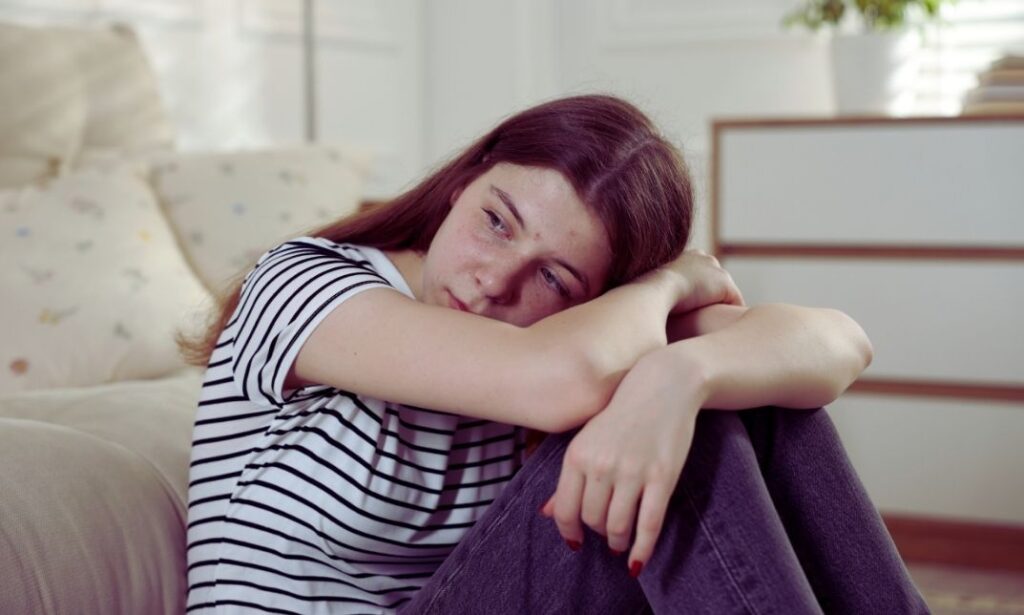
Helping a girlfriend with an eating disorder can be challenging. Your support is vital.
Eating disorders are serious and complex. They affect many aspects of life. As a loving partner, you want to help. But you might feel unsure how to begin. This blog aims to guide you. We will explore ways to support her.
Understanding her struggle is key. Your role is important in her recovery journey. Let’s delve into practical steps you can take.
Topic of Contents
ToggleRecognizing The Signs
Recognizing the signs of an eating disorder in your girlfriend can be challenging. It requires keen observation and understanding of both physical and emotional changes. Early recognition is crucial for providing the necessary support and intervention.
Physical Symptoms
Physical changes are often the first noticeable signs. Weight loss or gain may be evident. You might see her frequently checking her weight or body in the mirror. Another sign could be unusual eating habits, like skipping meals or eating very small portions. You may notice her wearing loose clothing to hide her body.
Fatigue and weakness are also common. She might feel tired more often or lack energy. Her skin, hair, and nails may show signs of malnutrition, such as dryness or brittleness. Gastrointestinal issues, like stomach pain or constipation, can occur. Frequent visits to the bathroom after meals might indicate purging.
Emotional Indicators
Emotional changes can be subtle yet significant. She may express intense fear of gaining weight. Mood swings are common, ranging from sadness to irritability. Anxiety and depression often accompany eating disorders. You might notice her withdrawing from social activities she once enjoyed.
Obsessive behaviors around food and exercise are red flags. She might spend a lot of time planning meals or working out excessively. Self-esteem issues often surface. She might have a distorted body image, seeing herself as overweight despite being underweight. Secretive behavior about eating habits can also be a sign.
Educating Yourself
Supporting a loved one with an eating disorder can be challenging. Educating yourself about the condition is a crucial first step. It helps you provide informed and compassionate support.
Understanding Eating Disorders
Eating disorders are complex mental health conditions. They involve extreme emotions, attitudes, and behaviors surrounding weight and food. Many people think it’s just about eating too much or too little. But it’s much more than that. Eating disorders can affect anyone, regardless of age, gender, or background.
There are several types of eating disorders. Anorexia nervosa, bulimia nervosa, and binge-eating disorder are the most common. Each has its own signs and symptoms. Understanding these can help you recognize what your girlfriend may be experiencing. Early intervention is key to recovery.
Common Myths
Several myths surround eating disorders. Believing these can hinder support efforts. One common myth is that eating disorders are a choice. They are not. They are serious mental illnesses. Another myth is that only women suffer from eating disorders. Men can suffer too.
Some people think you can tell if someone has an eating disorder by their appearance. This is false. Many with eating disorders maintain a normal weight. Finally, some believe recovery is quick and easy. Recovery takes time and professional help. Educating yourself helps you dispel these myths and better support your girlfriend.
Approaching The Conversation
Helping a girlfriend with an eating disorder can be challenging. The first step is having a conversation. This needs to be done with care and sensitivity. Approaching the topic in the right way can make a big difference. Let’s explore how to start this important conversation.
Choosing The Right Time
Timing is crucial when discussing sensitive issues. Pick a calm and private moment. Avoid bringing it up during meals or stressful times. Find a quiet place where you both feel comfortable. This sets a positive tone for the conversation.
Expressing Concern
Express your concern with love and empathy. Use “I” statements to share your feelings. Say, “I have noticed you seem stressed about eating.” Avoid blaming or judging her actions. Focus on how much you care about her well-being. Let her know you’re there to support her.
Offering Emotional Support
Supporting a girlfriend with an eating disorder can be challenging. Offering emotional support is crucial. It helps her feel understood and loved. This section will guide you on how to provide that support.
Active Listening
Active listening means giving her your full attention. Put away distractions like phones. Make eye contact and nod to show you are engaged. Repeat back what she says to ensure you understand. Ask open-ended questions. This shows you care about her feelings and thoughts.
Empathy And Patience
Show empathy by validating her feelings. Say things like, “I understand this is hard for you.” Avoid giving unsolicited advice. Instead, offer a listening ear. Be patient. Recovery from an eating disorder takes time. Celebrate small victories with her. They matter.
Encouraging Professional Help
Supporting a loved one with an eating disorder can be challenging. Encouraging professional help is vital for her recovery. Professional help includes therapy, medical support, and group sessions. Here’s how you can assist your girlfriend in finding the right support.
Finding Therapists
Finding a skilled therapist is crucial. Look for therapists who specialize in eating disorders. These professionals understand the unique challenges and needs involved. You can start by:
- Asking her primary care doctor for recommendations
- Searching online directories for eating disorder specialists
- Checking with local mental health organizations
When you find potential therapists, check their credentials. Ensure they have experience with eating disorders. Encourage your girlfriend to meet with a few therapists. This helps her find someone she feels comfortable with.
Support Groups
Support groups offer a sense of community. They provide a safe space to share experiences and gain support. You can help your girlfriend find local or online support groups. Here are some ways to locate them:
- Check with local hospitals or clinics
- Look for online forums dedicated to eating disorders
- Contact national eating disorder organizations for group listings
Encourage her to attend meetings regularly. This can boost her confidence and help her feel less alone.
Creating A Safe Environment
Creating a safe environment is essential when supporting a girlfriend with an eating disorder. A supportive space can make a huge difference in her recovery journey. Establishing trust and understanding is key. Let’s explore ways to create this nurturing environment.
Avoiding Triggers
Identify and avoid any potential triggers. These can be certain foods, activities, or even comments. Be mindful of how you talk about weight, food, and body image. Avoid making any remarks about her appearance. Even well-meaning comments can be harmful.
Keep a trigger-free environment. Remove any items that might cause stress or anxiety about eating. This can include diet books, scales, or specific types of food. Focus on creating a space where she feels safe and supported.
Promoting Healthy Habits
Encourage and participate in healthy habits together. Plan balanced meals and eat together. This shows support and normalizes healthy eating. Make meals a stress-free time, full of positive interactions.
Physical activity should be about fun and enjoyment, not about burning calories. Find activities she enjoys, like walking or yoga. This can help improve her mental well-being and strengthen your bond.
Ensure she gets enough rest and maintains a regular sleep schedule. A well-rested mind is crucial for recovery. Encourage her to pursue hobbies and activities that she loves. This can provide a distraction and improve her overall happiness.
Being Patient
Supporting a girlfriend with an eating disorder takes time. Being patient is essential. It means giving her the space she needs to heal. Recovery isn’t linear. There will be ups and downs. Your patience can make a big difference.
Understanding Setbacks
Setbacks are common in recovery. They can be discouraging for both of you. Understand that these setbacks are part of the process. Avoid showing frustration or disappointment. Instead, offer encouragement and understanding. This can help your girlfriend feel supported.
Remember, setbacks are not failures. They are opportunities to learn and grow. Help her see the progress she has made, despite the setbacks. This can boost her motivation to continue.
Celebrating Progress
Celebrate small victories. Recovery is a long journey. Recognize and celebrate every step forward. Did she eat a full meal? Celebrate it. Did she talk about her feelings? Celebrate it. These small wins are important.
Create a list of milestones. This can help track progress. It can also serve as a reminder of how far she has come. Use positive reinforcement. Compliment her efforts and bravery. Let her know you are proud of her.
| Setbacks | Progress |
|---|---|
| Missed meals | Ate regular meals for a week |
| Anxious thoughts | Expressed feelings openly |
| Negative self-talk | Practiced self-compassion |
Being patient means being there through the highs and lows. Your support is crucial. Understanding setbacks and celebrating progress can help your girlfriend on her path to recovery.
Taking Care Of Yourself
Supporting a girlfriend with an eating disorder can be challenging. It’s crucial to remember that taking care of yourself is also important. Balancing her needs with your own well-being is key. This will help you stay strong and supportive.
Self-care Tips
Make time for activities you enjoy. Read a book, go for a walk, or watch a favorite show. These small breaks can refresh your mind.
Eat well and get enough sleep. A healthy body helps maintain a clear mind. Exercise regularly to release stress. Simple exercises like jogging or yoga can work wonders.
Practice mindfulness and meditation. These techniques can help you stay calm and focused. Breathing exercises can also reduce anxiety and stress.
Seeking Your Own Support
Talk to a trusted friend or family member about your feelings. Sharing your thoughts can lift some of the emotional weight off your shoulders. You don’t have to face this alone.
Join a support group for loved ones of people with eating disorders. These groups offer a safe space to share experiences and get advice. They can help you feel understood and less isolated.
Consider seeing a therapist. A professional can provide strategies to cope with stress and offer guidance. Therapy can be a valuable resource in maintaining your mental health.
Resources And Further Reading
Helping a girlfriend with an eating disorder can be challenging. Finding the right resources can make all the difference. This section provides books, articles, websites, and hotlines for support and guidance.
Books And Articles
Books and articles can offer in-depth insights. They help you understand eating disorders better. Here are some recommendations:
- “Eating in the Light of the Moon” by Anita Johnston
- “Life Without Ed” by Jenni Schaefer
- “The Eating Disorder Sourcebook” by Carolyn Costin
- “Overcoming Binge Eating” by Christopher Fairburn
- “Brave Girl Eating” by Harriet Brown
Websites And Hotlines
Websites and hotlines provide immediate information and support. Here are some trusted sources:
| Resource | Details |
|---|---|
| National Eating Disorders Association (NEDA) | Website: nationaleatingdisorders.org Helpline: 1-800-931-2237 |
| Eating Disorders Anonymous | Website: eatingdisordersanonymous.org |
| National Association of Anorexia Nervosa and Associated Disorders (ANAD) | Website: anad.org Helpline: 1-888-375-7767 |
| Project Heal | Website: theprojectheal.org |
| National Institute of Mental Health | Website: nimh.nih.gov |
Frequently Asked Questions
How Can I Support My Girlfriend With An Eating Disorder?
Listen to her without judgment. Encourage her to seek professional help. Offer emotional support.
What Should I Avoid Saying To My Girlfriend?
Avoid commenting on her weight or eating habits. Do not blame or criticize her. Be gentle and understanding.
Can I Help My Girlfriend Seek Treatment?
Yes, suggest therapy or counseling. Help her find resources. Be supportive throughout her journey.
How Do I Create A Supportive Environment?
Be patient. Encourage healthy habits. Educate yourself about eating disorders. Show love and understanding.
Conclusion
Supporting your girlfriend with an eating disorder is vital. Stay patient and understanding. Encourage her to seek professional help. Be there to listen and offer support. Avoid making judgments or giving unsolicited advice. Educate yourself about eating disorders. Create a safe, loving environment.
Your compassion can make a difference in her journey to recovery. Remember, you don’t have to do it alone. Seek support for yourself too. Helping her is a team effort. You both can get through this together.