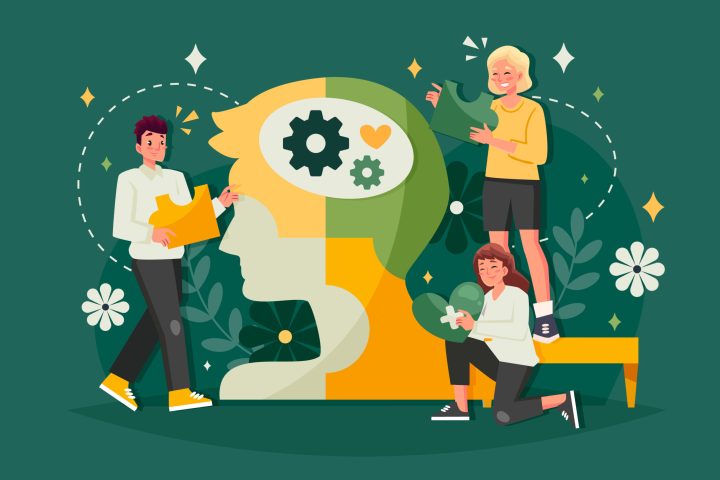
Mental toughness is the ability to stay strong and focused under pressure. It helps you face challenges and keep going when things get tough.
Building mental toughness is essential in our fast-paced world. Many people wonder how to develop this vital skill. Mental toughness is not just for athletes or soldiers; it’s for everyone. It helps you handle stress, overcome obstacles, and achieve your goals.
Whether you’re facing a difficult job, dealing with personal issues, or trying to reach a new milestone, mental toughness is key. This blog post will explore the factors that contribute to mental toughness. By understanding these elements, you can start building your own resilience and strength.
Resilience And Adaptability
Failure happens to everyone. It can feel very hard at first. Strong people learn from mistakes. They do not give up. Resilience helps them stand up again. They try a new way to solve the problem. Learning from failure builds mental toughness.
Change is part of life. It can be scary. Adaptability means you can handle change well. You stay calm and think of new solutions. This skill helps you stay strong in tough times. Being flexible and open-minded makes change easier.
Positive Mindset
A positive mindset helps build mental toughness. Optimism plays a big part. It means seeing good in situations. Try focusing on good outcomes. It can change your mood. It can even change your actions. This helps in tough times.
Affirmations are powerful words. They are positive statements. Repeat them daily. They help you believe in yourself. Self-talk is inner speech. Keep it positive. Tell yourself good things. It boosts confidence. It reduces stress. Both help in hard times.
Goal Setting
Setting short-term goals helps you focus. These goals give a sense of achievement. Each small win builds confidence. It keeps you motivated. You see progress. You stay on track. Break big tasks into smaller ones. Celebrate each small success. It makes the journey easier. Stay positive. Keep moving forward.
Having a long-term vision is important. It guides your efforts. It gives a clear direction. You know where you are heading. This vision helps make better decisions. It keeps you focused on the big picture. Stay committed to your vision. Adjust if needed. Keep your eyes on your goals. Stay dedicated. Your vision will lead you to success.
Self-discipline
Good habits are key to self-discipline. Start with small tasks. Do them daily. These tasks could be making your bed or reading a book. Small steps lead to big changes. Over time, these good habits become natural. They help in building mental strength. Stay focused on your goals.
Consistency is crucial for mental toughness. Keep doing tasks even when hard. Do not give up easily. Stick to your routine. Consistent actions build resilience. Celebrate small wins. This keeps you motivated. Every small effort counts. Stay committed to your path.
Stress Management
Stress can hurt your mind. Relaxation techniques can help manage stress. Deep breathing is a simple way to relax. Close your eyes and breathe in deeply. Then, breathe out slowly. Repeat this a few times. Meditation is another good method. Sit quietly and focus on your breath. Let thoughts come and go without worry. Try this for a few minutes every day.
Managing time well can reduce stress. Make a list of tasks. Do the most important tasks first. This helps you feel in control. Break big tasks into smaller steps. This makes them easier to handle. Also, take short breaks during work. This keeps your mind fresh. Avoid multitasking. Focus on one task at a time. This improves your work quality.
Emotional Intelligence
Understanding emotions helps in building mental strength. Recognizing feelings in oneself and others is key. This can help in making better decisions. Emotional awareness leads to better control of reactions. It is important to stay calm in tough situations. Managing emotions well can reduce stress.

Empathy is feeling what another person feels. It helps in forming strong relationships. Good relationships are important for mental toughness. Listening to others and understanding their feelings is crucial. This can create trust and support. Having a strong support system boosts mental strength.
Physical Fitness
Building mental toughness involves regular exercise and pushing personal limits. Physical challenges help develop resilience and a strong mindset.
Exercise Routines
Regular exercise helps build mental strength. Activities like running, swimming, or biking can boost your mood. Simple exercises like walking also help. Try to stay active for at least 30 minutes a day. It can be fun and easy. Pick activities you enjoy. This makes it easier to stick to a routine. Exercise not only helps your body but also your mind.
Healthy Lifestyle Choices
Eating well is important for mental toughness. Choose foods rich in vitamins. Drink plenty of water. Get enough sleep each night. Sleep helps your brain rest. Avoid too much sugar and junk food. They can make you feel tired. A healthy body leads to a healthy mind. Make small changes for big results.
Support Systems
A strong support network is vital. Friends and family can offer emotional support. They listen and share advice. This network helps during hard times. It also celebrates with you during good times. Connecting with others builds confidence. It makes you feel less alone. Trust in these relationships is key. Be open and honest with your network.
Mentors play a big role in building mental toughness. They offer wisdom and experience. Mentors can guide you through challenges. They help you set realistic goals. Learning from their mistakes is useful. This helps you avoid similar errors. A mentor can also boost your confidence. Regular check-ins with them are important. They keep you on track.
Frequently Asked Questions
- What Is Mental Toughness?
Mental toughness is the ability to stay strong, focused, and resilient under stress. - How Can I Improve My Mental Toughness?
Practice self-discipline, set goals, and face challenges. Stay positive and learn from setbacks. - Why Is Mental Toughness Important?
Mental toughness helps you handle stress, achieve goals, and stay focused. It leads to better performance. - Can Physical Exercise Build Mental Toughness?
Yes, regular exercise improves mental strength. It builds resilience and helps you manage stress better. - Does Meditation Help In Building Mental Toughness?
Yes, meditation improves focus and reduces stress. It strengthens your mental resilience over time.
Conclusion
Mental toughness grows through consistent practice and dedication. Small daily habits make a big difference. Embrace challenges as opportunities to improve. Stay focused on your goals. Build resilience by learning from setbacks. Surround yourself with supportive people. Maintain a positive mindset.
Celebrate your progress, no matter how small. Remember, mental toughness is a journey, not a destination. Keep pushing forward. You have the strength within you.