
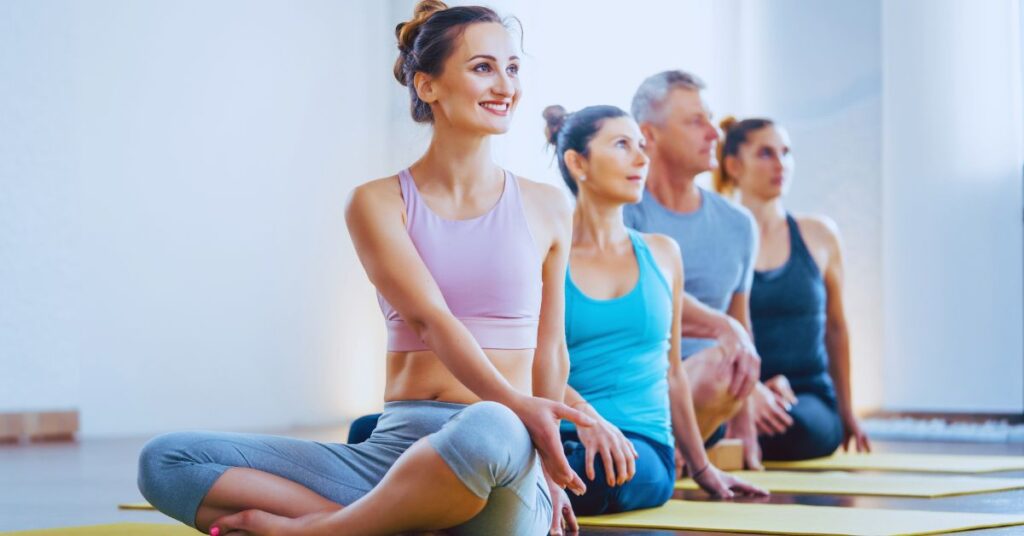
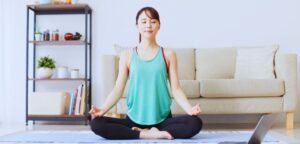
Seated meditation is a simple yet powerful practice. It helps calm the mind and relax the body.
In today’s fast-paced world, many of us seek ways to find peace and balance. Seated meditation offers a straightforward path to achieving this. By dedicating a few minutes each day to sit quietly, we can reduce stress and improve our mental clarity.
This practice doesn’t require special equipment or a lot of time. Anyone can do it, anywhere, at any time. Whether you’re new to meditation or have some experience, seated meditation can be a valuable addition to your daily routine. Let’s explore how this practice can enhance your well-being and bring more calm into your life.
Benefits Of Seated Meditation
Seated meditation offers numerous advantages for the mind and body. It can improve mental clarity, emotional stability, and overall well-being. Let’s explore these benefits in detail.
Mental Clarity
Seated meditation helps clear your mind. It reduces mental clutter and distractions. With a clear mind, you can make better decisions. Your focus and concentration improve. This clarity can enhance productivity and creativity.
Emotional Stability
Regular seated meditation can stabilize your emotions. It helps manage stress and anxiety. You become more aware of your feelings. This awareness can lead to better emotional control. Meditation fosters a sense of calm and peace. It can also improve your relationships by promoting empathy and understanding.
Preparing For Meditation
Preparing for meditation sets the stage for a peaceful practice. Creating the right environment helps ease the mind and body. This preparation ensures a more focused and relaxing meditation session.
Choosing A Quiet Space
Find a calm and quiet place in your home. A space without distractions is ideal. This helps maintain focus during meditation. A quiet room can make a big difference in your practice.
Comfortable Seating
Choose a comfortable seat for your meditation. You can use a cushion, chair, or bench. Ensure your seat supports your back. Comfort helps you stay still for longer periods. This prevents aches and keeps your mind on meditation.
Basic Techniques
Seated meditation is a powerful practice. It helps calm the mind and body. To get started, you need to know some basic techniques. These techniques will guide your practice and enhance your experience.
Focused Breathing
Focused breathing is a simple yet effective technique. Sit in a comfortable position. Close your eyes and take a deep breath. Hold it for a moment, then slowly exhale. Repeat this process.
Focus on your breath. Feel the air entering and leaving your body. This helps to clear your mind. If your thoughts wander, gently bring your focus back to your breathing. This practice can reduce stress and improve concentration.
- Inhale deeply through your nose.
- Hold your breath for a few seconds.
- Exhale slowly through your mouth.
- Repeat the process.
- Focus on the sensation of breathing.
Mindfulness Practice
Mindfulness is about being present. Sit comfortably and close your eyes. Notice your surroundings. Pay attention to sounds, smells, and sensations. Do not judge them. Just notice them.
Bring your attention to your body. Feel your feet touching the ground. Feel your hands resting on your lap. Notice the rise and fall of your chest as you breathe. This helps anchor your mind in the present moment.
Use this practice to observe your thoughts. Let them come and go without attachment. This enhances self-awareness and emotional regulation.
- Find a quiet place to sit.
- Close your eyes and relax your body.
- Notice your surroundings without judgment.
- Focus on your body and breath.
- Observe your thoughts and let them pass.
These basic techniques will help you start your seated meditation journey. Practice them regularly for the best results.
Advanced Practices
Advanced practices in seated meditation can deepen your experience. These techniques require more focus and dedication. They are suitable for those looking to elevate their meditation journey. In this section, we will explore two advanced practices: mantras and chants, and visualization.
Mantras And Chants
Using mantras and chants can enhance your meditation. A mantra is a word or phrase repeated during meditation. It helps focus the mind and eliminate distractions. Choose a mantra that resonates with you. It can be a traditional phrase or a word of your choice.
Chanting involves repeating the mantra aloud. This can create vibrations that calm the mind. Start with a simple chant. Over time, you can explore more complex ones. Chanting with a group can be powerful. The collective energy boosts individual focus.
Visualization
Visualization is another advanced meditation technique. It involves creating mental images to aid focus. Begin by choosing a peaceful scene. Picture a serene beach or a quiet forest. Close your eyes and imagine every detail. Feel the warmth of the sun or the rustle of leaves.
This technique can deepen your sense of relaxation. It can also help in manifesting goals. Visualize yourself achieving something you desire. See it clearly in your mind. This process can strengthen your intention and motivation.
Combining visualization with other techniques can be effective. Pair it with breathing exercises or mantras. This can create a more immersive meditation experience.
Overcoming Challenges
Seated meditation offers many benefits. But it can be hard to practice. Many people face challenges. These can stop progress. Let’s explore ways to overcome these issues.
Dealing With Distractions
Distractions are common during seated meditation. Sounds, thoughts, and feelings can interrupt. Start by choosing a quiet place. This can reduce noise distractions. Use earplugs if needed.
Thoughts can be harder to manage. Let them pass without judgment. Focus on your breath. Count your breaths to stay focused. This helps keep your mind from wandering.
Body discomfort is another distraction. Sit in a comfortable position. Use cushions or a chair if needed. Adjust your posture regularly. This can prevent stiffness and pain.
Building A Routine
Building a meditation routine is crucial. Start with short sessions. Five minutes each day is a good start. Gradually increase the time. This makes the habit easier to maintain.
Consistency is key. Meditate at the same time each day. Morning is often the best time. It sets a positive tone for the day. Keep track of your progress. This can motivate you to continue.
Use reminders. Set an alarm or use a meditation app. These tools can help you stay on track. Find a meditation group. Practicing with others can provide support. This can make the routine more enjoyable.
Incorporating Meditation In Daily Life
Incorporating meditation into daily life can bring many benefits. It can improve focus, reduce stress, and enhance well-being. Here are some simple ways to include seated meditation in your routine.
Morning Sessions
Start your day with a few minutes of seated meditation. Find a quiet spot where you can sit comfortably. Close your eyes and take deep breaths. Focus on your breathing and let go of any thoughts. This practice can set a calm tone for your day. It can also help you stay centered amidst daily challenges.
Break Time Practice
Take short breaks during the day for seated meditation. Even five minutes can make a difference. Sit comfortably in your chair and close your eyes. Breathe deeply and focus on your breath. This can refresh your mind and help you stay focused. It can also reduce stress and improve productivity.
Tracking Progress
Tracking your progress in seated meditation can help you stay motivated and focused. It’s important to see how far you have come and where you need to improve. By keeping track, you can make adjustments and find what works best for you.
Maintaining A Journal
Keeping a meditation journal can be very helpful. Write down your daily experiences, thoughts, and feelings. Note how long you meditated and what techniques you used. This can help you see patterns and understand what works for you.
| Date | Duration | Techniques Used | Thoughts/Feelings |
|---|---|---|---|
| 01/01/2023 | 10 minutes | Breathing | Felt calm and focused |
| 01/02/2023 | 15 minutes | Mantra | Mind wandered, but relaxed |
Setting Realistic Goals
Set small, achievable goals for your meditation practice. Start with just a few minutes each day. Gradually increase the time as you become more comfortable. This helps you avoid feeling overwhelmed and keeps you motivated.
- Week 1: 5 minutes per day
- Week 2: 10 minutes per day
- Week 3: 15 minutes per day
Celebrate your progress. Reward yourself for reaching milestones. This can be as simple as enjoying a favorite snack or taking a relaxing walk. Remember, the goal is to build a consistent practice that fits into your life.
Resources For Deepening Practice
Resources for deepening your seated meditation practice can be found in many forms. Books, online courses, and other materials can guide you on your journey. These resources help you understand meditation better and practice it more effectively.
Recommended Books
Books offer deep insights into meditation. They provide theory and practice tips. Some highly recommended titles include:
- “The Miracle of Mindfulness” by Thich Nhat Hanh
- “Wherever You Go, There You Are” by Jon Kabat-Zinn
- “The Power of Now” by Eckhart Tolle
These books are written by experts. They offer wisdom and practical advice. Reading them can deepen your understanding and improve your practice.
Online Courses
Online courses bring expert guidance to your home. They offer structured lessons and practice sessions. Some popular platforms include:
- Udemy
- Coursera
- Insight Timer
These platforms offer courses by experienced teachers. They cover various aspects of meditation. From beginner to advanced levels, you can find a course that suits your needs.
Online courses can also provide community support. This helps you stay motivated and committed to your practice.
Frequently Asked Questions
- What Is Seated Meditation?
Seated meditation is a practice where you sit quietly and focus your mind. It helps reduce stress. - How Long Should I Meditate?
Start with 5-10 minutes. Gradually increase time as you get comfortable. Consistency is key. - Can Beginners Practice Seated Meditation?
Yes, beginners can practice. Find a quiet spot, sit comfortably, and focus on your breath. - What Are The Benefits Of Seated Meditation?
Seated meditation reduces stress, improves focus, and increases self-awareness. It can also enhance emotional health.
Conclusion
Seated meditation offers profound benefits for your mind and body. It helps reduce stress and promotes relaxation. Regular practice can enhance your mental clarity. You may also experience improved focus and emotional well-being. Start with just a few minutes each day.
Gradually, you will notice positive changes. Meditation is simple and doesn’t require special equipment. Anyone can practice it anywhere. Embrace this calming practice for a balanced life. Your journey to inner peace starts with a single breath. Try seated meditation today and discover its benefits.