
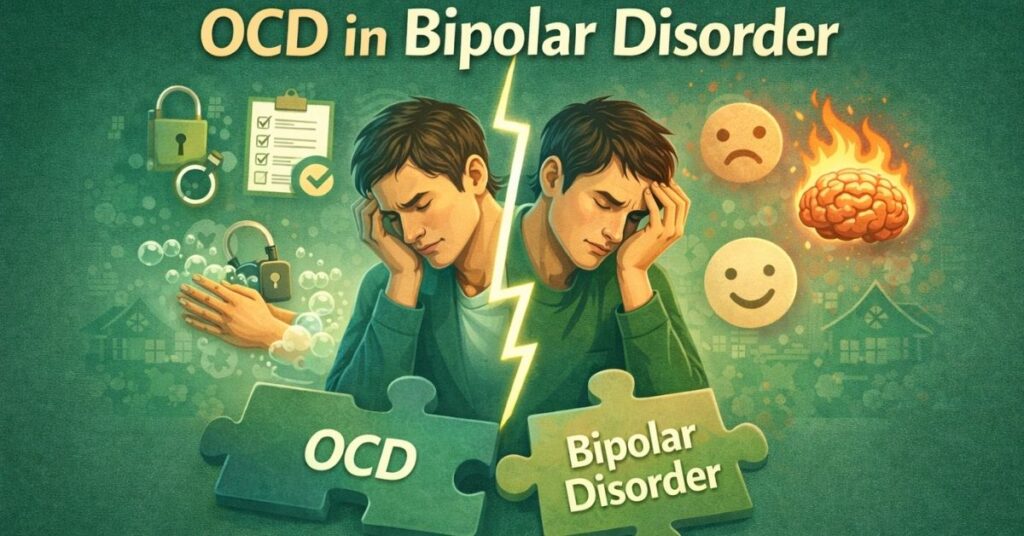
Treating OCD in bipolar disorder requires a careful approach. It involves managing both conditions simultaneously.
OCD, or Obsessive-Compulsive Disorder, often coexists with bipolar disorder. This makes treatment complex but possible. Understanding how these disorders interact is key. Both conditions can affect daily life significantly. Bipolar disorder involves mood swings, while OCD involves persistent thoughts and behaviors.
Together, they can be overwhelming. Effective treatment includes medication, therapy, and lifestyle changes. Each person’s experience is unique, so personalized care is vital. In this blog, we’ll explore practical steps to manage OCD in the context of bipolar disorder. This guide aims to provide clear, actionable advice for those seeking relief. Let’s delve into how you can find balance and improve your quality of life.
Recognizing Ocd In Bipolar Disorder
Recognizing OCD in Bipolar Disorder can be challenging due to overlapping symptoms. Both conditions can affect a person’s thoughts, emotions, and behaviors. Identifying the signs of OCD within the context of Bipolar Disorder is crucial for effective treatment. This section will highlight common symptoms and the impact on daily life.

Common Symptoms
People with OCD in Bipolar Disorder may experience obsessive thoughts. These thoughts are unwanted and persistent. They often cause significant anxiety. Compulsions are repetitive behaviors or mental acts. These are performed to reduce anxiety or prevent a feared event. Common compulsions include checking, counting, or washing. In Bipolar Disorder, mood swings can amplify these symptoms. During manic phases, compulsions can become more intense. During depressive phases, obsessions can worsen.
Impact On Daily Life
OCD in Bipolar Disorder can disrupt daily routines. The obsessions and compulsions take up a lot of time. This can interfere with work or school. Relationships may also suffer. The constant anxiety and repetitive behaviors can be hard for loved ones. People may avoid social situations to manage their symptoms. This isolation can lead to feelings of loneliness and depression. It is important to recognize these impacts to seek appropriate help.
Diagnosis Process
Understanding the diagnosis process for OCD in Bipolar Disorder is crucial. It ensures accurate treatment and management. This process involves multiple steps. Each step helps in identifying the right condition. Let’s delve into the key aspects of the diagnosis process.
Initial Assessment
The initial assessment involves a thorough clinical interview. Doctors gather detailed history about symptoms, duration, and impact. They ask about mood changes, thought patterns, and behaviors. Family history is also discussed. This helps in understanding the genetic factors involved.
Doctors might use standardized questionnaires. These help in evaluating the severity of OCD and Bipolar Disorder symptoms. The initial assessment is the foundation. It guides the next steps in the diagnosis process.
Differential Diagnosis
Differential diagnosis is essential. It differentiates between OCD and Bipolar Disorder symptoms. Both conditions can have overlapping symptoms. This makes it challenging to diagnose accurately.
A table can summarize the key differences:
| OCD Symptoms | Bipolar Disorder Symptoms |
|---|---|
| Obsessive thoughts | Mood swings |
| Compulsive behaviors | Manic episodes |
| Anxiety | Depressive episodes |
Clinicians use various tools. They include psychological tests and brain imaging techniques. These tools help in distinguishing the two disorders. Accurate differential diagnosis leads to effective treatment plans.
In summary, the diagnosis process involves a detailed initial assessment and differential diagnosis. Understanding these steps is vital for proper treatment.
Medication Options
Finding the right medication options is crucial for managing OCD in Bipolar Disorder. Different medications help stabilize mood swings and control obsessive-compulsive behaviors. Here are some effective options to consider.
Mood Stabilizers
Mood stabilizers play a key role in treating Bipolar Disorder. They help regulate mood swings and prevent manic or depressive episodes. Common mood stabilizers include:
- Lithium
- Valproate
- Lamotrigine
- Carbamazepine
These medications can reduce the frequency and severity of mood episodes. Always consult a healthcare provider before starting any new medication.
Ssris And Antipsychotics
Selective Serotonin Reuptake Inhibitors (SSRIs) are often used to treat OCD symptoms. They help increase serotonin levels in the brain, which can reduce obsessive-compulsive behaviors. Common SSRIs include:
- Fluoxetine
- Sertraline
- Paroxetine
- Citalopram
Combining SSRIs with antipsychotic medications can also be effective. Antipsychotics help manage severe manic or depressive episodes. Common antipsychotics include:
- Risperidone
- Olanzapine
- Quetiapine
- Aripiprazole
Consult a healthcare provider to find the best combination for your needs. Each person’s response to medication can vary.
Cognitive Behavioral Therapy (cbt)
Cognitive Behavioral Therapy (CBT) is a highly effective treatment for OCD in bipolar disorder. It helps individuals understand and change their thought patterns and behaviors. CBT focuses on the present and teaches skills to deal with stressful situations. This therapy can significantly reduce symptoms and improve quality of life.

Exposure And Response Prevention
Exposure and Response Prevention (ERP) is a key part of CBT. It involves gradually exposing a person to their fears. The goal is to reduce the anxiety that these fears cause. This is done in a controlled and safe environment.
For example, if someone is afraid of germs, they might touch a doorknob and then avoid washing their hands. Over time, this can help them realize that their fear is unfounded. ERP can be challenging, but it is very effective in reducing OCD symptoms.
Cognitive Restructuring
Cognitive Restructuring helps individuals identify and challenge negative thought patterns. This is another crucial component of CBT. It involves recognizing irrational beliefs and replacing them with more realistic ones.
For instance, a person might believe that making a mistake will lead to disaster. Cognitive restructuring helps them see that mistakes are a normal part of life. By changing these thoughts, individuals can reduce their anxiety and improve their mood.
| Technique | Description |
|---|---|
| Exposure and Response Prevention (ERP) | Gradual exposure to fears to reduce anxiety. |
| Cognitive Restructuring | Identifying and challenging negative thoughts. |
Both ERP and cognitive restructuring are powerful tools in treating OCD within bipolar disorder. They help manage symptoms and improve overall mental health. With consistent practice, these techniques can lead to significant improvement.
Lifestyle Changes
Living with OCD in bipolar disorder can be challenging. Making lifestyle changes can help manage symptoms and improve overall well-being. Focusing on diet, nutrition, exercise, and physical activity can make a significant difference.
Diet And Nutrition
Eating a balanced diet supports mental health. Include fruits, vegetables, whole grains, and lean proteins in your meals. Avoid processed foods high in sugar and unhealthy fats. These can trigger mood swings and worsen OCD symptoms. Drinking enough water each day keeps the body hydrated and functioning well. Some studies suggest omega-3 fatty acids can help stabilize moods. Foods like salmon, flaxseed, and walnuts are good sources.
Exercise And Physical Activity
Regular physical activity benefits both mind and body. Exercise releases endorphins, which improve mood and reduce anxiety. Aim for at least 30 minutes of moderate exercise most days of the week. Activities like walking, cycling, or swimming are excellent choices. Yoga and tai chi can also be beneficial. They promote relaxation and mindfulness. Finding an activity you enjoy makes it easier to stick with a routine.
Support Systems
Dealing with OCD in Bipolar Disorder is challenging. Effective support systems play a crucial role in management. These systems provide emotional and practical help. Let’s explore key support systems that aid in treating OCD within bipolar disorder.
Family Involvement
Family members are often the first line of support. Their involvement can make a significant difference. Here are some ways family can help:
- Providing emotional support and understanding
- Helping with daily routines and tasks
- Encouraging adherence to treatment plans
- Monitoring symptoms and progress
Families should educate themselves about both disorders. Understanding the conditions helps in offering better support.
Support Groups
Support groups offer a sense of community. They connect people facing similar challenges. Being part of a support group has several benefits:
- Sharing experiences and tips
- Reducing feelings of isolation
- Gaining insights from others
- Accessing resources and information
- Support groups can be found in-person or online. They offer a safe space to talk openly.
Coping Strategies
Living with both Obsessive-Compulsive Disorder (OCD) and Bipolar Disorder can be challenging. Effective coping strategies are crucial. These strategies can help manage symptoms and improve quality of life. Here are some practical methods to consider.
Mindfulness Techniques
Mindfulness can reduce OCD and Bipolar Disorder symptoms. Practicing mindfulness helps stay present. Focus on the moment, not on intrusive thoughts. Simple breathing exercises can calm the mind. Guided meditations can also be beneficial.
Try mindfulness apps or online resources. They offer easy-to-follow exercises. Regular practice can lead to better mental clarity. It also reduces anxiety and stress levels.
Stress Management
Stress can worsen OCD and Bipolar symptoms. Effective stress management is key. Physical exercise is a great stress reliever. Aim for at least 30 minutes a day. It releases endorphins, which improve mood.
Healthy eating also plays a role. A balanced diet supports overall mental health. Avoid excessive caffeine and sugar. These can increase anxiety and mood swings.
Sleep is equally important. Aim for 7-9 hours per night. A regular sleep schedule can stabilize moods. It also reduces the risk of manic episodes.
Monitoring Progress
Monitoring progress is key in treating OCD in bipolar disorder. It involves regular evaluations and adjustments to the treatment plan. This helps in achieving better control over symptoms and improving overall well-being. Effective monitoring ensures that any changes in the condition are promptly addressed.
Regular Check-ins
Regular check-ins with healthcare providers are essential. These sessions help in tracking symptoms and their severity. Patients can discuss any new symptoms or side effects. This allows for timely interventions and modifications to the treatment plan. Consistent communication with the healthcare team builds trust and ensures continuous support.
Adjusting Treatment Plans
Treatment plans may need adjustments over time. Adjustments are based on the patient’s progress and any new challenges. This might include changes in medication or therapy approaches. Flexibility in the treatment plan is crucial. It ensures that the patient receives the most effective care for their current needs.
Frequently Asked Questions
- What Are The Symptoms Of Ocd In Bipolar Disorder?
Symptoms can include repetitive thoughts, compulsive actions, mood swings, and anxiety. These can worsen during manic or depressive episodes. - Can Ocd And Bipolar Disorder Be Treated Together?
Yes, both can be treated together. Therapy, medication, and lifestyle changes help manage both conditions effectively. - What Medications Are Used For Ocd In Bipolar Disorder?
Medications like mood stabilizers, SSRIs, and antipsychotics are often prescribed. Consult a doctor for a personalized treatment plan. - How Does Therapy Help With Ocd In Bipolar Disorder?
Therapy helps by teaching coping strategies, reducing anxiety, and managing symptoms. Cognitive-behavioral therapy (CBT) is particularly effective.
Conclusion
Treating OCD in bipolar disorder requires a balanced approach. Understanding both conditions is crucial. Seek professional help for personalized treatment plans. Medication and therapy often work best together. Healthy lifestyle choices support mental health. Stay consistent with treatment. Patience and persistence lead to progress.
Support from loved ones can make a big difference. Remember, managing these disorders is possible. Focus on small, daily improvements. Celebrate each step forward. You’re not alone in this journey.