

Homework can impact students’ mental health significantly. It can be positive or negative.
Many Homework Affect students feel overwhelmed by homework. This stress can affect their well-being. Balancing schoolwork with personal life is hard. Too much homework can cause anxiety and depression. On the other hand, homework can also help students learn better. It teaches discipline and time management.
But, finding the right balance is key. Understanding how homework affects mental health is important. We need to ensure that it helps, not harms, students. This blog will explore the effects of homework on mental health. Let’s dive into how it homework Affects students and what can be done to improve the situation.
Impact On Stress Levels
Homework can greatly affect students’ stress levels. Many students feel overwhelmed by the amount of work. This can lead to high levels of stress. Understanding the specific impacts on stress can help us address this issue better.
Increased Anxiety
Many students experience increased anxiety due to homework. They may worry about meeting deadlines. They might fear not understanding the material. This anxiety can affect their overall mental health. It can also impact their performance in other areas of life.
Pressure To Perform
Students often feel a strong pressure to perform well. They want to get good grades. Parents and teachers expect high performance. This pressure can be overwhelming. It can make students feel like they are never doing enough. This constant pressure can lead to burnout.
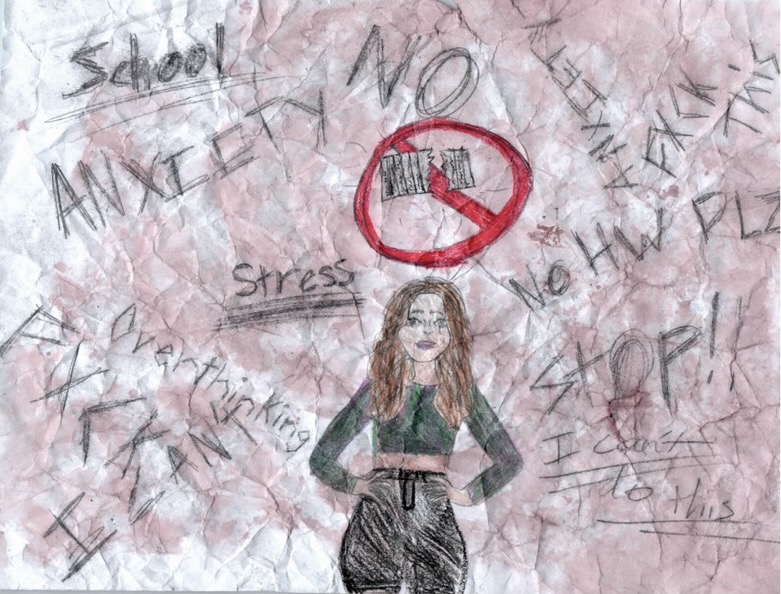
Credit: www.thepearlpost.com
Sleep Disruption
Homework can greatly disrupt students’ sleep patterns. The need to complete assignments often leads to late nights. This affects their mental health and overall well-being.
Late-night Study Sessions
Many students stay up late to finish homework. These late-night study sessions disrupt their natural sleep cycle. They find it hard to wake up the next day. Sleep deprivation leads to tiredness and irritability. The cycle of late-night studies can quickly become a habit. This makes it hard for students to get the rest they need. It impacts their ability to concentrate and perform well in class.
Insufficient Rest
Insufficient rest is a common problem for students with heavy homework loads. Lack of sleep affects their mental clarity. It makes it difficult for them to focus and learn effectively. Students who do not get enough sleep often feel stressed. This stress can lead to anxiety and depression. Their overall mental health suffers, leading to poor academic performance. Getting adequate rest is crucial for students. Proper sleep helps them stay alert and engaged in their studies. It also promotes a healthy mind and body.
Family Dynamics
Family dynamics play a significant role in a student’s experience with homework. The involvement of parents and the overall atmosphere at home can either support or hinder a child’s academic progress. This section explores how family dynamics, especially parental involvement and conflicts over homework, impact a student’s mental health.
Parental Involvement
Parental involvement can be a double-edged sword. On one hand, supportive parents can help students understand difficult concepts. They provide a safe space to ask questions and encourage a positive attitude towards learning. This support can boost a child’s confidence and reduce stress. On the other hand, excessive involvement can become overwhelming for students. Parents who hover too much can add pressure. This can lead to anxiety and a feeling of inadequacy. Students might feel they are not meeting their parents’ expectations, affecting their self-esteem.
Conflicts Over Homework
Conflicts over homework can strain family relationships. Arguments about completing assignments can create a tense environment. This tension can make students dread homework time, increasing their stress levels. These conflicts can also impact a student’s mental health. Constant arguments can lead to feelings of frustration and helplessness. They might feel caught between their academic responsibilities and maintaining peace at home. Understanding family dynamics is crucial for addressing the mental health challenges students face due to homework. A balanced approach can help create a supportive and stress-free environment for students.
Time Management Challenges
Homework can place a lot of pressure on students. It requires them to manage their time well. Many students struggle with this. They have to balance schoolwork with other activities. This creates a lot of stress and affects their mental health.
Balancing Extracurriculars
Extracurricular activities are important for personal growth. Students participate in sports, music, clubs, and more. These activities help them develop new skills. But they take up a lot of time. Balancing these with homework can be difficult. Students may feel overwhelmed. A survey shows that students spend about 3 hours on homework each night. They spend another 2 hours on extracurricular activities. This leaves little time for rest or relaxation. The lack of downtime can lead to burnout.
| Activity | Average Time Spent (Hours) |
|---|---|
| Homework | 3 |
| Extracurriculars | 2 |
| Free Time | 1 |
Procrastination Issues
Many students struggle with procrastination. They put off their homework until the last minute. This creates unnecessary stress. Procrastination can lead to poor performance. Students rush through their assignments. They do not spend enough time on them. There are several reasons for procrastination:
- Lack of motivation
- Fear of failure
- Poor time management skills
Procrastination affects mental health. It leads to anxiety and low self-esteem. Students feel guilty for not starting their work earlier. This creates a cycle of stress and poor performance. To combat this, students need to develop good habits. They should set aside specific times for homework. They should also break their assignments into smaller tasks. This makes the work less overwhelming.
Social Life Impact
Homework can take a toll on students’ social lives. It often reduces the time they can spend with friends and family. This can lead to feelings of isolation and loneliness, impacting their overall mental well-being.
Reduced Peer Interaction
Many students spend long hours on homework. This can cut into the time they could spend with peers. Less time with friends means fewer opportunities to build social skills. Students may miss out on important social activities and bonding experiences. Here are some impacts of reduced peer interaction:
- Decreased social skills development
- Less support from friends
- Fewer shared experiences
Isolation Feelings
Spending too much time on homework can make students feel isolated. They may feel like they are missing out on social events. This can lead to feelings of loneliness and sadness. Below is a table showing the effects of isolation:
| Effect | Description |
|---|---|
| Loneliness | Feeling alone and disconnected |
| Sadness | Feeling down due to lack of social interaction |
| Anxiety | Worrying about missed social opportunities |
Overall, too much homework can harm students’ social lives. It reduces peer interaction and increases feelings of isolation. It is important to find a balance to maintain good mental health.
Academic Pressure
Academic pressure can significantly impact students’ mental health. With the constant demand to perform well, many students feel overwhelmed. Homework plays a crucial role in this pressure. It often leads to stress and anxiety, affecting students’ overall well-being.
High Expectations
Parents and teachers often set high expectations for students. They believe that good grades are the key to success. As a result, students feel the need to excel in every subject. This pressure can become too much. Students may spend hours on homework, trying to meet these expectations. This can lead to burnout and mental exhaustion.
Fear Of Failure
The fear of failure is another significant factor. Many students worry about not meeting the set standards. They fear disappointing their parents and teachers. This fear can cause severe anxiety. It can also lead to a lack of confidence. Students might start doubting their abilities. This constant worry can negatively affect their mental health.
Coping Mechanisms
Homework can be stressful. It’s common for students to feel overwhelmed. How they cope with this stress matters. Let’s explore some coping mechanisms.
Healthy Stress Relief
Exercise is a great stress reliever. It boosts mood and energy. Even a short walk can help. Deep breathing exercises can also be useful. They calm the mind and body. Another good habit is setting a routine. A clear schedule helps manage time better. Students should take regular breaks. This prevents burnout. Talking to someone can also help. Sharing feelings with friends or family can reduce stress.
Unhealthy Habits
Some students turn to bad habits. They may skip sleep to finish homework. This leads to more stress. It can also harm their health. Relying on caffeine is another problem. It gives short-term energy but causes long-term issues. Procrastination is also common. It creates a cycle of stress. Students delay work, then rush to complete it. This can affect their mental health. Avoiding these habits is crucial. Healthy coping mechanisms should be the focus.
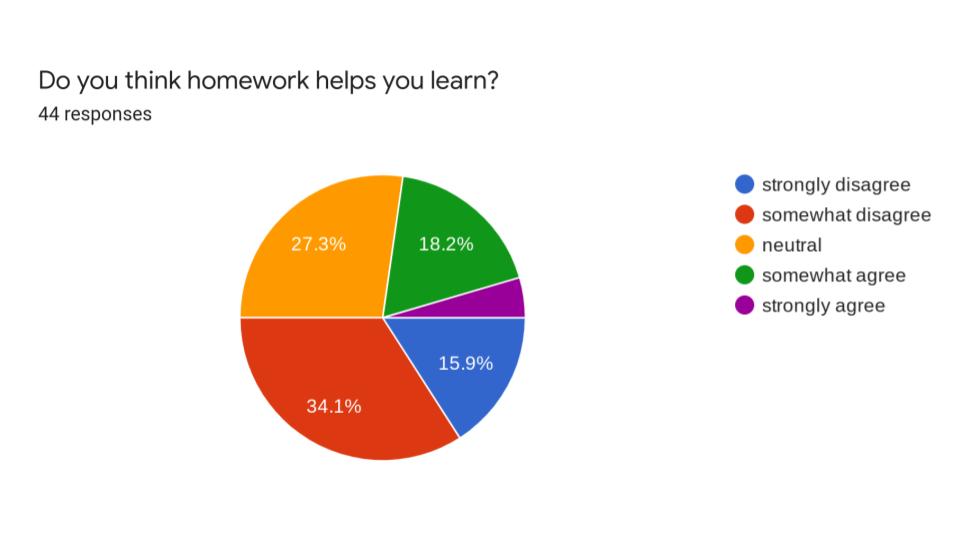
Credit: www.westlionsroar.com
Long-term Effects
Homework is a common educational tool, but its long-term effects on students’ mental health can be serious. Over time, constant homework can lead to chronic stress and burnout. These issues can homework affect students’ overall well-being and academic success.
Chronic Stress
Chronic stress can develop when students face a high homework load. This stress can cause anxiety and depression. It can also lead to physical issues like headaches and sleep problems. Students under constant stress may struggle to concentrate and learn effectively.
Burnout Risks
Burnout is a state of emotional, physical, and mental exhaustion. It often results from prolonged stress. Homework overload can push students to this point. Burnout can make students lose interest in school. They may feel overwhelmed and unable to keep up with their work. Burnout can also affect homework and students’ social lives. They may withdraw from friends and family. This isolation can worsen feelings of stress and anxiety. Long-term burnout can have lasting effects on a student’s mental health.
Conclusion
Homework can impact students’ mental health significantly. Balancing homework and relaxation is crucial. Too much homework may cause stress and anxiety. Parents and teachers should monitor workloads. Encouraging breaks can help. Students need time for hobbies and rest. This balance fosters better mental health.
Schools should aim for reasonable homework levels. Happy students learn better. Let’s prioritize their well-being.
Frequently Asked Questions
How Does Homework Impact Student Stress Levels?
Homework can increase student stress. It can cause anxiety, especially with tight deadlines.
Can Too Much Homework Harm Mental Health?
Yes, too much homework can lead to burnout. It can cause sleep issues and anxiety.
Does Homework Affect Sleep Patterns In Students?
Yes, excessive homework can disrupt sleep. It often leads to late nights and less rest.
How Can Homework Influence Student Mood?
Homework can affect mood negatively. It can create frustration and lower overall happiness.
Are There Any Benefits Of Homework For Mental Health?
In moderation, homework can build discipline. It can also help with time management and responsibility.