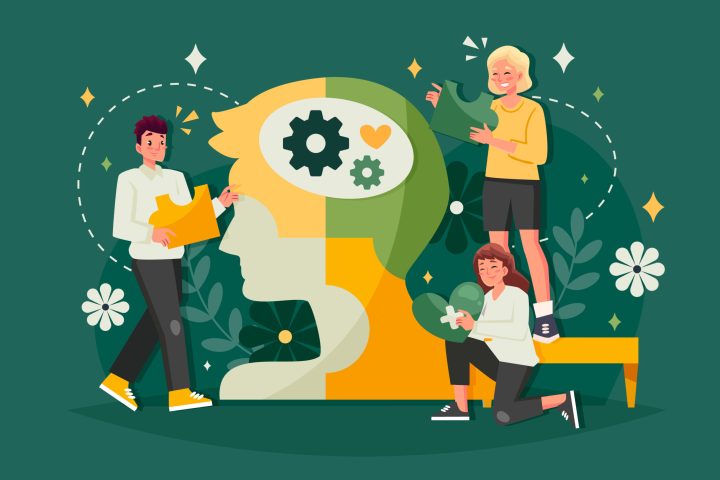
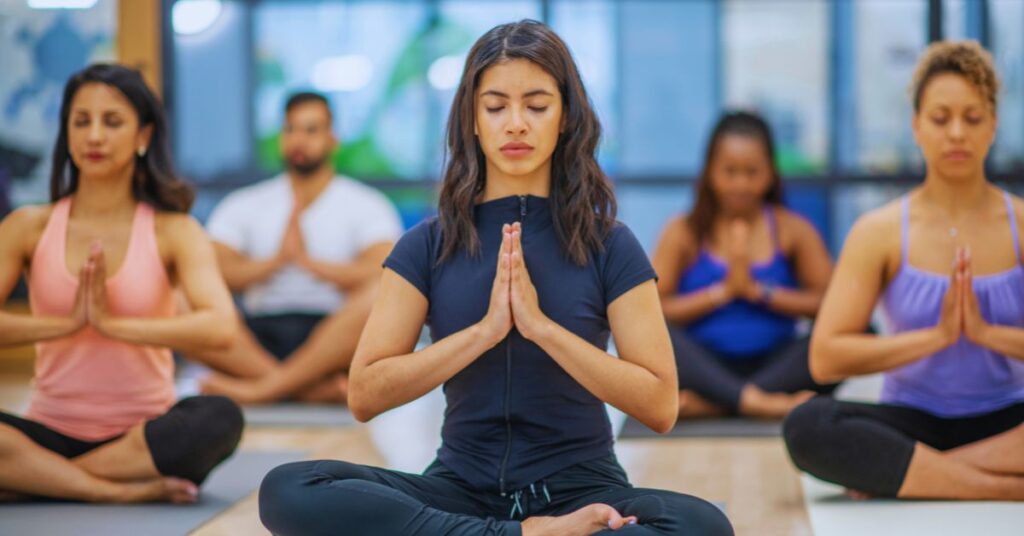
Mindfulness helps people stay present and calm. Group activities can make mindfulness more enjoyable.
Mindfulness has grown in popularity for good reasons. It helps reduce stress, improves focus, and boosts overall well-being. Practicing mindfulness in a group setting can enhance these benefits. It creates a sense of community and support, which can be very motivating.
Group activities for mindfulness offer a chance to share experiences and learn from others. They also make the practice more engaging and fun. Whether you’re new to mindfulness or have been practicing for years, group activities can provide a fresh perspective. So, let’s explore how joining a mindfulness group can be beneficial and enjoyable.
Benefits Of Group Mindfulness
Group mindfulness activities offer many benefits. Practicing mindfulness with others can enhance focus and reduce stress. This makes it easier for everyone to experience the positive effects of mindfulness.

Enhanced Focus
Group mindfulness helps improve focus. Being with others encourages better concentration. Participants feel a sense of community. This shared experience makes it easier to stay present.
When people practice together, they are less likely to get distracted. They can support each other in staying on track. This leads to a deeper, more meaningful mindfulness practice.
| Individual Mindfulness | Group Mindfulness |
|---|---|
| Easier to get distracted | Encourages better concentration |
| Less accountability | Support from others |
Reduced Stress
Practicing mindfulness in a group can reduce stress. Sharing the experience with others can create a sense of belonging. This helps to alleviate feelings of isolation.
Group mindfulness can also provide emotional support. Participants may feel more relaxed knowing they are not alone. This shared experience can lead to a decrease in overall stress levels.
- Creates a sense of community
- Provides emotional support
- Alleviates feelings of isolation
Group mindfulness activities can also help develop empathy. People learn to understand others’ experiences. This can lead to stronger social connections and lower stress.
Breathwork Sessions
Breathwork sessions are powerful group activities. They help participants achieve mindfulness. Focusing on the breath can reduce stress and anxiety. These sessions also promote relaxation and mental clarity. The following activities are excellent for enhancing mindfulness through breathwork.

Guided Breathing
Guided breathing exercises can be transformative. A facilitator leads the group through specific breathing patterns. This guidance helps participants stay focused. It also ensures they breathe correctly.
Steps for a guided breathing session:
- Find a comfortable position.
- Close your eyes.
- Inhale deeply through the nose for four counts.
- Hold the breath for four counts.
- Exhale slowly through the mouth for six counts.
- Repeat for several minutes.
Guided breathing calms the mind. It also fosters a sense of unity in the group.
Partner Breath Synchronization
Partner breath synchronization is another effective technique. Partners sit facing each other. They aim to synchronize their breaths.
Benefits of partner breath synchronization include:
- Enhanced connection between partners.
- Improved empathy and understanding.
- Deepened relaxation and mindfulness.
Steps for partner breath synchronization:
- Sit comfortably facing your partner.
- Maintain eye contact.
- Begin by inhaling deeply together.
- Exhale at the same pace.
- Continue this pattern for several minutes.
This activity builds a strong sense of connection. It also promotes a calm, focused mind.
Mindful Movement
Mindful movement involves gentle activities that help focus the mind and body. These activities promote awareness of the present moment. They also reduce stress and enhance overall well-being. Below are some group activities for mindful movement.
Yoga
Yoga is a popular mindful movement practice. It combines physical postures, breathing exercises, and meditation. Practicing yoga in a group can create a sense of community and support.
- Begin with basic poses like Child’s Pose and Mountain Pose.
- Focus on deep, steady breathing throughout the session.
- Encourage participants to move at their own pace.
Group yoga sessions can be held in various settings, such as parks or community centers. They can be adapted to suit different skill levels. This inclusivity makes yoga an excellent choice for group mindfulness.
Walking Meditation
Walking meditation is another effective mindful movement practice. It involves walking slowly and paying attention to each step. This practice helps ground participants in the present moment.
- Begin with a short briefing on the purpose of the walk.
- Encourage participants to walk at a natural pace.
- Ask them to focus on the sensation of their feet touching the ground.
Participants can also pay attention to their surroundings. This might include noticing the sound of birds or the rustling of leaves. Walking meditation can be practiced in parks, gardens, or even on quiet streets. This practice helps cultivate a deep sense of calm and presence.
Creative Expression
Creative expression offers a unique way to practice mindfulness. Engaging in art and music can help you focus your mind. It allows you to explore your thoughts and feelings. This practice can lead to greater self-awareness and peace. Below are some group activities that use creative expression for mindfulness.
Group Art Projects
Group art projects encourage teamwork and creativity. Each person contributes their unique touch. This collaboration fosters a sense of community. You can paint a mural together. Try creating a group collage. Each participant adds their piece, reflecting their feelings. The process becomes a shared journey of self-discovery. The focus remains on the act of creation, not the end result.
Mindful Music Making
Mindful music making brings people together through sound. Start with simple instruments like drums or shakers. Play music that reflects your mood. Listen to each other and create a rhythm. This practice promotes active listening and emotional expression. Singing together can also be powerful. It encourages deep breathing and relaxation. The shared experience can deepen connections among group members.
Shared Silence
Group activities for mindfulness often emphasize shared silence. This unique practice fosters deep connections without words. Shared silence can be powerful. It allows individuals to connect on a deeper level. It encourages mindfulness and inner peace.
Silent Retreats
Silent retreats offer a break from the noise of daily life. Participants spend extended periods in silence. This helps them focus on inner thoughts. It also promotes a sense of calm. Silence can be healing. It provides space for reflection and self-discovery.
During these retreats, the group engages in mindful activities. These might include walking, eating, and meditating. All in complete silence. This shared experience can strengthen bonds. It also enhances individual mindfulness.
Group Meditations
Group meditations are another form of shared silence. Participants sit together in a quiet space. They focus on their breath. Or a simple mantra. This practice fosters a sense of unity. It also deepens personal meditation practices.
Shared silence in group meditations can be very powerful. It allows individuals to feel connected. Even without speaking. It also creates a peaceful environment. This helps each person to meditate more effectively. Group meditations can be done in various settings. They can be part of a regular mindfulness practice. Or a special event.
Mindful Listening
Mindful listening is a powerful group activity. It helps participants focus and connect deeply. By practicing mindful listening, individuals can improve their communication skills and empathy. This activity requires active engagement and complete presence. Let’s explore some effective ways to practice mindful listening in groups.
Listening Circles
Listening circles are a structured way to practice mindful listening. Participants sit in a circle and take turns speaking. Only one person speaks at a time. The others listen without interrupting. This helps everyone feel heard and respected. It also fosters a sense of community and understanding.
In a listening circle, set a time limit for each speaker. This ensures everyone gets a chance to share. Encourage speakers to share their thoughts and feelings openly. Listeners should focus on the speaker’s words and emotions. Avoid thinking about what to say next. Just listen and be present.
Partner Sharing
Partner sharing is another effective mindful listening exercise. In this activity, participants pair up. One person speaks while the other listens. After a set time, they switch roles. This allows both partners to practice speaking and listening mindfully.
To begin, set a timer for three minutes. The first partner shares their thoughts or a personal story. The listener pays full attention without interrupting. After three minutes, switch roles. This exercise builds trust and deepens connections. It also enhances listening skills and empathy.
Nature-based Activities
Engaging in nature-based activities can significantly boost mindfulness. Connecting with nature helps calm the mind and improves overall well-being. Here are some effective group activities that promote mindfulness through nature.
Outdoor Meditations
Practicing meditation outdoors can deepen your mindfulness practice. Fresh air and natural surroundings enhance the experience. Follow these steps for a successful outdoor meditation session:
- Choose a Quiet Spot: Find a calm place in a park or garden.
- Set a Timer: Decide on the duration of your meditation.
- Focus on Breath: Pay attention to your breathing patterns.
- Engage Your Senses: Notice the sounds, smells, and sights around you.
- Reflect: After meditating, share your feelings with the group.
Eco-therapy Exercises
Eco-therapy exercises involve interacting with nature to promote mental health. These activities help reduce stress and enhance mindfulness. Here are some popular eco-therapy exercises:
- Forest Bathing: Walk slowly in a forest, immersing yourself in the environment.
- Gardening: Planting and nurturing plants can be very therapeutic.
- Nature Journaling: Write about your observations and feelings while in nature.
- Nature Art: Create art using natural materials like leaves, stones, and flowers.
- Animal Interaction: Spend time with animals in their natural habitat.
Engaging in these activities as a group can foster a deeper connection with nature and each other. Incorporating these practices into your routine can lead to lasting benefits for mental health and mindfulness.
Mindfulness Games
Mindfulness games can transform group activities into moments of calm and focus. These games help participants stay present and engaged, creating a sense of community. They are perfect for both small and large groups. These activities also enhance mental clarity and emotional well-being.
Mindful Puzzles
Mindful puzzles offer a fun way to practice mindfulness. Participants focus on solving the puzzle, staying in the moment. This activity encourages teamwork and communication. Choose puzzles with calming images or themes. They help reduce stress and boost concentration.
Puzzle-solving also promotes patience and perseverance. The sense of achievement upon completion is rewarding. It’s a simple yet effective method to practice mindfulness in groups.
Group Reflection Games
Group reflection games involve sharing thoughts and experiences. These games promote listening and empathy. One popular game is the “Gratitude Circle.” Each participant shares something they are grateful for. This fosters a positive atmosphere and strengthens bonds.
Another game is “Rose, Thorn, Bud.” Participants share a positive experience (Rose), a challenge (Thorn), and something they look forward to (Bud). This game encourages open communication and reflection.
These games help participants understand each other better. They create a supportive environment where everyone feels heard.
Frequently Asked Questions
- What Are Some Easy Group Mindfulness Activities?
Simple group activities include guided meditation, deep breathing exercises, and mindful walking. These require no special equipment. - How Does Group Mindfulness Benefit Mental Health?
Group mindfulness reduces stress, improves focus, and strengthens social connections. It supports emotional well-being. - Can Group Mindfulness Improve Team Performance?
Yes, it fosters better communication, reduces conflicts, and enhances overall team cohesion. Teams work together more effectively. - What Is Mindful Listening In Group Activities?
Mindful listening involves fully focusing on the speaker without interrupting. It encourages empathy and understanding in groups.
Conclusion
Mindfulness group activities bring people together. They help create a sense of community. These activities also reduce stress and improve mental health. Everyone can benefit, regardless of age. Try incorporating these activities into your routine. It will promote relaxation and connection.
Remember, mindfulness is a journey. Take it step by step. Share these activities with friends and family. Enjoy the positive changes in your life.