
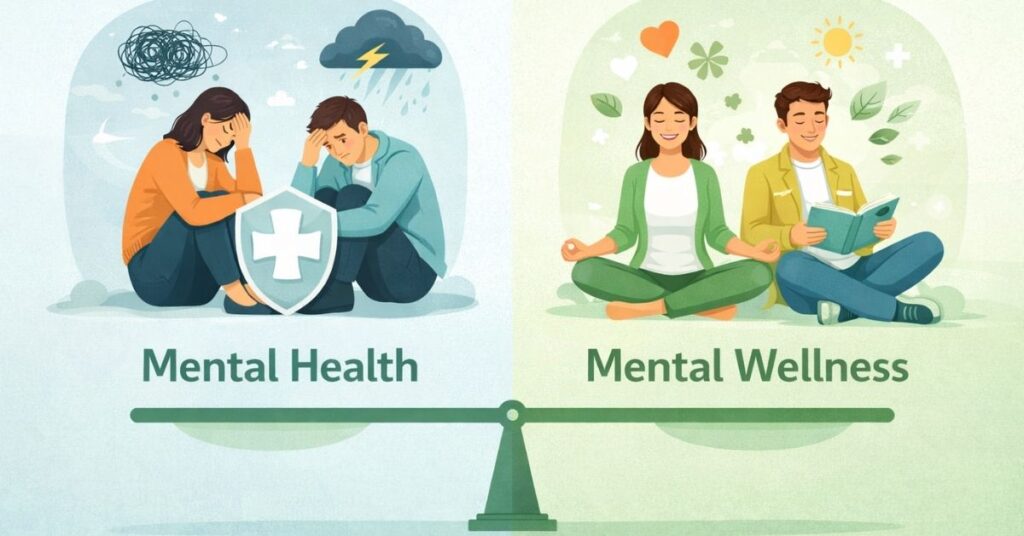
Mental health and mental wellness are terms often used interchangeably. However, they have distinct meanings.
Understanding these differences can help in better managing your well-being. Mental health refers to the state of your psychological and emotional condition. It involves how you think, feel, and act. It can affect your daily life, relationships, and even your physical health.
On the other hand, mental wellness is the active process of maintaining and improving your mental health. It involves practices that help you achieve a balanced and fulfilling life. By recognizing the difference between these two concepts, you can take more effective steps to nurture both. We will explore the distinctions and why they matter.
Mental Health Basics
Understanding the difference between mental health and mental wellness is crucial. This knowledge helps in addressing issues effectively. Let’s begin with the basics of mental health.

Key Concepts
Mental health is about our emotional, psychological, and social well-being. It affects how we think, feel, and act. It also determines how we handle stress, relate to others, and make choices.
Good mental health is more than just the absence of mental disorders. It involves being able to handle life’s challenges and enjoy life. Some key concepts include:
- Emotional stability: Managing emotions effectively.
- Psychological resilience: Bouncing back from adversity.
- Social connections: Building healthy relationships.
Common Misconceptions
There are many misconceptions about mental health. These misunderstandings can prevent people from seeking help.
Here are some common misconceptions:
| Misconception | Reality |
|---|---|
| Mental health problems are rare. | They are common and affect many people. |
| Only weak people have mental health issues. | Mental health problems can affect anyone. |
| Mental health issues are permanent. | Many people recover with proper care. |
Understanding these misconceptions is important. It helps in reducing stigma and encouraging people to seek help.
Defining Mental Wellness
Mental wellness is a state of well-being. It involves managing emotions, thoughts, and behaviors effectively. People with good mental wellness feel balanced and content. They cope with stress in healthy ways. Understanding mental wellness helps improve overall quality of life.
Core Principles
Several core principles define mental wellness. These principles form the foundation of a healthy mind.
- Self-Awareness: Knowing your emotions and how they affect you.
- Resilience: Ability to bounce back from challenges.
- Mindfulness: Staying present and focused.
- Healthy Relationships: Building supportive connections with others.
- Purpose: Having goals and a sense of direction.
Role In Daily Life
Mental wellness plays a vital role in daily life. It affects how we think, feel, and act. Here are some ways mental wellness influences our everyday activities:
- Stress Management: Better mental wellness means handling stress more effectively.
- Decision Making: Clear thinking leads to better choices.
- Productivity: A healthy mind boosts focus and efficiency.
- Relationships: Good mental wellness fosters positive interactions.
- Physical Health: Mental wellness contributes to overall well-being.
Understanding the difference between mental health and mental wellness is essential. Mental wellness emphasizes proactive measures. It focuses on maintaining a healthy state of mind. Embracing mental wellness can lead to a happier, more fulfilling life.
Differences Between Mental Health And Mental Wellness
Understanding the difference between mental health and mental wellness is crucial. Though they are often used interchangeably, they have distinct meanings. This section will explore these differences, focusing on foundational distinctions and their impact on individuals.
Foundational Distinctions
Mental health refers to the state of our psychological well-being. It includes our emotional, psychological, and social well-being. Mental health affects how we think, feel, and act.
Mental wellness goes beyond just mental health. It involves actively pursuing a balanced and fulfilling life. It is about maintaining a positive state of mind and overall well-being.
While mental health can be impacted by external factors like trauma or genetics, mental wellness is more proactive. It focuses on practices that promote a healthy mind.
| Aspect | Mental Health | Mental Wellness |
|---|---|---|
| Definition | State of psychological well-being | Active pursuit of balance and fulfillment |
| Focus | Emotional, psychological, social well-being | Positive state of mind, overall well-being |
| Influence | External factors like trauma, genetics | Proactive practices for a healthy mind |
Impact On Individuals
The impact of focusing on mental health is significant. It helps identify and treat mental disorders. Treatment can include therapy, medication, and lifestyle changes.
Mental wellness impacts individuals by promoting a proactive approach. It encourages habits like regular exercise, mindfulness, and healthy relationships. This helps to maintain a positive mental state.
While mental health deals with existing conditions, mental wellness aims to prevent them. Both are essential for a balanced life.
- Mental health: Addresses existing issues
- Mental wellness: Promotes proactive habits
Both mental health and mental wellness are interconnected. Focusing on one can improve the other. Prioritizing both can lead to a more fulfilling life.
Factors Affecting Mental Health
Mental health is influenced by various factors that determine our psychological well-being. Understanding these factors helps in maintaining good mental health and recognizing potential issues early. Let’s delve into the key elements affecting mental health.

Biological Influences
Biological factors play a significant role in mental health. Genetics can predispose individuals to certain mental health conditions. For instance, if mental health issues run in the family, there might be a higher risk for those conditions.
Brain chemistry also impacts mental health. Neurotransmitters like serotonin and dopamine regulate mood. Imbalances in these chemicals can lead to mental health disorders.
Hormonal changes, especially during puberty, pregnancy, or menopause, can affect mental health too. These changes can cause mood swings, anxiety, or depression.
Lastly, physical health problems, like chronic pain or illnesses, can impact mental well-being. The stress of managing a long-term condition can contribute to mental health issues.
Environmental Factors
Environmental factors greatly influence mental health. Stressful life events, such as losing a job or experiencing a traumatic event, can lead to mental health problems.
Social support is crucial. People with strong social networks are often more resilient. Isolation and loneliness, on the other hand, can increase the risk of depression.
Living conditions matter too. Poor living conditions, such as overcrowded housing or unsafe neighborhoods, can negatively affect mental health. Access to resources like healthcare and education also plays a role.
Early life experiences shape mental health. Childhood trauma or neglect can have lasting effects on psychological well-being. Positive experiences, like a supportive family environment, promote better mental health.
Lastly, cultural factors influence mental health. Societal norms and cultural beliefs can affect how people perceive and deal with mental health issues.
Promoting Mental Wellness
Understanding the difference between mental health and mental wellness is crucial. While mental health refers to the state of our mental functions, mental wellness involves active efforts to enhance our mental state. Promoting mental wellness focuses on creating a balanced and fulfilling life. Here, we explore effective strategies and lifestyle adjustments to promote mental wellness.
Effective Strategies
Several strategies can promote mental wellness. These strategies help build resilience and improve overall well-being.
- Mindfulness Practices: Engage in meditation or deep-breathing exercises. These practices help reduce stress and enhance focus.
- Social Connections: Maintain strong relationships with family and friends. Social support is vital for emotional well-being.
- Professional Support: Seek therapy or counseling. Professionals can provide valuable tools and insights to manage mental wellness.
Lifestyle Adjustments
Adjusting daily habits can significantly impact mental wellness. Simple changes can lead to a healthier mind.
| Activity | Benefit |
|---|---|
| Regular Exercise | Boosts mood and reduces anxiety. |
| Healthy Diet | Provides essential nutrients for brain health. |
| Adequate Sleep | Improves concentration and mood. |
- Establish Routine: A consistent daily schedule can reduce stress and promote stability.
- Limit Screen Time: Excessive screen time can lead to mental fatigue. Take regular breaks from electronic devices.
- Engage in Hobbies: Pursuing hobbies provides a sense of accomplishment and joy.
By incorporating these strategies and adjustments, individuals can actively promote their mental wellness and lead a more balanced life.
Mental Health Disorders
Mental health disorders are conditions that affect your mood, thinking, and behavior. These disorders can disrupt your daily life. They impact how you handle stress, relate to others, and make choices. Understanding the common conditions, their diagnosis, and treatment can help in managing them better.

Common Conditions
Several mental health disorders are prevalent. Anxiety disorders are among the most common. They include generalized anxiety disorder, panic disorder, and social anxiety disorder. Mood disorders such as depression and bipolar disorder also affect many people. Schizophrenia and other psychotic disorders involve distorted thinking and perceptions. Eating disorders like anorexia and bulimia are serious conditions. They involve extreme emotions, attitudes, and behaviors surrounding weight and food.
Diagnosis And Treatment
Diagnosing mental health disorders usually involves a thorough evaluation. This may include a physical exam, lab tests, and a psychological evaluation. Mental health professionals use criteria from the Diagnostic and Statistical Manual of Mental Disorders (DSM-5). Treatment often combines medication and psychotherapy. Medications can help manage symptoms. Psychotherapy helps address the thoughts, feelings, and behaviors that contribute to the disorder. Lifestyle changes such as regular exercise, a healthy diet, and adequate sleep can also support treatment. Support from friends and family is crucial.
Importance Of Mental Wellness
The importance of mental wellness cannot be overstated. It is essential for leading a balanced and fulfilling life. Mental wellness goes beyond the absence of mental illness. It encompasses overall emotional, psychological, and social well-being. Focusing on mental wellness helps you handle stress, relate to others, and make healthy choices.
Benefits For Overall Health
Maintaining mental wellness brings numerous benefits to your overall health. Here are some key advantages:
- Improved mood: Positive mental health can enhance your mood and outlook on life.
- Better relationships: Healthy mental wellness fosters stronger connections with others.
- Increased productivity: When your mind is well, you can focus better and be more productive.
- Enhanced resilience: Mental wellness helps you bounce back from life’s challenges.
- Physical health: Good mental health can lead to better physical health, reducing the risk of chronic diseases.
Preventive Measures
Adopting preventive measures is crucial for maintaining mental wellness. Here are some practical steps:
- Regular exercise: Physical activity boosts endorphins and reduces stress.
- Healthy diet: Nutrient-rich foods support brain function and overall well-being.
- Sleep hygiene: Quality sleep is vital for mental and physical health.
- Mindfulness practices: Techniques like meditation can help manage stress and improve focus.
- Social connections: Spend time with loved ones to build a supportive network.
- Seek professional help: Consult a mental health professional if needed.
By understanding the importance of mental wellness and taking preventive measures, you can live a healthier, happier life.
Seeking Help
Seeking help for mental health and mental wellness can feel overwhelming. Knowing when to ask for assistance is crucial. It’s important to understand the resources available to you. This section aims to guide you on when and where to seek help.
When To Consult A Professional
If you notice persistent sadness, anxiety, or mood swings, it might be time to consult a professional. Struggling with daily tasks or losing interest in activities you once enjoyed are also signs. Physical symptoms like constant fatigue or unexplained aches can be indicators too. Don’t ignore thoughts of self-harm or suicide; seek immediate help.
Available Resources
There are many resources available for mental health support. Therapists and counselors offer one-on-one sessions. Support groups provide a sense of community. Online platforms offer virtual therapy sessions. Hotlines and crisis intervention services are available 24/7. Your primary care doctor can also refer you to a specialist.
Frequently Asked Questions
- What Is Mental Health?
Mental health refers to our emotional, psychological, and social well-being. It affects how we think, feel, and act. It also helps determine how we handle stress, relate to others, and make choices. - How Is Mental Wellness Different?
Mental wellness focuses on maintaining a balanced mental state. It includes proactive measures like mindfulness, exercise, and healthy relationships. Unlike mental health, it emphasizes overall well-being rather than addressing problems. - Why Is Mental Health Important?
Mental health is crucial for overall well-being. It influences our daily living, relationships, and physical health. Poor mental health can lead to problems such as depression and anxiety. - Can Mental Wellness Prevent Mental Health Issues?
Yes, mental wellness practices can help prevent mental health issues. Regular self-care, mindfulness, and healthy habits contribute to mental stability. They build resilience against stress and mental health problems.
Conclusion
Understanding the difference between mental health and mental wellness is crucial. Mental health refers to the state of our mind. Mental wellness focuses on maintaining a balanced and fulfilling life. Both are important for overall well-being. By knowing these terms, we can better support ourselves and others.
Prioritize mental wellness daily for a healthier, happier life. Take small steps to nurture your mental health. Stay informed and seek help when needed. Everyone’s journey to mental wellness is unique. Aim for balance and enjoy life.